

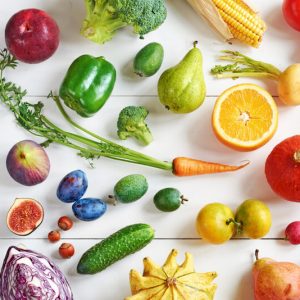
Let’s be real — cancer is scary. Whether it’s touched your life directly or impacted someone you love, the mere word can spark a rush of anxiety. And while there’s no magic food that guarantees immunity, the right foods can seriously tip the odds in your favor.
Decades of research show that a diet rich in plant-based, nutrient-dense foods can help reduce inflammation, support detox pathways, and protect your DNA from damage: all key players in cancer prevention. And while the foods you eat weigh largely on our fight against cancer, how many cancer-fighting foods are you actually eating every day?
In this post, I’ve pulled together the most comprehensive, science-backed list of cancer-fighting foods, including powerhouse staples like broccoli sprouts and berries, as well as lesser-known treasures like soursop, chaga mushroom, and mangosteen. You’ll learn not only what to eat, but also why it works, and how to make it part of your everyday routine.
How Diet Impacts Cancer Risk
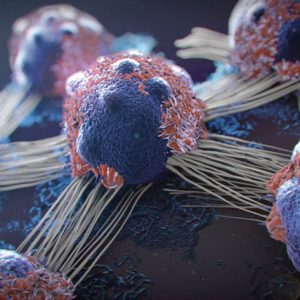
Cancer doesn’t usually show up overnight. It often develops slowly as cells accumulate DNA damage and escape the body’s normal checks and balances. Chronic inflammation, oxidative stress, poor diet, and toxin overload can all fuel this process.
Fortunately, food is one of the most powerful tools we have to fight back.
Certain whole foods are loaded with nutrients and plant compounds that:
- Neutralize harmful free radicals
- Turn on detoxification enzymes
- Reduce inflammation
- Strengthen immune defenses
- Help abnormal cells self-destruct (apoptosis)
A 2019 study in Nutrients found that people who ate the most vegetables and fruits had a significantly reduced risk of multiple cancers, including breast, colorectal, lung, and stomach cancers (1✓)✓ Trusted ResourcePubMed CentralHighly respected database from the National Institutes of HealthRead source. Another major report from the World Cancer Research Fund concluded that at least one-third of cancers are preventable through diet, lifestyle, and weight management.
Crucial Compounds in Cancer-Fighting Foods
Here are some of the heavy-hitting nutrients and phytochemicals you’ll want to load up on:
| Compound | Found In | Benefits |
|---|---|---|
| Sulforaphane | Broccoli sprouts, kale, Brussels sprouts | Boosts detox enzymes, kills cancer cells, protects DNA |
| Curcumin | Turmeric | Blocks tumor growth, reduces inflammation |
| Resveratrol | Grapes, berries | Inhibits cancer spread, protects cell DNA |
| EGCG | Green tea, matcha | Slows cancer cell growth, cuts off blood supply to tumors |
| Ellagic acid | Pomegranate, berries | Antioxidant that inhibits tumor cell proliferation |
| Lignans | Flaxseeds, sesame seeds | Modulate hormones, especially protective in breast and prostate cancer |
| Beta-glucans | Reishi, chaga, turkey tail mushrooms | Strengthen immune response against tumors |
| Xanthones | Mangosteen | Anti-inflammatory and cytotoxic to cancer cells |
| Acetogenins | Soursop | Toxic to cancer cells in lab studies, especially breast and colon cancer |
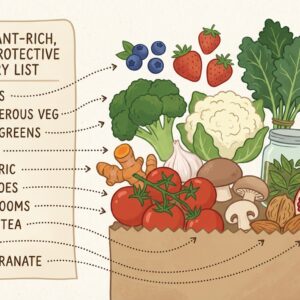
The Ultimate Cancer-Fighting Food List
Each of these foods brings its own unique anti-cancer powers, but together, they’re unstoppable.
1. Cruciferous Vegetables
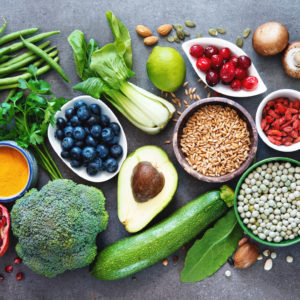
Top picks: Broccoli sprouts, kale, cabbage, arugula, bok choy, Brussels sprouts, cauliflower
These are non-negotiables. Crucifers are rich in glucosinolates, which convert into sulforaphane. Sulforaphane, in addition to indole-3-carbinols (I3Cs), are compounds shown to neutralize carcinogens, activate detox enzymes, and suppress tumor growth (2✓)✓ Trusted ResourcePubMed CentralHighly respected database from the National Institutes of HealthRead source, (3✓)✓ Trusted ResourcePubMed CentralHighly respected database from the National Institutes of HealthRead source.
Best way to eat: Lightly steamed or raw. Broccoli sprouts have up to 100x more sulforaphane than mature broccoli!
2. Leafy Green Vegetables
Top picks: Spinach, Swiss chard, watercress, dandelion greens
Leafy green vegetables are one of my favourite foods to include in any anti-cancer diet or cancer-fighting food grocery list. Packed with chlorophyll, fiber, and magnesium, leafy greens help cleanse the blood, support liver detox, and reduce inflammation.
Leafy greens are a natural source of glucosinolates, similar to cruciferous vegetables (noted above), allowing them to inactivate carcinogens, reprogram cancer cell death, and prevent tumor formation and metastasis (4✓)✓ Trusted ResourcePubMed CentralHighly respected database from the National Institutes of HealthRead source, (5✓)✓ Trusted ResourcePubMed CentralHighly respected database from the National Institutes of HealthRead source. Glucosinolates found in leafy greens include indoles, thiocyanates, and isothiocyanates.
A 2024 study recently found that higher green vegetable intake is linked to significantly lower breast cancer risk in women (6✓)✓ Trusted ResourcePubMed CentralHighly respected database from the National Institutes of HealthRead source.
3. Berries (Especially Wild Ones)
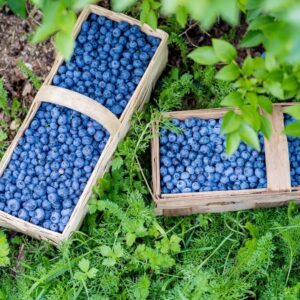
Top picks: Blueberries, raspberries, blackberries, camu camu, amla (Indian gooseberry)
Rich in anthocyanins, vitamin C, and ellagic acid, berries are powerful antioxidants that protect cells from DNA damage. They’ve also been shown to reduce angiogenesis, the process that tumors use to grow their own blood supply (7✓)✓ Trusted ResourcePubMed CentralHighly respected database from the National Institutes of HealthRead source.
Ellagic acid, found highest in raspberries, is especially helpful in inhibiting the genesis of tumours, and slows the growth rate of pre-malignant cancerous cells (8✓)✓ Trusted ResourcePubMed CentralHighly respected database from the National Institutes of HealthRead source.
4. Rare & Exotic Tropical Fruits
Top picks:
- Soursop (Graviola): Lab studies show its acetogenins are toxic to cancer cells while leaving healthy ones unharmed (9✓)✓ Trusted ResourcePubMed CentralHighly respected database from the National Institutes of HealthRead source.
- Mangosteen: Contains xanthones with antiproliferative effects on multiple cancer types (10✓)✓ Trusted ResourcePubMed CentralHighly respected database from the National Institutes of HealthRead source. The mangosteen rind possesses the highest levels of the group of antioxidants called xanthones, namely, Alpha Mangostin and Gamma Mangostin. Studies have found that these antioxidants selectively kill cancer cells at each stage of cancer development. One study even found that xanthones have the ability to destroy resistant cancer cell lines (11✓)✓ Trusted ResourcePubMed CentralHighly respected database from the National Institutes of HealthRead source.
- Papaya: Contains enzymes and lycopene; studies show it inhibits the growth of breast and prostate cancer cells (12✓)✓ Trusted ResourcePubMed CentralHighly respected database from the National Institutes of HealthRead source.
- Guava and Pomegranate: High in antioxidants, polyphenols, and vitamin C (13✓)✓ Trusted ResourcePubMed CentralHighly respected database from the National Institutes of HealthRead source.
While most people focus on more common fruits like berries or apples, some of the most potent anti-cancer properties are found in lesser-known tropical fruits. These exotic powerhouses are rich in unique phytonutrients that offer strong protective effects — and in some cases, have shown direct cytotoxicity toward cancer cells in lab studies.
5. Spices & Roots
Top picks: Turmeric, ginger, garlic, black pepper
Curcumin (from turmeric) is one of the most studied anti-cancer compounds. Ginger fights inflammation and oxidative stress. Garlic contains allicin and sulfur compounds shown to prevent DNA mutations and block tumor formation.
Ginger helps induce apoptosis (“cell suicide”) in cancer cells without affecting surrounding, healthy cells (14✓)✓ Trusted ResourcePubMed CentralHighly respected database from the National Institutes of HealthRead source. It is also a great herb for reducing nausea and inflammatory pain.
Turmeric contains the active component curcumin, which helps prevent many cancers, especially breast and uterine cancers. Curcumin prevents the formation of cancer-causing enzymes (like topoisomerase, which is essential for the replication of cancer cells), thus reducing the risk of cancer cell formation and growth (15✓)✓ Trusted ResourcePubMed CentralHighly respected database from the National Institutes of HealthRead source.
The sulphur compounds in garlic can also stop cancer-causing substances from forming in your body, as well as speed up DNA repair. They are especially useful in triggering the death of prostate, colon, breast, and lung cancer cells (16✓)✓ Trusted ResourcePubMed CentralHighly respected database from the National Institutes of HealthRead source.
6. Medicinal Mushrooms
Top picks: Chaga, reishi, turkey tail, maitake, shiitake
Mushrooms like chaga and reishi contain beta-glucans, which help the immune system recognize and destroy abnormal cells (17✓)✓ Trusted ResourcePubMed CentralHighly respected database from the National Institutes of HealthRead source. Turkey tail is even being used in adjunct cancer therapies in Japan and the U.S (18✓)✓ Trusted ResourcePubMed CentralHighly respected database from the National Institutes of HealthRead source.
Best way to consume: For chaga and reishi, you want to boil them down in a large pot of water and simmer for a few hours before consuming. If you are taking supplements, ensure the ingredients say “full fruiting body”.
7. Allium Vegetables
Top picks: Onions, garlic, leeks, shallots
These sulfur-rich vegetables stimulate detox enzymes, reduce inflammation, and protect against DNA mutations (19✓)✓ Trusted ResourcePubMed CentralHighly respected database from the National Institutes of HealthRead source. Regular consumption is linked to a lower risk of gastric and colorectal cancers (20✓)✓ Trusted ResourcePubMed CentralHighly respected database from the National Institutes of HealthRead source.
8. Fermented Foods for Gut Health
Top picks: Sauerkraut, kimchi, miso, tempeh, coconut kefir
A healthy gut microbiome plays a major role in immune defense. Fermented foods introduce beneficial bacteria that reduce inflammation and help your body eliminate carcinogens more efficiently (21✓)✓ Trusted ResourcePubMed CentralHighly respected database from the National Institutes of HealthRead source.
9. Seeds & Nuts
Top picks: Flaxseeds, walnuts, chia seeds, Brazil nuts
Flaxseeds are loaded with lignans, which balance hormones and may protect against hormone-driven cancers (22✓)✓ Trusted ResourcePubMed CentralHighly respected database from the National Institutes of HealthRead source. Brazil nuts offer selenium, a powerful trace mineral linked to lower cancer risk (23✓)✓ Trusted ResourcePubMed CentralHighly respected database from the National Institutes of HealthRead source.
10. Superfood Additions
You don’t have to rely solely on rare plants or exotic fruits to fight cancer. Many common foods and spices found in your pantry or local health store are packed with cancer-preventive compounds. These superfoods can support detoxification, reduce inflammation, protect DNA, and even help shut down cancer cell pathways.
Here’s a closer look:
1. Powerful Plants and Pantry Staples
- Green Tea: Contains EGCG, a catechin that helps prevent tumor growth and triggers cancer cell death (24✓)✓ Trusted ResourcePubMed CentralHighly respected database from the National Institutes of HealthRead source.
- Olive Oil: Extra virgin olive oil is rich in oleocanthal, which has been shown to damage cancer cell membranes while leaving healthy cells untouched (25✓)✓ Trusted ResourcePubMed CentralHighly respected database from the National Institutes of HealthRead source.
- Carrots: Loaded with falcarinol, which has demonstrated anti-cancer activity, particularly in colon cancer (26✓)✓ Trusted ResourcePubMed CentralHighly respected database from the National Institutes of HealthRead source. This effect mostly takes place with raw carrots.
- Beets: High in betalains and nitric oxide precursors that support oxygenation and may inhibit cancer cell growth (27✓)✓ Trusted ResourcePubMed CentralHighly respected database from the National Institutes of HealthRead source.
- Tomatoes: A top source of lycopene, a powerful antioxidant especially protective against prostate cancer (28✓)✓ Trusted ResourcePubMed CentralHighly respected database from the National Institutes of HealthRead source.
2. Antioxidant-Rich Fruits
- Pomegranate: Bursting with ellagitannins, which convert to urolithins in the gut — shown to inhibit cancer proliferation, especially in prostate and colon cancers (29✓)✓ Trusted ResourcePubMed CentralHighly respected database from the National Institutes of HealthRead source.
- Citrus Fruits (oranges, lemons, limes, grapefruits): Rich in limonoids and vitamin C, which boost immunity and detoxification pathways (30✓)✓ Trusted ResourcePubMed CentralHighly respected database from the National Institutes of HealthRead source.
- Pineapple: Contains bromelain, an enzyme with anti-inflammatory and immune-modulating effects — studied for its potential in halting tumor growth (31✓)✓ Trusted ResourcePubMed CentralHighly respected database from the National Institutes of HealthRead source.
- Watermelon: A refreshing source of lycopene and cucurbitacin E, both linked to reduced oxidative stress and cancer cell growth (32✓)✓ Trusted ResourcePubMed CentralHighly respected database from the National Institutes of HealthRead source.
- Cherries & Plums: Packed with anthocyanins and quercetin, which may reduce inflammation and inhibit cancer enzymes (33✓)✓ Trusted ResourcePubMed CentralHighly respected database from the National Institutes of HealthRead source.
- Apples (especially with the peel): Contain phloretin and quercetin, which protect DNA and help regulate cell growth (34✓)✓ Trusted ResourcePubMed CentralHighly respected database from the National Institutes of HealthRead source.
3. Seeds, Herbs, and Roots
- Black Cumin Seed (Nigella sativa): Contains thymoquinone, a potent compound shown to suppress tumor growth in several types of cancer (35✓)✓ Trusted ResourcePubMed CentralHighly respected database from the National Institutes of HealthRead source.
- Chia Seeds & Hemp Seeds: High in omega-3s, fiber, and lignans — all of which support hormonal balance and reduce inflammation (36✓)✓ Trusted ResourcePubMed CentralHighly respected database from the National Institutes of HealthRead source.
- Cinnamon: Contains cinnamaldehyde, which has been shown to reduce cancer cell proliferation in colon and leukemia models (37✓)✓ Trusted ResourcePubMed CentralHighly respected database from the National Institutes of HealthRead source.
- Cloves: Rich in eugenol, a compound with powerful antioxidant and anti-cancer effects — especially against breast and colon cancers (38✓)✓ Trusted ResourcePubMed CentralHighly respected database from the National Institutes of HealthRead source.
- Oregano: Contains carvacrol, known to induce apoptosis (cell death) in cancer cells and reduce inflammation (39✓)✓ Trusted ResourcePubMed CentralHighly respected database from the National Institutes of HealthRead source.
- Ginseng: Adaptogenic root studied for its anti-tumor, immune-boosting, and anti-fatigue properties in cancer patients (40✓)✓ Trusted ResourcePubMed CentralHighly respected database from the National Institutes of HealthRead source.
4. Additional Whole Food Heroes
- Avocados: Contain glutathione, a master antioxidant that protects cells from DNA damage and supports detox (41✓)✓ Trusted ResourcePubMed CentralHighly respected database from the National Institutes of HealthRead source.
- Artichokes: Packed with silymarin and chlorogenic acid, which have been studied for liver support and anti-tumor activity (42✓)✓ Trusted ResourcePubMed CentralHighly respected database from the National Institutes of HealthRead source.
- Sweet Potatoes: Loaded with beta-carotene, which supports immune health and has been associated with lower cancer risk (43✓)✓ Trusted ResourcePubMed CentralHighly respected database from the National Institutes of HealthRead source.
- Cacao (raw chocolate): Contains flavanols and polyphenols that protect against oxidative damage and support brain and heart health as well (44✓)✓ Trusted ResourcePubMed CentralHighly respected database from the National Institutes of HealthRead source.
Foods That May Promote Cancer (And What to Eat Instead)
While you’re adding healing foods, it’s just as important to avoid the ones that fuel disease:
| Avoid | Eat Instead |
|---|---|
| Processed meats | Lentils, beans, or tempeh |
| Refined sugar and sweeteners | Fresh fruit, dates, or raw honey |
| Refined oils (canola, soybean) | Extra virgin olive oil, avocado oil |
| Packaged processed foods | Whole foods made from scratch |
| Excess alcohol | Herbal tea, sparkling water with lemon |
Studies show a direct link between ultra-processed foods and increased cancer risk, especially for breast, colon, and prostate cancers (45✓)✓ Trusted ResourcePubMed CentralHighly respected database from the National Institutes of HealthRead source. The cleaner your plate, the stronger your protection.
How to Make This Your Daily Lifestyle
Incorporating these foods doesn’t have to be complicated. A few ideas to make it easy:
- Add broccoli sprouts to your daily salad or avocado toast
- Toss turmeric and black pepper into soups, curries, and smoothies
- Use flaxseeds in your overnight oats or smoothies
- Brew chaga or green tea in the morning
- Snack on berries and walnuts instead of chips
- Stir sauerkraut or kimchi into grain bowls or wraps
- Drink pomegranate juice (just make sure it’s pure and unsweetened)
Consistency is key. Aim to fill at least 75% of your meals with colorful, plant-rich ingredients. Your cells will thank you.
Frequently Asked Questions (FAQ)
What is the number one cancer-fighting food?
There isn’t a single “magic bullet” food, but broccoli sprouts are one of the most powerful cancer-fighting foods ever studied. They’re packed with a compound called sulforaphane, which has been shown to kill cancer cells, reduce tumor growth, and protect DNA from damage. In fact, broccoli sprouts can contain up to 100 times more sulforaphane than mature broccoli!
Other top contenders include garlic, turmeric, and berries — but when it comes to cancer prevention, the real magic is in eating a variety of whole, plant-based foods consistently.
Are there fruits that prevent cancer?
Yes — and some of the most potent cancer-fighting foods are actually fruits. Here are a few standout examples:
- Berries (especially blueberries, raspberries, and blackberries): rich in antioxidants and ellagic acid, which protect against DNA damage.
- Pomegranate: contains polyphenols that inhibit cancer cell growth and reduce inflammation.
- Soursop (graviola): shown in lab studies to be cytotoxic to several types of cancer cells.
- Mangosteen: contains xanthones that reduce oxidative stress and inflammation.
These fruits are packed with phytochemicals that neutralize free radicals and help your body resist the development of abnormal cells.
Can turmeric really prevent cancer?
Turmeric (and its active compound curcumin) is one of the most researched natural substances for cancer prevention. Studies have found that curcumin:
- Inhibits cancer cell proliferation
- Triggers apoptosis (natural cell death) in tumor cells
- Reduces inflammation — a known driver of cancer
- Blocks angiogenesis (the formation of new blood vessels tumors need to grow)
The key is consistency and pairing turmeric with black pepper, which contains piperine to boost curcumin absorption by up to 2000%. While turmeric alone won’t prevent cancer, it can play a powerful role when combined with a whole-food, plant-rich lifestyle.
The Bottom Line
Cancer may be a complex disease, but prevention can start with something as simple as what’s on your fork.
This list isn’t just about fighting disease. It’s about empowering you to live vibrantly, protect your health, and take back your power using the most natural (and delicious) medicine available: food.
You don’t need to be perfect. Start where you are. Add a few of these healing foods each day and build from there.


Greetings, Carly! I am thrilled to have found your wonderful website! I am a 77 year old Grandma of 5, living in beautiful southern California! I look forward to enjoying and learning from your wonderful knowledge and advice!
Thank you!!
Hey Linda! Thanks for the message – it's messages like these that help motivate me to write more. Many blessings. 🙂
Thank you. I have a meningioma brain tumor attached to the brain stem. So, a healthty diet is my priority. Any additional avises?
Please check out the list I have at the end of the article here: https://livelovefruit.com/chemotherapy-kills/
I mean, "advises". Thank you very much.