
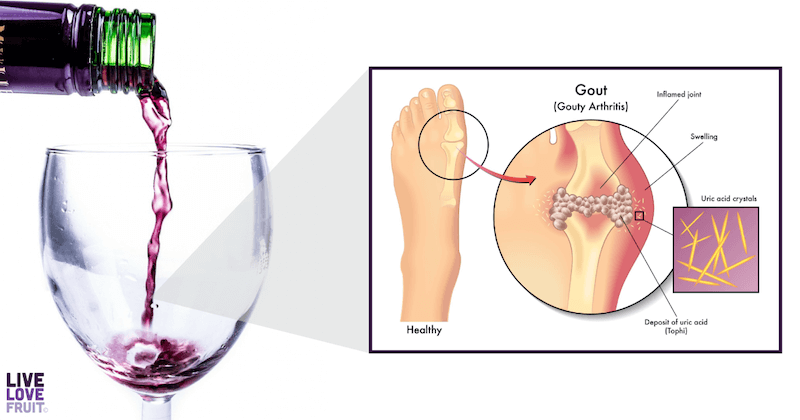
That sudden, throbbing pain in your joint (often in the middle of the night) isn’t something you forget easily.
For many people, gout doesn’t feel like “just inflammation.” It feels sharp, hot, and almost impossible to ignore. Even the weight of a bedsheet can feel unbearable.
If you’ve experienced that, you already know this isn’t something you want to keep repeating.
Here’s the good news: while gout isn’t always completely preventable, what you eat plays a major role in whether you trigger another flare-up or avoid one.
And most people are unknowingly making it worse.
Let’s break this down clearly so you actually understand what’s happening in your body, and what to change starting today.
What Is Gout (And Why It Hurts So Much)?
Gout is a type of inflammatory arthritis caused by a buildup of uric acid in the body.
When uric acid levels get too high, it forms tiny, sharp crystals that deposit in your joints; most commonly in the big toe, but also in the ankles, knees, fingers, and wrists.
Those crystals trigger an intense inflammatory response.
That’s why gout pain feels:
- sudden
- sharp and stabbing
- hot and swollen
- extremely sensitive to touch
This isn’t just mild discomfort. It’s one of the most painful forms of arthritis.
What Causes Gout? (It’s Not Just Diet)
Let’s get something straight, because a lot of content gets this wrong.
Gout is not just caused by food.
There are two main drivers:
- Your body produces too much uric acid
- Your body doesn’t eliminate enough of it
And those are influenced by:
- genetics
- age
- kidney function
- medications
- metabolic health
But here’s where diet comes in, and where you actually have control.
Certain foods can:
- increase uric acid production
- slow down its excretion
- trigger sudden spikes
So while diet isn’t the root cause for everyone, it’s one of the most powerful triggers you can control.
How Diet Impacts Gout Flare Ups
Uric acid is produced when your body breaks down purines, natural compounds found in your body and in certain foods.
Here’s the key:
- Your body already produces most of its purines
- But high-purine foods can push levels over the edge
And that’s when flare-ups happen.
Research shows that high purine intake can significantly increase the risk of recurrent gout attacks, especially when combined with alcohol or sugar
(1✓)✓ Trusted ResourcePubMed CentralHighly respected database from the National Institutes of HealthRead source.
There’s also another factor most people overlook: fructose (sugar) can raise uric acid, too
(2✓)✓ Trusted ResourcePubMed CentralHighly respected database from the National Institutes of HealthRead source.
Even though sugary foods don’t contain purines, they can:
- increase uric acid production
- worsen insulin resistance
- make it harder for your body to clear uric acid
That’s why some of the worst gout triggers aren’t just meats, they’re processed foods.
10 Foods That Cause Gout Flare Ups
If you’re trying to prevent gout attacks, these are the foods that tend to trigger them the most.
1. Alcohol (Especially Beer)
Alcohol is one of the strongest gout triggers.
It does two things at once:
- increases uric acid production
- blocks your kidneys from excreting it
Beer is particularly problematic because it also contains yeast, which is high in purines.
Even moderate intake can increase the risk of flare-ups.
One study found that drinking two to four drinks per day increased the risk of repeated gout attacks by 50 percent (3✓)✓ Trusted ResourcePubMed CentralHighly respected database from the National Institutes of HealthRead source. If you are currently suffering from gout, significantly limiting your alcohol consumption or eliminating it entirely would be wise.
2. Yeast and Yeast Extracts
Foods and supplements high in yeast can contribute to uric acid buildup (4✓)✓ Trusted ResourcePubMed CentralHighly respected database from the National Institutes of HealthRead source.
This includes:
- nutritional yeast (in large amounts)
- yeast extracts like Marmite or Vegemite
This isn’t always talked about, but it matters, especially if you’re already prone to gout.
3. Red Meat (Especially Organ Meats)
Red meat is rich in purines, but organ meats are on another level.
The biggest culprits:
- liver
- kidneys
- sweetbreads
These can significantly raise uric acid levels and increase flare risk (5✓)✓ Trusted ResourcePubMed CentralHighly respected database from the National Institutes of HealthRead source.
4. High-Purine Seafood
Not all fish are equal when it comes to gout.
The highest-risk options include:
- anchovies
- sardines
- mackerel
- herring
- shellfish (shrimp, crab, scallops)
These are some of the most concentrated sources of dietary purines. Interestingly enough, one study found that seafood with lower levels of omega-3 polyunsaturated fatty acids was associated with a higher risk of gout, whereas omega-3-rich seafood was not (6✓)✓ Trusted ResourcePubMed CentralHighly respected database from the National Institutes of HealthRead source.
5. Canned Fruit in Syrup
Whole fruit is generally fine.
But canned fruit packed in syrup is essentially a concentrated source of sugar, and that can contribute to gout flare-ups over time (7✓)✓ Trusted ResourcePubMed CentralHighly respected database from the National Institutes of HealthRead source.
6. Sugary Drinks (Soda and Sweetened Juices)
This is where a lot of people get caught off guard.
Sugary drinks, especially those with high fructose corn syrup, can:
- spike uric acid production
- increase insulin resistance
- worsen overall inflammation
Even “fruit juice” can be a problem if it’s high in sugar (8✓)✓ Trusted ResourcePubMed CentralHighly respected database from the National Institutes of HealthRead source.
7. Candy and Processed Sweets
These don’t contain purines, but they still contribute to gout by:
- increasing uric acid production
- driving weight gain and metabolic issues
This includes:
- packaged desserts
- candies
- chocolate bars
8. White Bread, Pasta, and Refined Carbs
Refined carbohydrates can:
- spike blood sugar
- worsen insulin resistance
- indirectly increase uric acid levels
They’re not the worst offenders alone, but combined with other triggers, they add up.
9. Cakes, Cookies, and Pastries
This is where things stack against you:
- refined flour
- added sugar
- unhealthy fats
That combination can worsen inflammation and metabolic stress, both of which play into gout (9✓)✓ Trusted ResourcePubMed CentralHighly respected database from the National Institutes of HealthRead source.
10. Fast Food and Ultra-Processed Foods
This is the category most people underestimate.
Fast food often contains:
- hidden sugars
- refined carbs
- unhealthy fats
- additives that stress metabolic health
And that combination can quietly increase your risk of flare-ups.
High-Purine vs Low-Purine Foods (What Actually Matters)
Here’s where nuance matters, because not all purines behave the same way in the body.
High-Purine Foods (Limit or Avoid)
- organ meats
- certain fish and shellfish
- alcohol
- processed meats
Moderate-Purine Foods
- legumes
- spinach
- mushrooms
Important: These don’t appear to trigger gout the same way animal sources do.
Low-Purine Foods (Safer Options)
- most fruits
- vegetables
- whole grains
- nuts and seeds
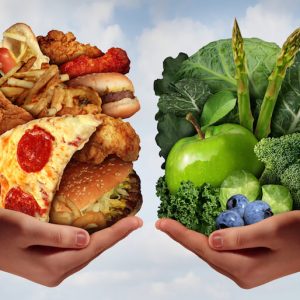
This is where most of the outdated advice goes wrong: plant foods are generally not the problem.
What to Eat Instead to Help Prevent Gout
Cutting foods is only half the strategy.
If you don’t replace them with better options, you’ll either stay stuck or fall back into the same habits.
Here’s what actually helps:
1. Hydrating Foods
- watermelon
- cucumber
- citrus fruits
Hydration helps your body flush uric acid more effectively.
2. Anti-Inflammatory Foods
- berries
- leafy greens
- ginger
- turmeric
These support your body’s response to inflammation.
3. Complex Carbohydrates
- oats
- quinoa
- brown rice
These provide stable energy without spiking blood sugar.
4. Plant-Based Proteins
- lentils
- chickpeas
- beans
These are generally well-tolerated, especially compared to animal proteins.
5. Water
Water might be the most overlooked factor.
If you’re dehydrated, your body has a harder time eliminating uric acid.
Aim for consistent hydration throughout the day, not just when you’re thirsty. This is about 3.7 liters for men, and 2.7 liters for women.
Lifestyle Habits That Can Reduce Gout Flare-Ups
Food matters, but it’s not everything.
These factors play a big role, too:
- maintaining a healthy weight
- avoiding crash dieting (which can spike uric acid)
- limiting alcohol
- staying active
- managing blood sugar
In addition, working with a doctor if needed is strongly advised.
Trying to manage gout purely through diet while ignoring everything else is where people get stuck.
Gout FAQs
What triggers gout attacks the most?
Alcohol, high-purine animal foods, and sugary drinks are the most common triggers.
Can you reverse gout with diet?
You can significantly reduce flare-ups, but not everyone can fully reverse gout with diet alone.
Are eggs bad for gout?
No. Eggs are low in purines and generally considered safe.
Are vegetables high in purines a problem?
Not usually. Plant-based purines don’t seem to trigger gout the same way animal sources do.
How quickly can food trigger a gout attack?
In some cases, within 24 hours, especially after alcohol or high-purine meals.
The Bottom Line
Gout doesn’t develop overnight, and it doesn’t go away overnight either. For many people, it’s something that builds quietly over time and then suddenly shows up as intense, disruptive pain. And while that can feel frustrating or even unfair, it’s important to remember that you’re not powerless here.
You may not be able to control your genetics or how your body naturally processes uric acid, but you can control many of the daily triggers that influence whether a flare-up happens. The foods you eat, how well you stay hydrated, and your overall metabolic health all play a role in either calming inflammation or pushing your body closer to that tipping point.
The goal isn’t perfection. It’s awareness and consistency. When you start paying attention to what actually triggers your symptoms and make small, intentional adjustments, things begin to shift. Flare-ups can become less frequent, less intense, and more predictable, which gives you a sense of control again.
And that’s really what this comes down to: learning how to work with your body instead of constantly reacting to it.






Leave a Reply