

Doctors are learning that one of the best ways to fight disease and illness is by avoiding the very foods that cause chronic inflammation. While this isn’t a new concept for those with a more holistic view of the body, it is for the modern medical system, which focuses on treating symptoms instead of addressing the root cause of an issue.
Your immune system becomes activated whenever it recognizes a foreign substance, whether that be a chemical molecule, an invading microbe, or plant pollen. This triggers a process known as inflammation, a beneficial process when triggered for the right purposes.
However, when this inflammation stays triggered, day in, day out, it becomes not quite so beneficial. Many major diseases like cancer, heart disease, diabetes, arthritis, depression, and Alzheimer’s have all been linked to chronic inflammation (1, 2). Arthritis is inflammation of the joints. Heart disease is inflammation of the arteries. ALS is an inflammation of the central nervous system. The list goes on.
The Inflammation Theory of Disease
Great, so inflammation causes disease. But how does it do that? What happens inside the body when inflammation becomes chronic and systemic? How is it implicated in different diseases?
Cancer
According to Maija Kohonen-Corish from the Garvan Institute of Medical Research, chronic inflammation causes cancer through tissue destruction and scarring, and reshaping of the tissue architecture, as well as contributing to changes in gene expression that sustain tumorigenesis (3). The constant presence of inflammation in the body also creates an environment where cancer cells thrive.
“In a nutshell, it is believed that inflammatory mediators such as cytokines and chemokines, when persistent in the inflamed tissue, can induce proliferation, survival, and growth of cells and modify their differentiation status, ‘forcing’ them to undergo transformation,” Kohonen-Corish explained.
Heart Disease
Even in heart disease, inflammation is implicated. When cholesterol-rich plaques build up in the blood vessels, the body perceives this as abnormal and foreign. As a result, the body tries to cover up the plaque from the rest of the flowing blood. However, if the plaque ruptures, the walled-off contents can come into contact with blood and trigger a blood clot formation (4). This, of course, can cause a heart attack or stroke (depending on how close the blocked artery is to the heart or brain, respectively).
Diabetes
Cytokines that develop as a result of chronic inflammation can interfere with insulin signalling, according to a 2009 article in the journal Gerontology (5). This results in increased insulin resistance and spiked blood sugar. The blood sugar spikes trigger white blood cells to attack, and inflammation continues. As a result, the risk of diabetes increases.
Lung Issues
Chronic inflammation is implicated in many lung disorders like asthma and chronic obstructive pulmonary disease (COPD), which includes chronic bronchitis and emphysema. When the lungs are inflamed, fluids and mucus accumulate, making the airways narrow and breathing difficult.
Bone Health
Inflammation has even been associated with increased bone loss and lack of bone growth, according to a 2009 article in the Journal of Endocrinology. Scientists believe that cytokines (that result from systemic inflammation) in the blood interfere with bone “remodelling” – the process in which old, damaged pieces of bone are replaced with new ones. Inflammation in the gut can also reduce the ability of the body to absorb certain nutrients from food, like vitamin D and calcium, which are essential for bone health.
Depression
Not so surprisingly, a study published in JAMA Psychiatry found that people with depression had 30 percent more brain inflammation than those who were not depressed (6). Another study published in The Journal of Clinical Psychiatry similarly found that those who are depressed have 46% higher levels of C-reactive protein (CRP), a marker of inflammatory disease, in their blood samples (7).
Top Foods That Cause Inflammation in the Body
While doctors might recommend anti-inflammatory medications like ibuprofen and Advil, an easier (and safer) route would be to avoid the foods that cause inflammation in the first place.
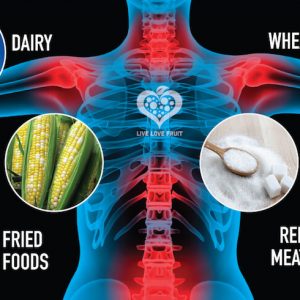
Here are the 6 top foods that cause inflammation in the body:
1. Vegetable and Seed Oils
Unlike extra virgin olive oil and virgin coconut oil, many vegetable and seed oils are extracted using industrial solvents such as hexane, a chemical commonly found in gasoline. This category includes oils like corn, safflower, sunflower, canola (rapeseed), peanut, sesame, and soybean oils.
These oils undergo extensive refining, bleaching, and deodorizing processes that reduce nutritional quality and increase the formation of harmful oxidation products. Rich in omega-6 polyunsaturated fatty acids, they are prone to oxidation, especially when exposed to heat or light, producing compounds that can promote inflammation and cellular damage (8). While omega-6s are essential in small amounts, the excessive intake typical of Western diets disrupts the ideal omega-6 to omega-3 ratio, contributing to chronic inflammation and increased disease risk.
What To Use Instead: For high-heat cooking, use oils with a high smoke point like coconut oil or avocado oil. For oils that have a low smoke point, opt for things like extra-virgin olive oil.
2. Dairy
Dairy consumption can stimulate mucus production because it often acts as a pro-inflammatory stimulus, especially in individuals with sensitivities. Proteins in dairy, such as casein and whey, can be identified by the immune system as foreign antigens, activating innate and adaptive immune responses. This triggers the release of pro-inflammatory cytokines like IL-4 and IL-13, which promote mucous gland hypersecretion in the respiratory and gastrointestinal mucosa. The increased mucus serves as a protective mechanism to trap and expel the perceived irritants.
Dairy includes all bovine-derived products such as milk, yogurt, cheese, cottage cheese, sour cream, cream cheese, and ice cream.
What To Use Instead: plant-based dairy alternatives like almond or coconut milk, yogurt, cheese, and so on. The options are endless! Be sure to check the ingredients, though, as many plant-based alternatives can be highly processed.
3. Refined Carbohydrates
Carbohydrates are often misunderstood, but it’s crucial to distinguish between types. For millions of years, human diets featured high-fiber, minimally processed carbohydrates from whole plant foods like grasses, roots, and fruits. Issues predominantly arise with refined carbohydrates, which are stripped of fiber and micronutrients.
Research shows that refined carbs promote dysbiosis by encouraging the growth of pro-inflammatory gut bacteria, increasing the risk for obesity and inflammatory bowel diseases (9). In one controlled study, ingestion of 50 grams of refined carbohydrates as white bread triggered activation of NF-κB—a key transcription factor that regulates genes involved in inflammation and immune response—in healthy young men (10). Elevated NF-κB activity contributes to the production of inflammatory cytokines, amplifying systemic inflammation. Other markers, such as C-reactive protein (CRP), also rise in response to high refined carb intake.
Refined carbohydrates are found in many processed foods, including pasta, white rice, crackers, cakes, cookies, and breads. Choosing whole-food, fiber-rich alternatives helps maintain gut microbial balance and reduces chronic inflammation.
What To Use Instead: ripe fruit, starchy roots (like potatoes, carrots, and beets), buckwheat, and quinoa.
4. Conventional Meats
Conventional processed meats, such as sausage, bacon, ham, smoked meat, and beef jerky, are well-established contributors to systemic inflammation. These products contain elevated levels of advanced glycation end products (AGEs), compounds formed when proteins and sugars react under high cooking temperatures typical of processing methods like smoking and frying. AGEs promote oxidative stress by generating reactive oxygen species (ROS) and activate inflammatory pathways, including the receptor for AGEs (RAGE) signaling cascade. This activation leads to increased production of pro-inflammatory cytokines such as TNF-α and IL-6, fueling chronic inflammation associated with cardiovascular disease, type 2 diabetes, stomach cancer, and colorectal cancer (11, 12).
To minimize AGE intake and its harmful effects, consider limiting processed meat consumption and opting for cooking methods that use lower temperatures and more moisture, such as steaming, boiling, or poaching. Additionally, diets rich in antioxidants can help neutralize oxidative stress and reduce inflammation triggered by AGEs.
What To Use Instead: beans and legumes, nuts and seeds, amino acid-rich vegetables & fruit. If you don’t want to give up meat, make sure the meat is pasture-raised, grass-fed, and organic.
5. Refined Sugar
Do you frequently crave soda, snack bars, candy, baked sweets, or other sources of added sugars? These foods may be driving systemic inflammation beyond what you expect.
A comprehensive review in the Journal of Endocrinology highlights that excessive intake of glucose-containing sugars leads to hyperglycemia, which overwhelms cellular metabolism. This results in increased production of pro-inflammatory cytokines such as TNF-α and IL-6, contributing to chronic low-grade inflammation.
Although naturally occurring fructose in whole fruits and vegetables is generally metabolized efficiently, large quantities of refined fructose, found in high-fructose corn syrup and other processed foods, have distinct metabolic effects.
Refined fructose consumption has been shown to induce endothelial dysfunction by promoting inflammatory responses within endothelial cells, impairing vascular health (13). Experimental studies in both humans and animal models demonstrate that high fructose intake elevates systemic inflammatory markers, oxidative stress, and can exacerbate metabolic dysregulation (14).
What To Use Instead: coconut palm sugar, maple syrup, raw honey, fruit.
6. Trans Fats
Artificial trans fats are among the most detrimental dietary fats, often labeled as “partially hydrogenated oils” on ingredient lists. Commonly found in processed foods like crackers, frozen meals, and margarine, they’re used to enhance shelf life and texture.
At the molecular level, trans fats alter cell membrane fluidity and promote inflammation by increasing the production of pro-inflammatory cytokines such as interleukin-6 (IL-6), tumor necrosis factor-alpha (TNF-α), and C-reactive protein (CRP) (15). They also contribute to endothelial dysfunction and oxidative stress, key drivers of atherosclerosis and metabolic diseases. Evidence from the Nurses’ Health Study revealed that women with the highest trans fat consumption had CRP levels nearly 80% higher than those with the lowest intake, illustrating their potent inflammatory effects (16).
Recognizing the public health risks, many countries have implemented regulations to limit or ban artificial trans fats in food supplies. Despite these advances, vigilance is still necessary. The most effective way to minimize exposure is to carefully read nutrition labels and avoid any products containing trans fats.
Lifestyle Habits That Help Reduce Inflammation
Reducing inflammatory foods is essential, but addressing lifestyle factors that fuel chronic inflammation is just as important for long-term health. Here are three key habits to adopt:
Prioritize Quality Sleep
Aim for 7 to 8 hours of restful sleep each night. Poor or insufficient sleep disrupts immune system regulation, increasing inflammatory markers such as C-reactive protein (CRP) and cytokines like IL-6. Creating a consistent bedtime routine, limiting screen time before bed, and optimizing your sleep environment can significantly improve sleep quality and reduce inflammation.
Get Regular Sunlight Exposure
Spending 15 to 30 minutes outdoors daily helps your body produce vitamin D, a critical nutrient that modulates immune function and inflammation. Low vitamin D levels are associated with higher rates of autoimmune and inflammatory diseases. Natural sunlight also supports circadian rhythm regulation, which influences many aspects of your health.
Manage Stress Effectively
Chronic stress elevates cortisol, a hormone that, when persistently high, promotes inflammation and impairs immune response. Incorporate stress-reduction techniques such as mindfulness meditation, deep breathing exercises, yoga, or gentle physical activity like walking. These practices help lower cortisol levels and calm the nervous system, reducing inflammation at its root.
By combining these lifestyle habits with an anti-inflammatory diet, you’ll create a powerful defense against chronic inflammation and its associated diseases, supporting your body’s resilience and longevity.






I just love your newsletters Caely and am so grateful for their content. Thank you for making such incredible information available to us, the general public all out of your desire to see people live disease free and optimally. So grateful 🙏
Thanks Kay, appreciate it!!
Unless made from goat milk or something that is not from a cow, isn’t yogurt and cheese dairy?
Any dairy product from an animal is considered dairy, whether from a goat or a cow, it’s all the same. Yogurt, cheese, milk, ice cream, butter, are all dairy products.
Thanks very much Carly.. I love reading the information given.
Im attending a Chiropractor at the moment and will take into account the info.