
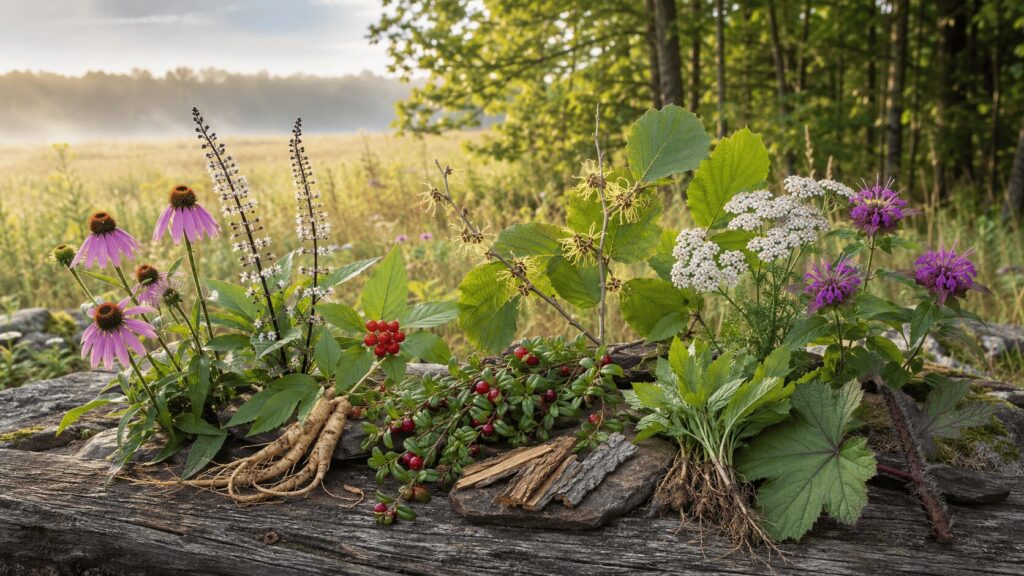
Walk through a modern wellness store, and you may see echinacea capsules, cranberry concentrates, witch hazel toner, or black cohosh tablets. What is often missing is the fuller story: which plant and plant part a product contains, which Indigenous nation’s knowledge is being referenced, how the preparation has changed, and what research can, and cannot, tell us.
The plants in this article were not “forgotten” by Indigenous peoples. Their cultural origins have often been overlooked, marginalized, commercialized, or separated from living systems of knowledge by the mainstream wellness industry. Even the familiar search phrase “Native American healing herbs” can flatten hundreds of distinct nations into one imagined tradition. There is no single Native American medicine, just as there is no single Indigenous language or culture. The National Museum of the American Indian recommends naming specific peoples and using present-tense language that recognizes Indigenous cultures as living and dynamic.
Here, “herbs” is used in the broad popular sense. The list includes roots, rhizomes, inner bark, berries, stems, leaves, and flowers, not only soft-stemmed botanical herbs. For every plant, documented traditional use is discussed separately from human clinical research, animal experiments, and laboratory findings.
This article is educational, not medical advice. Traditional use does not establish that a product is effective or safe for a particular person. Plant products can cause allergic reactions, be contaminated or misidentified, and interact with medicines. Do not use them to replace diagnosis or treatment, and consult a qualified health professional before using a supplement if you take medication, have a medical condition, are pregnant or breastfeeding, or are considering a product for a child.
Indigenous Plant Knowledge is Diverse, and Still Alive
Indigenous healing traditions developed within particular communities, languages, lands, relationships, and responsibilities. A preparation documented among the Cheyenne should not be attributed automatically to the Cherokee, Ojibwe, Tlingit, or every Indigenous person on the continent. In some communities, plant knowledge may also be held by particular families, healers, or knowledge keepers rather than shared publicly.
Some Indigenous peoples use “Turtle Island” for North America, and the name has become more widely recognized in intertribal and public settings. It arises from the creation traditions of some nations, however, and is not a universal term used by every Indigenous community. One example is the Anishinabe account shared by Parks Canada. The most respectful practice is to follow the terminology used by the people or nation being discussed.
Historical ethnobotanical records require care, too. They preserve valuable documentation, but many were produced by outside collectors, sometimes without the context or consent expected today. Older publications may use names such as “Fox,” “Winnebago,” “Iroquois,” “Montagnais,” or “Tanaina.” This article uses Meskwaki, Ho-Chunk, Haudenosaunee, Innu, and Dena’ina where those are the appropriate contemporary names. An archive is evidence that a use was recorded; it is not proof of clinical effectiveness, current community practice, or permission to reproduce culturally restricted knowledge.
Modern science has a different purpose and set of tools. It can investigate chemistry, safety, and measurable health outcomes. It should complement—not “validate,” overwrite, or extract—from Indigenous knowledge: a clinical trial and a community’s relationship with a plant answer different questions.
10 Native American Healing Herbs
So how were each of these 10 medicinal plants selected?
Each plant met three basic standards: credible documentation connected it to at least one identifiable Indigenous nation or community in North America; enough scientific research existed to describe the present evidence honestly; and its safety, conservation, and sourcing issues could be discussed responsibly.
The result is not a “top 10” ranking, a treatment guide, or a complete inventory of Indigenous medicinal plants. Several plants with higher search popularity were omitted because their cultural significance was vague, their risks were too easily minimized, or their inclusion would encourage harmful harvesting. Oshá and devil’s club remain here precisely because an honest account must address cultural boundaries, uncertain evidence, and the reasons not to turn every meaningful plant into a consumer trend.
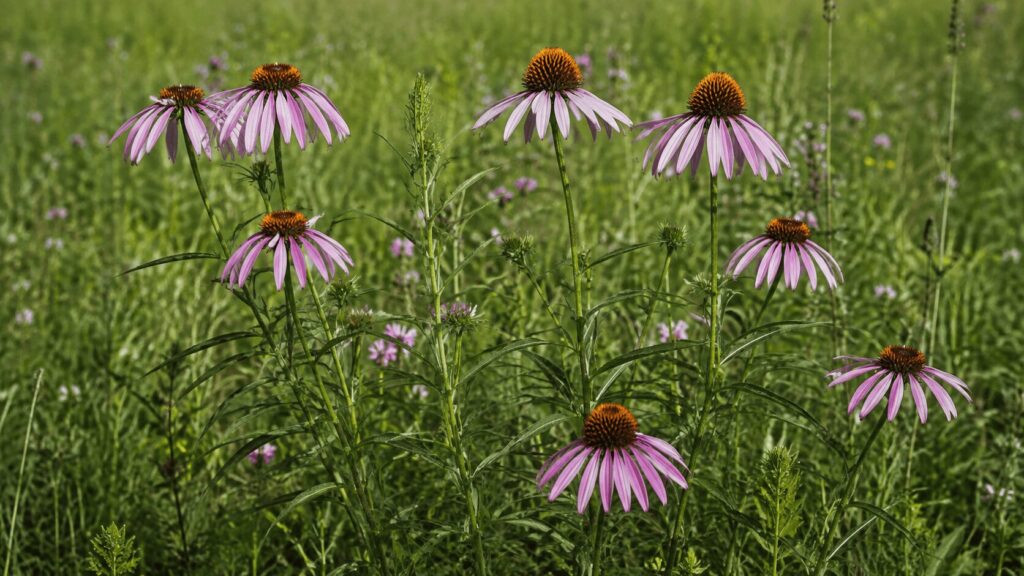
1. Narrowleaf Purple Coneflower (Echinacea angustifolia)
Documented traditional use
Narrowleaf purple coneflower is native to the Great Plains, where its thick root was documented in several distinct systems of plant knowledge. A USDA Natural Resources Conservation Service plant guide records use of Echinacea angustifolia by Cheyenne, Dakota, Meskwaki, Ho-Chunk, Omaha, Pawnee, Ponca, Kiowa, and Lakota people, among others. Recorded purposes included tooth pain, sore throat, cough, headache, burns, and other concerns. The guide uses the older labels “Fox” and “Winnebago” in places; Meskwaki and Ho-Chunk are used here.
Those records do not describe one shared “Plains Indian remedy.” They document different plant parts, preparations, and purposes among different peoples. Nor is echinacea merely a historical artifact. Ethnobotanist Kelly Kindscher notes that it continues to be used in many Tribal communities, even as it has become a global supplement ingredient.
What modern research shows
Echinacea species contain alkamides, caffeic-acid derivatives such as echinacoside, polysaccharides, and other compounds. Their proportions vary by species, plant part, soil, extraction method, and finished product. That variability is crucial: a trial of an E. purpurea aerial-part extract does not establish the effects of an E. angustifolia root preparation.
According to the U.S. National Center for Complementary and Integrative Health, human studies suggest that taking some echinacea products may slightly reduce the chance of catching a cold
(1✓)✓ Trusted ResourcePubMed CentralHighly respected database from the National Institutes of HealthRead source. It remains unclear whether echinacea reliably shortens a cold, and research on other conditions is much thinner. Many reviews pool several species and formulations, which makes the average result difficult to apply to a particular bottle.
The most defensible conclusion is modest: certain standardized echinacea products may have a small preventive effect on upper respiratory infections, but “echinacea” is not one uniform intervention. Laboratory evidence about immune activity or antimicrobial effects does not show that the plant treats an infection in a person.
Safety and responsible use
Short-term use of some E. purpurea products and mixtures containing E. angustifolia appears reasonably well tolerated by many adults. Digestive symptoms can occur, and allergic reactions are possible, especially for people sensitive to plants in the daisy family. Potential interactions with immunosuppressants and some other medicines remain a concern; pregnancy and breastfeeding data are limited.
Species identity matters, as does sourcing. The USDA guide reports pressure from habitat loss and commercial root harvesting. Choose a product that states the exact species and plant part, documents testing, and uses cultivated rather than wild-dug roots.
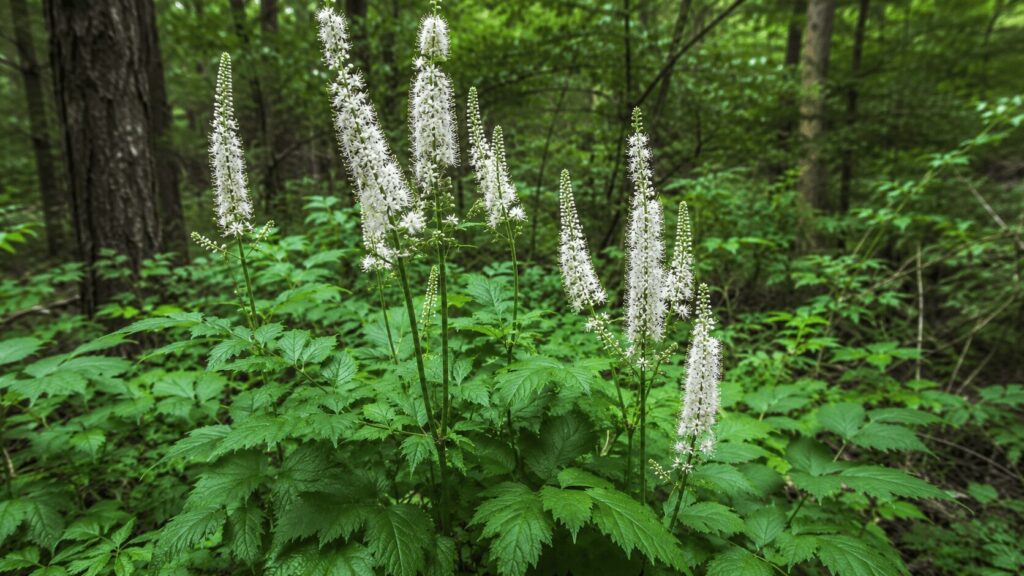
2. Black Cohosh (Actaea racemosa)
Documented traditional use
Black cohosh is an eastern woodland plant whose medicinally used portion is usually its root and rhizome, the underground stem. Historical sources document varied uses among Algonquian peoples, Cherokee people, and Haudenosaunee peoples. A conservation review from United Plant Savers traces recorded uses for concerns including colds, back pain, rheumatic complaints, kidney problems, and hives.
That history is broader than black cohosh’s current marketing as a “women’s herb.” It would be inaccurate to work backward from today’s menopause supplements and imply that every earlier use had the same purpose, preparation, or theory.
What modern research shows
Commercial extracts contain triterpene glycosides and phenolic constituents, but black cohosh’s biological mechanisms remain unsettled. Some proposed explanations have changed as researchers have learned more, which is one reason confident claims about a simple “estrogen-like” action should be avoided.
Human research has focused mainly on menopause symptoms. NCCIH’s evidence summary notes that a 2023 review of 22 studies found products containing black cohosh potentially beneficial for overall menopause symptoms and hot flashes, but not for anxiety or depressive symptoms (2✓)✓ Trusted ResourcePubMed CentralHighly respected database from the National Institutes of HealthRead source. Earlier reviews, including a Cochrane assessment, found insufficient evidence for a firm conclusion (3✓)✓ Trusted ResourcePubMed CentralHighly respected database from the National Institutes of HealthRead source. Differences among extracts, combination products, study quality, and outcome measures help explain the uncertainty.
The careful takeaway is that some specific extracts may reduce certain menopause symptoms for some people, but the evidence is not interchangeable across products. There are not enough reliable data to support the many other health claims made for black cohosh.
Safety and responsible use
Black cohosh is generally tolerated in studies lasting up to a year, but rare and sometimes serious cases of liver injury have been reported. It is uncertain whether black cohosh itself, contamination, or another factor caused those cases. Anyone who develops dark urine, unusual fatigue, yellowing of the skin or eyes, or other possible signs of liver trouble should stop the product and seek medical care.
Authentication is a real safety issue: products labeled black cohosh have sometimes contained other Actaea species or undisclosed ingredients. Black cohosh is also not blue cohosh (Caulophyllum thalictroides), a different plant with different and potentially serious risks. Safety is uncertain during pregnancy and breastfeeding and for people with hormone-sensitive conditions.
Because the rhizome is harvested, collection removes the plant. Much commercial supply has historically come from wild populations. Look for verified identity and cultivated or responsibly forest-grown material rather than an unexplained “wildcrafted” claim.
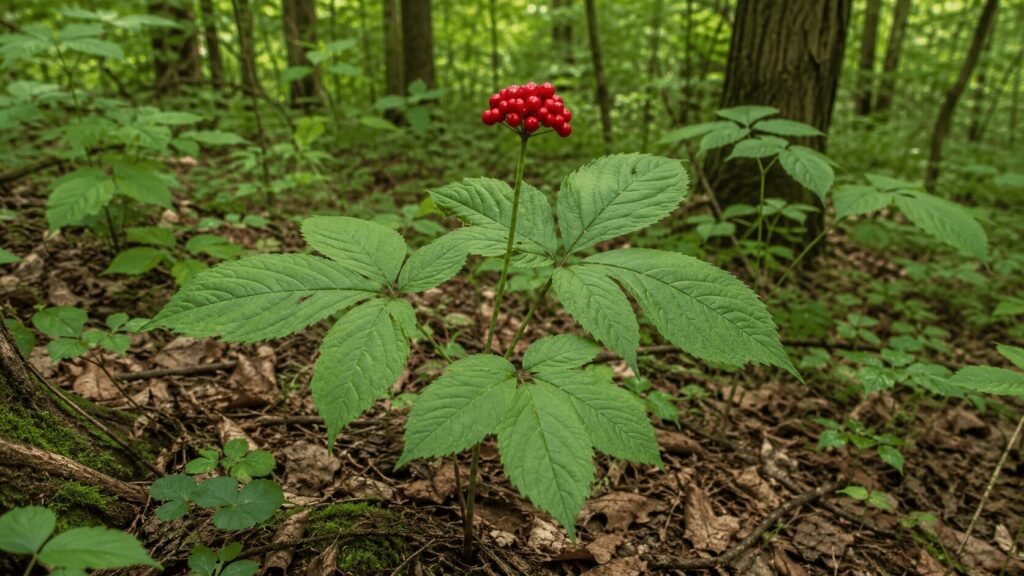
3. American Ginseng (Panax quinquefolius)
Documented traditional use
American ginseng is more than a high-value root in international trade. Historical ethnobotanical records connect it to Cherokee and Meskwaki plant knowledge, including uses described as tonic, respiratory, and digestive support. The Native American Ethnobotany Database is a useful index to those older sources, though its entries should be read as historical records rather than a statement about every community today.
A contemporary Cherokee-authored essay, “Mountain Climber, We Are All Looking for It”, places ginseng within living Cherokee relationships, forced removal, land, and ecological responsibility. That perspective exposes what a capsule label usually leaves out: a culturally important plant can carry familial, political, and environmental meaning as well as commercial value.
What modern research shows
American ginseng contains saponins called ginsenosides. Their profiles differ from those of Asian ginseng (Panax ginseng), so the species should not be treated as substitutes. Small human trials have investigated blood-glucose responses, respiratory illness, memory, and cancer-related fatigue. Some findings are encouraging, but the studies use particular extracts and often involve small samples or short follow-up.
For example, a randomized crossover trial in adults with type 2 diabetes examined a specific American ginseng extract alongside conventional management. Results from one extract do not establish that any root, tea, or supplement will control diabetes (4✓)✓ Trusted ResourcePubMed CentralHighly respected database from the National Institutes of HealthRead source. A clinical overview from Memorial Sloan Kettering Cancer Center characterizes the overall human evidence as limited and product-specific.
The evidence therefore supports continued study, not broad promises about immunity, energy, memory, or blood sugar.
Safety and responsible use
American ginseng can alter the effects of medication. In a small randomized trial, it reduced warfarin’s anticoagulant effect, potentially making the drug less protective (5✓)✓ Trusted ResourcePubMed CentralHighly respected database from the National Institutes of HealthRead source. It may also complicate glucose management when combined with diabetes medicines. People using anticoagulants, diabetes drugs, or other long-term medication should consult their clinician or pharmacist before taking it.
Conservation is equally important. American ginseng is listed in Appendix II of CITES, so international trade is controlled. In Canada, harvesting wild American ginseng is prohibited, and export rules distinguish cultivated material. Avoid wild root of uncertain origin. Prefer legally cultivated or independently verified forest-grown material with a transparent chain of custody.
4. American Cranberry (Vaccinium macrocarpon)
Documented traditional use
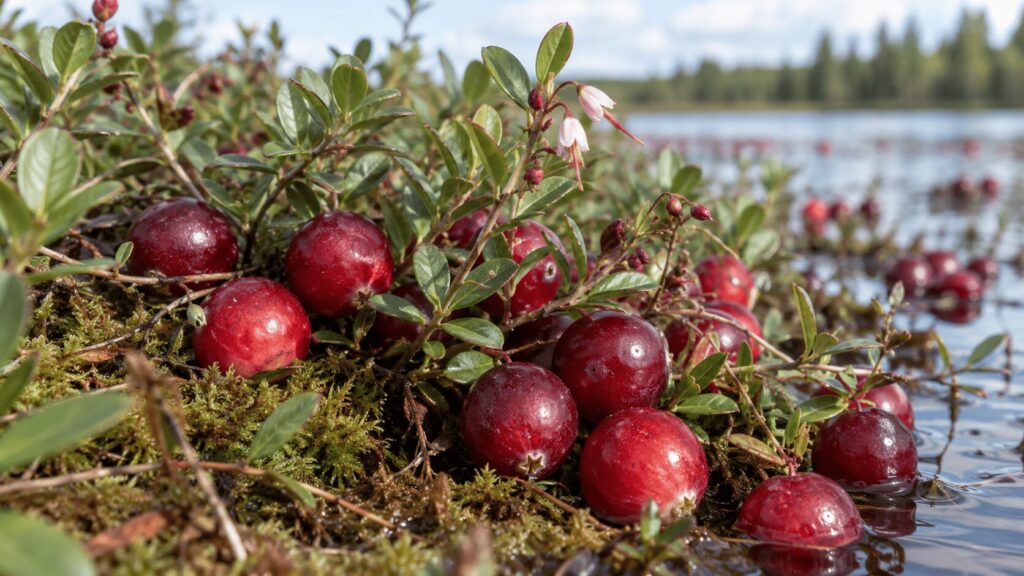
Cranberry is both food and medicine, and separating those roles too sharply can distort its history. North American Traditional Indigenous Food Systems—an Indigenous-led nonprofit known as NATIFS—describes Dakota and Ojibwe people gathering and preserving cranberries, eating them in multiple forms, and incorporating them into culturally important foods such as wasna or pemmican. NATIFS also notes medicinal applications related to urinary and digestive concerns and wounds.
Those uses should not be condensed into the modern slogan “Indigenous people used cranberry for UTIs.” Cranberry’s significance includes food security, seasonal harvesting, ceremony, and relationships with wetland habitats. Modern recurrent-UTI studies ask a much narrower clinical question.
What modern research shows
Cranberries contain proanthocyanidins, or PACs. Laboratory work suggests that certain PACs can interfere with the ability of some bacteria to adhere to urinary-tract surfaces. This is a proposed preventive mechanism, not evidence that cranberry kills an established infection.
Among the plants in this article, cranberry has some of the strongest human evidence for one defined use. A 2023 Cochrane review found that cranberry products reduced the risk of symptomatic, culture-verified urinary tract infections in several susceptible groups, including women with recurrent UTIs and children, while finding little or no benefit in some other populations (6✓)✓ Trusted ResourcePubMed CentralHighly respected database from the National Institutes of HealthRead source. Products and PAC content varied considerably.
NCCIH concludes that cranberry products may lower the overall risk of recurrent symptomatic UTIs in some women by roughly 25 percent, although findings are inconsistent (7✓)✓ Trusted ResourcePubMed CentralHighly respected database from the National Institutes of HealthRead source. Cranberry is not recommended as treatment for an active UTI.
Safety and responsible use
Food amounts are generally well tolerated. Large amounts can cause stomach upset or diarrhea. Evidence about an interaction with warfarin is conflicting, so people who take warfarin should discuss concentrated cranberry products with a health professional. Food use during pregnancy is different from high-dose supplements, for which safety evidence is less conclusive.
Burning urination, fever, back or flank pain, blood in the urine, vomiting, pregnancy with urinary symptoms, or symptoms in a child warrant prompt medical assessment. Delaying treatment can allow an infection to spread to the kidneys. Choose cranberry products by clear ingredient and testing information, not by an unsupported “UTI treatment” claim.
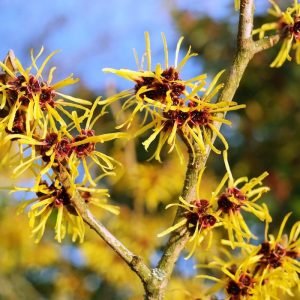
5. American Witch Hazel (Hamamelis virginiana)
Documented traditional use
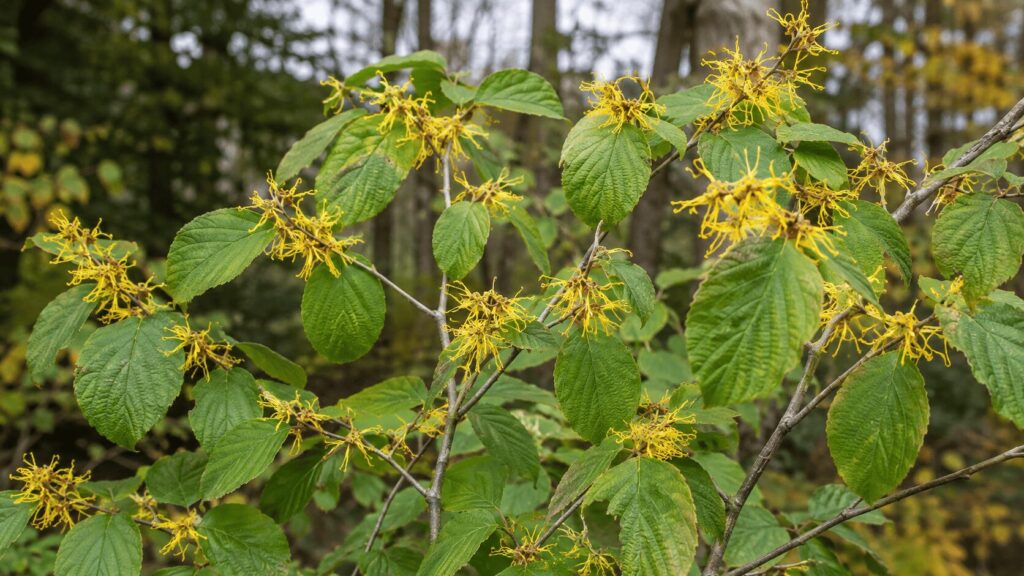
Witch hazel is a shrub or small tree of eastern North America. Historical records associate preparations made from its bark, twigs, or leaves with Mahican, Potawatomi, Ojibwe, Oneida, Menominee, and Haudenosaunee communities, among others. A University of Vermont historical collection describes recorded topical washes and steam applications for cuts, bruises, inflammation, sore muscles, and other concerns.
The specific part and preparation matter. A boiled bark or twig preparation in a historical account is not chemically identical to the clear bottle labeled “witch hazel” in a modern skin-care aisle.
What modern research shows
Witch hazel bark and leaves contain tannins, including hamamelitannin, as well as other phenolic compounds. Tannin-rich extracts can have astringent effects, meaning they can contract proteins at the surface of tissue. Laboratory experiments also report antioxidant and anti-inflammatory activity. These mechanisms are plausible, but they are not a substitute for clinical outcomes.
European herbal monographs recognize certain topical witch hazel preparations on the basis of long-standing traditional use for minor skin irritation and related symptoms. Modern trials are small and formulation-specific. A recent scientific review similarly finds a much larger body of chemical and laboratory work than high-quality human evidence (8✓)✓ Trusted ResourcePubMed CentralHighly respected database from the National Institutes of HealthRead source.
Commercial witch hazel distillate introduces another complication. Distillation can leave little of the tannin content found in bark or leaf extracts, and some products contain alcohol. It is therefore misleading to transfer a result from one extract to every toner, wipe, or distillate.
Safety and responsible use
Topical witch hazel may sting, irritate, or dry sensitive skin, particularly when alcohol is present. Patch testing does not guarantee safety, but it may reveal immediate irritation before wider use. Stop if redness, burning, or swelling develops.
Oral witch hazel use is not supported by comparable safety or effectiveness evidence, and a topical commercial distillate should never be swallowed. Avoid applying it to serious burns, deep wounds, infected skin, or near the eyes. Read the full ingredient list and choose a clearly identified product intended for the body area in question.
6. Yarrow (Achillea millefolium complex)

Documented traditional use
Yarrow’s feathery leaves and clustered flowers occur across much of the Northern Hemisphere. Historical North American records include a Cheyenne infusion for a throat tickle or cough and an Ojibwe poultice application for spider bites, among many other community-specific entries in the Native American Ethnobotany Database. The flowering aerial parts are the material most often described in contemporary herbal monographs.
Botany complicates the story. Achillea millefolium is a variable species complex, and North American populations include native lineages, introduced European lineages, and hybrids. The U.S. Forest Service species account explains why the name “yarrow” alone may not identify the exact plant represented in either a historical record or a commercial preparation.
What modern research shows
Yarrow contains flavonoids such as apigenin and luteolin derivatives, volatile-oil constituents, and sesquiterpene lactones. Laboratory and animal studies have reported antimicrobial, anti-inflammatory, antispasmodic, and wound-related activity. Chemical composition varies by plant population and processing.
The European Medicines Agency’s yarrow monograph treats several uses as traditional rather than clinically established. In practical terms, that means long-standing use and plausibility exist, but robust human trials have not demonstrated that yarrow reliably closes wounds, treats infection, or resolves digestive disease.
The most defensible conclusion is that yarrow has interesting preclinical pharmacology and a substantial ethnobotanical record, while human evidence for specific health outcomes remains limited.
Safety and responsible use
Yarrow belongs to the Asteraceae family and can trigger skin reactions or other allergy symptoms in sensitive people. Safety during pregnancy and breastfeeding has not been established. Different species, chemotypes, and preparations may not share the same risk profile.
Do not place unsterile plant material on a puncture, bite, burn, or infected wound. Such injuries may require cleaning, vaccination review, antibiotics, or other care. Because yarrow has lookalikes and its taxonomy is complex, gardening with accurately labeled nursery stock is safer than gathering a plant based on a photo.
7. Wild Bergamot or Bee Balm (Monarda fistulosa)
Documented traditional use
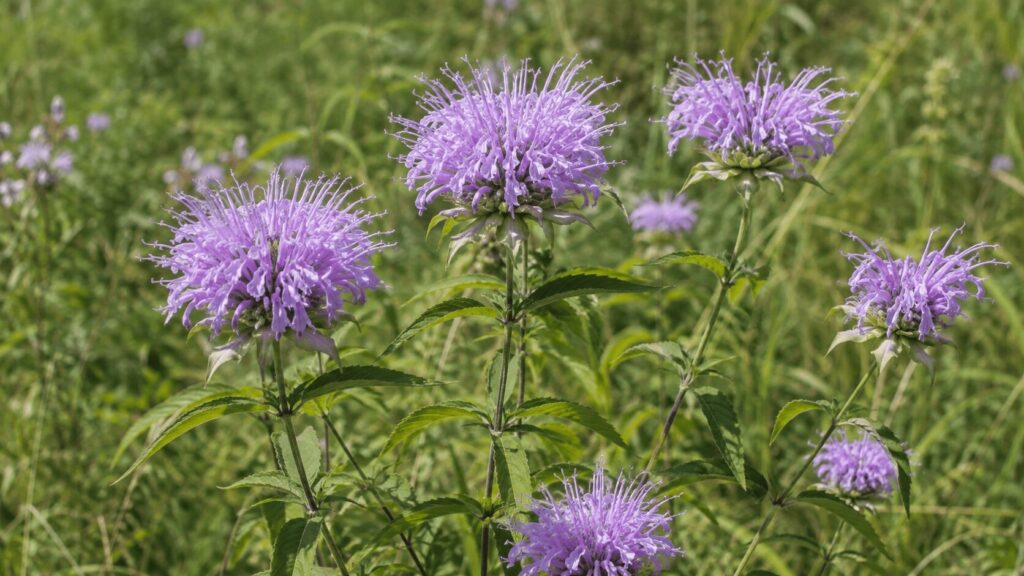
Wild bergamot is an aromatic mint-family plant, unrelated to the citrus bergamot used to flavor Earl Grey tea. A USDA plant guide records distinct uses among several nations. Ojibwe people used leaves in preparations for headaches and colds; Ho-Chunk people used the plant in a sweat bath and inhaled its aromatic vapor for colds; Blackfoot people prepared leaves and blossoms for stomach discomfort and used boiled leaves topically. Tewa people also used the plant as a seasoning.
These examples show why “medicinal” and “culinary” are not always separate categories—and why one plant should not be assigned a single universal use.
What modern research shows
Wild bergamot’s volatile oils may contain thymol, carvacrol, and related aromatic compounds, but their proportions vary. Studies of the essential oil and laboratory extracts have found antimicrobial and anti-inflammatory activity in cells or test systems. Two examples are a chemical and in-vitro analysis (9✓)✓ Trusted ResourcePubMed CentralHighly respected database from the National Institutes of HealthRead source and a laboratory study of Monarda fistulosa extracts (10✓)✓ Trusted ResourcePubMed CentralHighly respected database from the National Institutes of HealthRead source.
No credible body of human clinical trials shows that wild bergamot treats respiratory, digestive, skin, or infectious conditions. A result against microbes in a dish does not establish a safe concentration inside the human body, and it does not show that swallowing an extract improves an illness.
Whole leaves, tea, tincture, and essential oil are also different interventions. Essential oil is far more concentrated than the aromatic plant material described in many food or tea traditions.
Safety and responsible use
Concentrated essential oils can irritate skin and mucous membranes and may cause allergic reactions. They should not be swallowed simply because the source plant has a history of food or medicinal use. Pregnancy, breastfeeding, child use, and medication-interaction data for concentrated wild bergamot products are inadequate.
For garden use, obtain correctly identified M. fistulosa from a reputable nursery and check whether it is locally appropriate. If purchasing a health product, look for the scientific name, plant part, extraction method, and third-party quality testing rather than relying on the vague word “bergamot.”
8. Slippery Elm (Ulmus rubra)
Documented traditional use
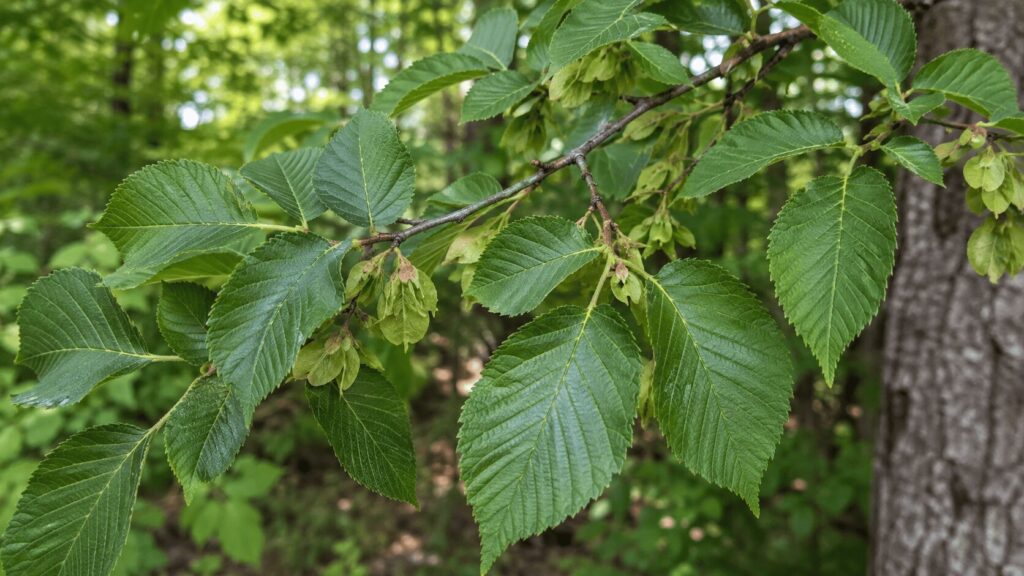
Slippery elm is named for the mucilaginous texture created when its inner bark meets water. Historical entries document Menominee use of the inner bark in a poultice and Omaha use of an inner-bark preparation for digestive purposes. Additional records are indexed in the Native American Ethnobotany Database.
The inner bark—not the rough outer bark—is the material that became popular in lozenges, powders, and mixed herbal formulas. Yet peeling inner bark can severely damage or kill a tree, so plant part is also a conservation fact.
What modern research shows
Slippery elm’s main proposed action comes from mucilage, a mixture of polysaccharides that forms a gel-like material. It may coat and soothe irritated tissue, which is why it appears in products for dry throat or gastrointestinal discomfort. That physical explanation is plausible, but clinical research on Ulmus rubra itself is sparse.
The U.S. National Library of Medicine’s LiverTox monograph reports no large-scale clinical trials and no approval of slippery elm as therapy for a disease or condition (11✓)✓ Trusted ResourcePubMed CentralHighly respected database from the National Institutes of HealthRead source. Studies of multi-herb formulas cannot reveal whether slippery elm caused any observed change. Research involving other Ulmus species should not be relabeled as evidence for U. rubra.
Accordingly, slippery elm may function as a soothing demulcent in some products, but claims that it treats ulcers, inflammatory bowel disease, infection, or other medical conditions go beyond the evidence.
Safety and responsible use
Slippery elm has a relatively reassuring history of use, and LiverTox reports no published cases of liver injury attributed to it. Rare skin allergy symptoms have been described. Its mucilage could theoretically alter how quickly an oral medicine is absorbed, so a pharmacist should review use alongside important medications rather than relying on a universal spacing rule.
Pregnancy and breastfeeding safety data are limited. Persistent difficulty swallowing, severe abdominal pain, gastrointestinal bleeding, or unexplained weight loss needs medical evaluation, not a coating herb.
Sourcing deserves special attention. A USDA Forest Service review of medicinal bark harvesting describes long-term concerns surrounding slippery elm bark supply and tree mortality. Favor cultivated material or suppliers that can document legal, non-destructive management; avoid anonymously wild-harvested bark.
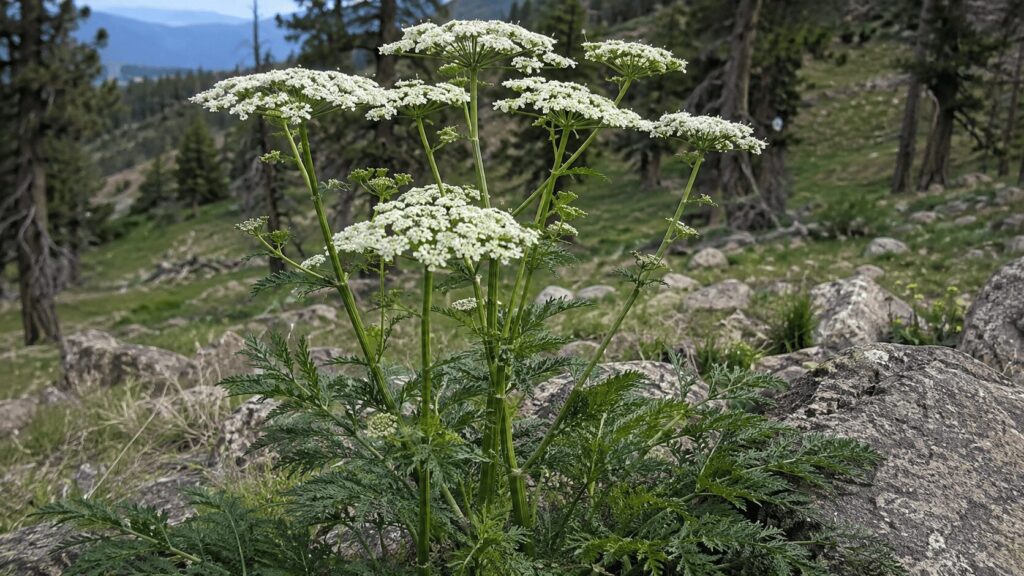
9. Oshá or Bear Root (Ligusticum porteri)
Documented traditional use
Oshá is a high-elevation member of the carrot family found in parts of the southwestern United States and Mexico. A University of Kansas conservation report compiles historical use among Apache, Diné/Navajo, Ute, Zuni, other Pueblo peoples, and Lakota communities, as well as long-standing use in Hispano communities. Roots were documented in preparations associated with sore throat, cough, body aches, and other concerns. The source uses the older spelling “Navaho”; Diné/Navajo is used here.
Some cultural accounts connect oshá with bears, protection, and relationships that cannot be reduced to a list of symptoms. This is a good example of why publishing a formula without its cultural setting can misrepresent the knowledge it claims to celebrate.
What modern research shows
Oshá root contains coumarins, phthalides, flavonoids, terpenoids, and other compounds. The Kansas report describes analgesic and glucose-related findings in mice. A cell study involving leukemia cells found oxidative-stress effects but did not support oshá as a cancer therapy (12✓)✓ Trusted ResourcePubMed CentralHighly respected database from the National Institutes of HealthRead source.
There is no persuasive human clinical evidence that oshá treats viral illness, bacterial infection, diabetes, pain, or cancer. Mouse results can help researchers form hypotheses, but they do not establish human benefit, dose, or safety. The evidence should be described as preliminary and preclinical.
Safety and responsible use
Oshá carries an unusually serious identification risk. It belongs to the Apiaceae family, which also contains highly toxic plants, including poison hemlock. The USDA Agricultural Research Service warns that poison hemlock can be fatal. Do not attempt to identify or harvest oshá from an app, photograph, smell, or casual field description.
Root harvest removes or gravely damages the plant, and commercial demand can pressure slow-growing mountain populations. Human interaction data and pregnancy safety are poorly established. The responsible consumer choice may be not to buy oshá at all unless the seller can demonstrate cultivated or carefully governed sourcing and appropriate community relationships.
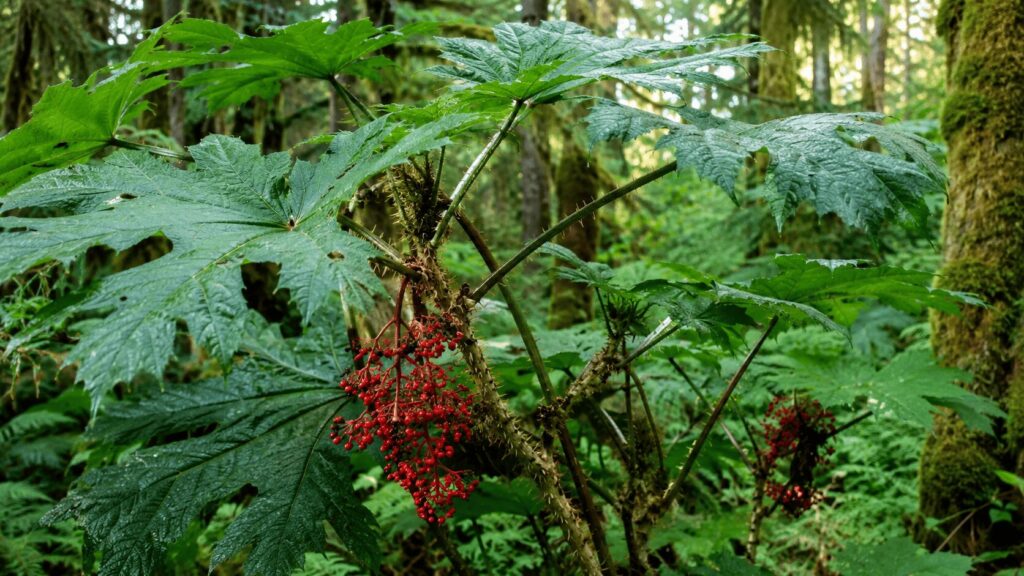
10. Devil’s Club (Oplopanax horridus)
Documented traditional use
Devil’s club is a tall, densely spined relative of ginseng that grows in moist forests of the Pacific Northwest and Alaska. It is an important plant in Tlingit knowledge and is also documented among Haida, Tsimshian, Dena’ina, Gitxsan, Nuu-chah-nulth, Coast Salish, and other peoples within its range. Uses and meanings differ across communities.
A Sealaska Heritage Institute Tlingit curriculum identifies the inner bark as medicinal and explicitly centers Elders and Culture Bearers in teaching plant gathering and preparation. Ethnobotanist Nancy Turner’s historical review documents both physical and spiritual dimensions of devil’s club use. In some communities it has protective, purifying, or sacred significance. Those dimensions should not be mined for marketing copy or converted into a do-it-yourself ritual.
What modern research shows
Devil’s club contains polyynes and other constituents that have shown antibacterial, glucose-related, and anticancer activity in laboratory or animal models. One compound, oplopantriol A, inhibited tumor growth in mice and affected a human colorectal-cancer cell line in a laboratory study summarized by NCCIH (13✓)✓ Trusted ResourcePubMed CentralHighly respected database from the National Institutes of HealthRead source.
That finding does not mean devil’s club prevents or treats cancer in humans. The researchers studied an isolated compound in cells and mice, not a traditional preparation in patients. Reviews of the plant’s pharmacology similarly describe a preclinical evidence base, not established human treatment.
No good human clinical trials demonstrate benefit for diabetes, cancer, infection, arthritis, or another disease. The honest conclusion is that devil’s club is scientifically interesting and culturally important, while its clinical effects remain unknown.
Safety and responsible use
The plant’s many sharp spines can break in skin and cause injury. Some people develop skin reactions, and the safety of internal products—including medication interactions and use during pregnancy or breastfeeding—has not been adequately established.
Do not gather or prepare devil’s club from generic internet directions. Beyond physical risk, harvesting may cross community protocols and strip a culturally meaningful practice from its proper teachers. Learn from public, Indigenous-led educational resources; respect knowledge that is not offered for general use; and do not assume that buying a product labeled “Alaskan ginseng” supports the peoples whose knowledge helped make it marketable.
Traditional use and clinical evidence answer different questions
It is tempting to arrange knowledge on a single ladder with tradition at the bottom and a randomized trial at the top. That model is too simple. Traditional knowledge can include long observation, ecological relationships, language, spiritual responsibilities, and community experience that a clinical trial was never designed to measure. Clinical research can estimate a standardized product’s effect on a defined outcome under controlled conditions. Neither should impersonate the other.
Within biomedical research, however, the evidence type still matters:
- Human systematic reviews and randomized trials can provide the strongest evidence for a specific product, population, and outcome, though poor studies can still produce weak conclusions.
- Observational studies can identify patterns in people but cannot reliably prove that a plant caused the outcome.
- Animal research helps explore biological effects and toxicity, but animal results often fail to translate to humans.
- In-vitro or mechanistic research shows what happens in cells, microbes, or chemical systems under experimental conditions. It does not prove that a person will benefit.
An isolated compound is not the same as a whole plant. A concentrated extract is not the same as a food, tea, wash, or poultice. Even two bottles bearing the same common name may contain different species, plant parts, concentrations, or contaminants. That is why evidence in this article is attached to the studied preparation whenever possible.
Using medicinal plants safely and sourcing them responsibly
“Natural” does not mean harmless, and a long history of use is not a guarantee for every modern product or person. NCCIH’s guidance on dietary supplements notes that supplements may differ from products used in research, can interact with medicines, and often lack adequate testing in pregnant people and children.
Before considering a plant product:
- Look for the accepted scientific name, plant part, extraction method, and complete ingredient list.
- Prefer manufacturers that publish identity, contaminant, and batch-testing information rather than relying on “ancient,” “tribal,” or “wildcrafted” branding.
- Ask whether a root or bark comes from cultivated material and whether collection is legal and ecologically supportable.
- Never ingest an essential oil or topical distillate because the whole plant has a food or tea tradition.
- Do not use a phone app as the sole basis for eating or applying a wild plant. A wrong identification can be fatal.
- Tell your clinician and pharmacist about every supplement you use, especially before surgery or when taking anticoagulants, diabetes medicines, immunosuppressants, or drugs with a narrow safety range.
Supporting Indigenous growers, educators, and Indigenous-owned businesses can be one ethical choice when those people have chosen to offer a product or teaching publicly. It is not a certification by itself, and no single seller represents all Indigenous peoples. Evaluate quality and sustainability without asking a business to perform cultural authenticity for a buyer. Pay for education, credit the source, follow community-specific protocols, and accept that some knowledge or plants are not commodities.
Seek professional care rather than self-treatment for severe or worsening symptoms, suspected infection, breathing difficulty, allergic swelling, persistent bleeding, pregnancy-related concerns, or symptoms in a baby or young child. A culturally safe Indigenous health service, where available and desired, may help a patient integrate community knowledge with clinical care.
A better way to appreciate these plants
The most meaningful lesson is not that North America holds ten neglected substitutes for modern medicine. It is that familiar wellness products have histories, homelands, and relationships that a label rarely reveals.
Cranberry has useful human evidence for preventing some recurrent UTIs, while oshá and devil’s club remain largely in the realm of laboratory and animal research. Echinacea, black cohosh, and American ginseng sit between those poles, with product-specific human findings and significant limitations. Every plant also carries a safety and sourcing story.
Respect begins with precision: name the nation when the source permits, name the species and plant part, state the evidence level, and leave room for living Indigenous knowledge that was never yours to package.
Frequently asked questions
Are traditional Indigenous medicinal plants scientifically proven?
Not as a single category. Each plant, preparation, outcome, and population must be assessed separately. Cranberry has moderate-to-strong human evidence for preventing recurrent UTIs in certain groups, while evidence for wild bergamot, oshá, and devil’s club is mainly preclinical. Traditional use remains historically and culturally meaningful even when a clinical trial has not been conducted.
Are “Native American healing herbs” safe to use with medication?
Some are not, and for many others interaction data are incomplete. American ginseng can alter warfarin’s effect; cranberry-warfarin evidence is conflicting; echinacea may pose concerns with immunosuppressants; and mucilaginous slippery elm may theoretically affect oral drug absorption. A pharmacist or prescribing clinician should review the exact product rather than the common name alone.
What is the difference between a traditional preparation and a standardized extract?
A traditional preparation may use a specific plant part in water, food, a topical application, or another community-defined form. A standardized extract is manufactured to contain a measured amount of one or more marker compounds. Concentration, chemistry, route of use, and cultural setting can all differ. Evidence for one should not be transferred automatically to the other.
Is it ethical to buy or grow plants used in Indigenous medicine?
It can be, but context matters. Growing a legally obtained, nonrestricted native plant in suitable habitat is different from buying an anonymously wild-dug root or reproducing a protected ceremony. Favor cultivated, traceable material; follow conservation rules; seek Indigenous-led public guidance; and support Indigenous growers or educators when they have chosen to share their work.
Can medicinal plants be safely harvested in the wild?
Wild harvesting requires expert identification, landowner or agency permission, knowledge of local law, population assessment, and an understanding of how taking a root, bark, seed, or flower affects regeneration. Oshá has deadly relatives, slippery elm bark harvest can kill the tree, and wild American ginseng is tightly regulated. For most readers, purchasing verified cultivated material—or simply appreciating the plant without harvesting—is safer.
Why name specific Indigenous nations instead of saying “Native Americans used it”?
Because Indigenous peoples are not one culture. Naming the nation preserves accuracy, avoids assigning one community’s practice to everyone, and makes it easier to evaluate the source. When a credible record does not identify a community, the honest choice is to state that limitation or omit the claim.






Leave a Reply