• Skip to primary navigation
  • Skip to main content
  • Skip to primary sidebar
  • Skip to footer
live love fruit logo

Live Love Fruit

Eat Vibrantly. Live Vibrantly

About Start Here Work With Me

  • Home
  • Start Here
  • About
  • Health
  • Remedies
  • Recipes
  • A-Z Conditions
  • Fitness
  • Environment
  • Self Improvement
  • My LLF
  • Shop
Category: > Remedies > Cannabis Compounds Found to Remove Toxic Alzheimer’s Proteins From the Brain

Cannabis Compounds Found to Remove Toxic Alzheimer’s Proteins From the Brain

Mar 5, 2018 Carly Fraser Save For Later Print

Last Updated: Jun 04, 2019

13.7K shares
  • Facebook13.7K
  • Twitter3
  • LinkedIn

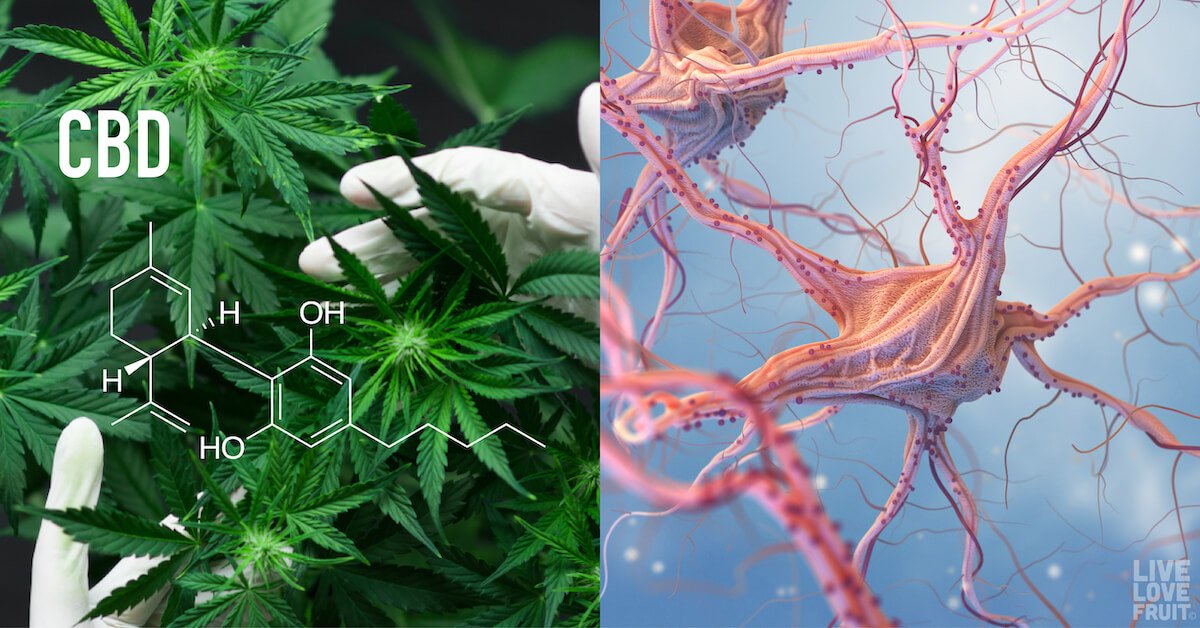
gloved hands holding cannabis with CBD structure on top next to image of neurons

While scientists remain on the quest in finding the root cause of Alzheimer’s disease, patients can finally find some solace in a plant that has been shunned for decades. That’s right – marijuana.

Over the last couple years, studies have found that compounds present in marijuana have the ability to reduce the levels of beta-amyloid in nerve cells – a protein that is a hallmark of Alzheimer’s patients.

This is an important discovery, given over 5.5 million Americans currently live with Alzheimer’s and dementia (1). It is predicted that by 2050, Alzheimer’s disease rates will triple. Identifying an effective treatment for the condition is crucial – and science has been looking at it all along.

The Brain and Cannabinoids

Science has long known that the brain and other organs contain cannabinoid receptors. These receptors are essentially protein molecules that receive signals from various chemicals in the body (such as cannabinoids) that serve as neurotransmitters.

There are different receptors on different types of cells, specific to their purposes.

“Researchers have studied how cannabinoids act on the brain and other parts of the body. Cannabinoid receptors (molecules that bind cannabinoids) have been discovered in brain cells and nerve cells in other parts of the body. The presence of cannabinoid receptors on immune system cells suggests that cannabinoid may have a role in immunity (2).”

Only recently has Western science been exploring the phytochemicals in cannabis and their impacts on human health. However, with cannabis remaining on the Drug Enforcement Agency’s Schedule 1 of prohibited controlled substances, further research on humans is severely restricted.

THC Inhibits Plaque-Forming Alzheimer’s Proteins

A recent study published in the journal Aging and Mechanisms of Disease explored how tetrahydrocannabinol (THC) in marijuana affected neurons implanted with amyloid beta, a toxic protein associated with Alzheimer’s disease. As this protein builds up, it leaves plaques in the nerve cells of the brain.

Studies have suggested these beta-amyloid plaques disrupt communication between neurons in the brain, which leads to symptoms associated with Alzheimer’s, such as impaired memory.

The study, led by senior author Prof. David Schubert of the Salk Institute for Biological Studies in La Jolla, CA, found that increased beta-amyloid production led to increased expression of pro-inflammatory proteins in nerve cells, causing inflammation and nerve cell death.

“Inflammation within the brain is a major component of the damage associated with Alzheimer’s disease, but it has always been assumed that this response was coming from immune-like cells in the brain, not the nerve cells themselves. When we were able to identify the molecular basis of the inflammatory response to amyloid beta, it became clear that THC-like compounds that the nerve cells make themselves may be involved in protecting the cells from dying (3).”

The team of researchers go on to explain that nerve cells in the brain contain receptors that are activated by lipid molecules known as endocannabinoids. These molecules are naturally produced by nerve cells and are thought to aid nerve cell signalling.

Based on this, the researchers decided to test if THC could help prevent nerve cell death. When applied to inflamed cells, THC reduced beta-amyloid levels and eradicated the inflammatory response to the protein, which prevented nerve cell death.

“…these data show that there is a complex and likely autocatalytic inflammatory response within nerve cells caused by the accumulation of intracellular Aβ, and that this early form of proteotoxicity can be blocked by the activation of cannabinoid receptors (4).”

Professor David Schubert stated that “although other studies have offered evidence that cannabinoids might be neuroprotective against the symptoms of Alzheimer’s, we believe our study is the first to demonstrate that cannabinoids affect both inflammation and amyloid beta accumulation in nerve cells.”

Other Compounds in Marijuana Beneficial for The Brain

Cannabis is a complex plant with over 400 chemical entities (5). More than 60 of these chemicals are cannabinoid compounds, some of them with opposing effects.

Cannabidiol (CBD) is a major phytocannabinoid that has also been studied for its effect on the brain, particularly in relation to Alzheimer’s.

A recent study published in the International Journal of Molecular Sciences found that pre-treating stem cells with CBD effectively inhibits the expression of beta-amyloid proteins. This was made possible, as CBD was found to cause a down-regulation of genes linked to Alzheimer’s, including the gene coding that is responsible for the production of amyloid plaques and tangles.

The study, led by neuroscience specialist Rosaliana Libro, found that pre-treating cells with CBD effectively modified the panel of genes that are correlated to the cause of Alzheimer’s disease. By interacting with the vanilloid receptor 1 (TRPVI), CBD down-regulated a collection of genes that are related to the production of tau. CBD pre-treatments also modified the genes involved in the production of beta-amyloid.

“In conclusion, this preliminary in vitro study has demonstrated that [stem cells] preconditioned with CBD have better therapeutic potential compared to [control stem cells], and we believe that their transplantation in the early stage of [Alzheimer’s disease] may play a role in preventing or attenuating the disease onset,” Libro concluded in the study.

These findings are encouraging, given there are no effective therapies to date that counteract the formation of tau or beta-amyloid plaques. CBD is a non-psychoactive cannabinoid found throughout the seeds, stalk and flowers of cannabis plants. Seeing as how CBD and THC prove beneficial for those dealing with Alzheimer’s disease, those who wish to not “get high” and receive the same effects could stick with CBD strains only.

What do you think about using medical marijuana to treat Alzheimer’s and dementia symptoms? Share your thoughts with us in the comments below!
cannabis with white outline box in the middle with brain and neurons with text - cannabis compounds found to remove toxic alzheimer's proteins from the brain

13.7K shares
  • Facebook13.7K
  • Twitter3
  • LinkedIn

Filed Under: Herbs & Spices, Remedies Tagged With: CBD for alzheimer's, marijuana benefits, marijuana for alzheimer's, THC for alzheimer's

Carly Fraser

About the Author

Carly Fraser has her BSc (Hons.) Degree in Neuroscience, and is the owner and founder at Live Love Fruit. She currently lives in Winnipeg, Manitoba, with a determined life mission to help inspire and motivate individuals to critically think about what they put in their bodies and to find balance through nutrition and lifestyle. She has helped hundreds of thousands of individuals to re-connect with their bodies and learn self-love through proper eating habits and natural living. She loves to do yoga, dance, and immerse herself in nature.

View Profile

Reader Interactions

Related Posts

  • Increase Brain Power with these 5 Brain-Boosting Smoothies
  • Brain made out of fruits and vegetables isolated on white background
    Boost Your Brain Power with these 8 Healthy Brain Foods!
  • Top Scientists Unlock New Medical Marijuana Benefits
  • Artificially Colored MRI Scan Of Human Brain
    Enhance Your Memory With These Top 5 Brain Foods
  • Here Are 6 Tasty Recipes You Can Make With Cannabis
  • Conceptual medical illustration showing how ultra-processed junk food affects the brain. Semi-transparent human head with visible brain anatomy, dark background. Inside the brain: generic, unbranded junk food items (chips, cookies, candy, soda cups) floating or embedded within brain regions associated with reward and dopamine signaling. Brain areas glow in bright orange and red tones to suggest overstimulation and addiction pathways, while surrounding brain tissue remains cool blue.
    How Junk Food Changes our Brain Chemistry and Makes us Addicted
  • How Cannabis Cleans Up The Earth From Nuclear Radiation and Toxic Chemical Waste

Comments

  1. Terri D Hale says

    Nov 22, 2020 at 7:43 pm

    I’m learning about cannabis in Medical Cannabis Course

    Reply
  2. t. clark says

    Aug 28, 2022 at 6:14 pm

    how much would you need to consume? How do you find a good cbd ? so many are deluted or fake anymore.

    Reply
    • Carly Fraser says

      Nov 29, 2022 at 4:00 pm

      Rya Organics is a pretty great brand: https://ryaorganics.com/collections/all-products

      Reply
  3. Hemp Fairy says

    Feb 5, 2023 at 9:29 pm

    There’s not CBD in the seeds, just the leaves, stems, and roots. Hemp oil is made from the seeds. Don’t get them confused because they don’t have the same effect. Full spectrum is superior to isolate for most cases.

    Reply
  4. Sarfraz Nadeem says

    Sep 13, 2023 at 10:04 pm

    THC is the main agent to cure, don’t worry about getting “high”, it is not toxic high but only sleep, rather good sleep. Remember you have to increase the dose gradually to a certain level when it actually starts working and maintain that level for its effectiveness, getting “high” will go away with time while you maintain that certain level.

    CBD is the preventive agent that helps in preventing the disease from coming back and have no issue of getting high whatsoever. Don’t get confused with the Hemp oil and also it is extracted from leaves, stems, etc. but not seeds.

    Reply

Leave a Reply Cancel reply

Your email address will not be published. Required fields are marked *

Primary Sidebar

Free Ebook

Success! Please check your inbox to download your FREE eBook.

Reduce Chronic Inflammation Naturally!

The Ultimate Guide to Fight Inflammation and Restore Your Health!

21 Ways to Reduce Chronic Inflammation

Recent Posts

Glow salt lamp, dark vintage wooden background, selective focus

Fake Himalayan Salt Lamps: What You Need To Know

foods that cause gout flare ups

10 Foods That Cause Gout Flare Ups

Conceptual health image combining nutrition and human anatomy. A realistic bowl of fresh leafy greens (spinach) on a rustic wooden surface, photographed in soft natural light. To the right, a semi-transparent blue human anatomical figure with visible internal organs and circulatory system highlighted in red at the chest and upper torso.

25 Magnesium-Rich Plant Foods and Why You’re Probably Magnesium Deficient

Ultra-realistic food and wellness photography, natural daylight. Clear glass mason jar filled with a warm golden-orange homemade tonic, slightly cloudy liquid, realistic texture. Ingredients arranged naturally around the jar on a rustic wooden kitchen surface: fresh ginger root slices, fresh turmeric root, lemon halves and slices, ground cinnamon and cinnamon sticks, cayenne pepper powder, small bowl of maple syrup, unbranded glass bottle of apple cider vinegar with label turned away, and a clear glass of water. Soft steam rising gently from the drink.

This Ginger Lemon Tonic Supports Natural Detox Pathways in the Lymph, Colon, and Bladder

Fresh Medjool Dates in bowl. Grey wooden background. Close up.

10 Amazing Health Benefits of Dates (and Why You Need To Start Eating Them!)

Panic Attacks and Anxiety Linked To Low Vitamin B6 and Iron Levels

Popular Posts

bowl of cereal being sprayed with pesticide

Glyphosate in Food: Complete List of Products and Brands Filled with Dangerous Weed-Killer

Man spraying pesticides on tea plants with other side of image showing dry loose tea bags

Pesticides in Tea: Is Your Favorite Tea Contaminated with Harmful Chemicals?

Monsanto’s Harmful Chemical Glyphosate Found In 100% Of California Wines Tested

whole dandelion plant with flowers and roots on cutting board on a table

Dandelions Are Not Weeds! Top 10 Health Benefits of Dandelion

A brightly lit store shelf filled with colorful baby care bottles in pastel and vibrant shades of yellow, teal, blue, pink, and white. All bottles are unbranded with smooth, generic shapes and blank labels. The liquids inside are glossy and translucent, giving a polished retail look. The scene is sharp and high-resolution with shallow depth of field, realistic reflections, and clean packaging. Subtle unease added by one bottle faintly cracked and leaking a dark liquid, contrasting with the cheerful colors.

Johnson & Johnson Finally Admits: Our Baby Products Contain Cancer-Causing Ingredients

10 Plants That Attract Dragonflies for Mosquito Control

companion planting chart

Use This Companion Planting Chart to Help Your Garden Thrive

France Bans Neonicotinoid Pesticides

France Bans All Five Neonicotinoid Pesticides Linked to Bee Deaths

A powerful, photorealistic underwater scene showing a large whale swimming slowly through a dark blue ocean filled with floating plastic waste such as bottles, bags, fishing nets, and debris. The whale appears weakened and distressed, with plastic tangled around its body.

Whales Dying From Plastic Pollution Are a Grave Reminder to Give Up Our Addiction to Plastics

illustrated piriformis muscle showing trigger points and radiating pain

How To Get A Deep Piriformis Stretch To Get Rid of Sciatica, Hip & Lower Back Pain

RECOMMENDED

Cymbiotika B12
Cymbiotika the omega
Cymbiotika D3+K2+CoQ10
Cymbiotika coated silver

Thank you! Please check your inbox to confirm your subscription!

Want to reduce inflammation and restore your health?

Join Live Love Fruit and we'll show you how!

Footer

Stay Connected!

Follows
  • 316k Followers
  • 1.9k Followers
  • 138k Followers
  • 696 Followers
  • 11.3k Followers
  • Home
  • About
  • Start Here
  • Write For LLF
  • Contact

Any medical information published on this website is not intended as a substitute for informed medical advice and you should not take any action before consulting with a healthcare professional.
Content on Live Love Fruit may not be reproduced in any form.
Ads provided by AdThrive. Displayed ads do not constitute endorsement or recommendation by Live Love Fruit.

Copyright © 2012 - 2026 Privacy Policy | Terms of Service | Full Disclaimer | Affiliate Disclosure

13.7K shares
  • 13.7K
  • 3