
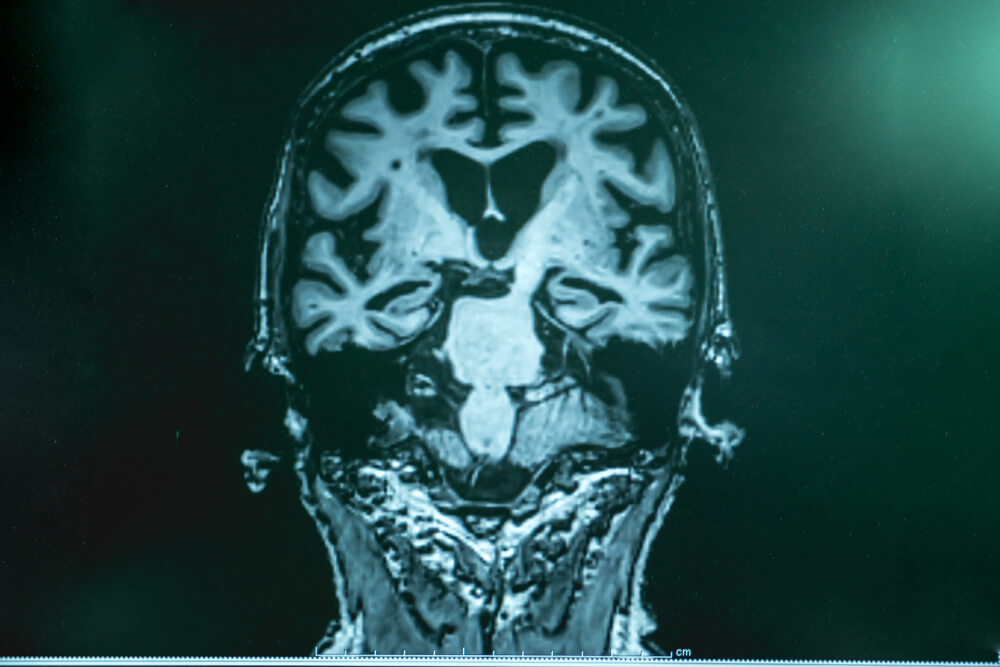
Alzheimer’s kills more people than breast cancer and prostate cancer combined, being the sixth leading cause of death in the United States (1).
Alzheimer’s affects many people over the age of 65, and these individuals usually suffer in silence as a result of so many people being hesitant to accept their disease because of the stigma attached to it.
The medical community often puts a emphasis on slowing the progression of Alzheimer’s with drugs and therapy, however, if more people knew that they could prevent dementia with simple changes in lifestyle, they’d be more willing to do so.
What Is Dementia?
Dementia is a general term for a set of symptoms that are caused by disorders affecting the brain (2).
It is characterized by the impairment of at least two of these mental functions:
– Memory
– Communication and language
– Ability to focus and pay attention
– Reasoning and judgement
– Visual perception
Dementia is a progressive illness, meaning that symptoms usually get worse as more brain cells become damaged and eventually die. This affects thinking, judgment, movement, behaviour and feelings. It may start with forgetting where you placed your keys, and can turn into forgetting your relatives or forgetting to eat.
Risk factors for dementia include (3):
– High blood pressure
– Obesity
– Depression
– Cognitive inactivity
– Physical inactivity
– Diabetes
– High cholesterol
– Certain medication
– Poor diet and vitamin deficiencies
– Alcohol use
– Impaired thyroid function
– Head injuries
– Smoking
– Old age
– Family history of Alzheimer’s disease
If you fall into any one of the categories above, you may want to take steps in preventing Alzheimer’s now, instead of dealing with the consequences later.
Dementia vs. Alzheimer’s
Alzheimer’s is the most common form of dementia, accounting for 60-80% of cases.
Other varieties of dementia include (4):
– Vascular dementia
– Dementia with Lewy bodies (DLB)
– Mixed dementia
– Parkinson’s disease
– Frontotemporal dementia
– Creutzfeldt-Jakob disease
– Normal pressure hydrocephalus
– Huntington’s disease
– Wernicke-Korsakoff syndrome
– Posterior cortical atrophy (PCA)
Early symptoms of Alzheimer’s vary a great deal, but may include memory loss that affects day-to-day function, difficulty performing familiar tasks (like not being able to prepare a meal), confusion about time and place, problems with language (sentences that are difficult to understand), problems with abstract thinking (not knowing what numbers mean), or problems with misplacing things.
Alzheimer’s is characterized by beta-amyloid deposits in the brain, twisted strands of the protein tau, as well as nerve cell damage and death (5).
Habits of People Who Prevent Dementia
People who regularly do the following have a lower risk of developing cognitive decline.
1. Don’t Smoke
According to one study, smoking was associated with a doubling of the risk of dementia and Alzheimer’s disease (6). There seems to be an interaction between smoking and APOE∊4 genotype in the aetiology of Alzheimer’s disease. Also the fact that smoking contributes to oxidative stress and inflammation, which highly affects the brain.
According to WebMD: “…smoking more than two packs of cigarettes daily from age 50 to 60 increases risk of dementia later in life (7).” They later go on to say that former smokers, or individuals who smoked less than half a pack a day, had almost no risk of developing dementia.
2. Stay Physically Active
Study after study has found that staying physically active is one of the most effective ways of protecting from Alzheimer’s disease. People who exercised at least three times a week for a minimum of 15 to 30 minutes were less likely to develop Alzheimer’s disease, even if the disease ran in their families (8).
Exercising boosts oxygen and nutrient circulation to your brain and helps prevent risk factors like diabetes, high blood pressure, and more.
Exercise moderately at least 3 times a week and move around t least 30 minutes a day. You don’t need to go hardcore in your exercise – going for a walk, swimming, and cycling are all great ways to get in some much-needed activity.
3. Keep Socially Active
According to the Rush Alzheimer’s Disease Centre in Chicago, frequently spending time with others (such as being apart of a book club or visiting family), will lower your rate of cognitive decline by 70% (9).
Humans are naturally social creatures, and too much isolation can wear down your brain. To prevent isolation, sign up for a new cooking class, get in touch with old friends, or make new friends by becoming apart of community gatherings.
4. Keep Alcohol Intake To A Minimum
Drinking too much alcohol can cause alcohol-related brain damage (ARBD), contributing towards Wernicke-Korsakoff syndrome and alcoholic dementia. Since both conditions are reversible if alcohol intake is gradually reduced, they are not truly classified as full-fledged dementia. However, your risk of Alzheimer’s disease and vascular dementia do go up with excessive drinking (10).
5. Prevent Head Injuries
Head trauma and Alzheimer’s have a very tight connection to one another. Injuring your head can cause short-term dementia-like symptoms, like confusion, memory loss, and changes in speech, vision and personality. If head trauma causes unconsciousness for 30 minutes or longer, your risk of developing dementia later in life significantly increases (11).
If you’re doing any kind of activity that warrants helmet use, don’t refrain from using one.
6. Exercise The Brain
If you’re not challenging your brain to learn new things, it starts to slow down and deteriorate. A variety of different studies have found that stimulating the brain reduces ones chances to develop dementia, in some cases over 21 years, compared with those who did so less often (12).
There are many different ways you can stimulate the brain. You can learn a new language (Duolingo is a great website to learn different languages), read books, play board games, practice musical instruments, or do a crossword puzzle. These will all help encourage the growth of new brain cells and connections between them.
7. Get Out In The Sun
Over 40% of the US population has a vitamin D deficiency – a vitamin that is produced by your body when your skin is exposed to direct sunlight. It is crucial for good mental health and cognitive function, and individuals who are severely deficient in vitamin D are twice as likely to develop Alzheimer’s and dementia than those who have adequate levels (13).
To get plenty of vitamin D each day, walk outside and expose your skin without sunscreen for at least 15-30 minutes each day.
8. Eat Antioxidant-Rich, Anti-Inflammatory Foods
The foods you eat will determine whether your brain health flourishes or declines. The diets that support brain health are often those that are rich in plant-based foods, and low in highly processed foods.
Reducing your consumption of red meat, butter, margarine, cheese, sweets and desserts, fried food and fast food, and replacing them with leafy greens, vegetables, nuts and seeds, fruit (especially berries), olive oil, and dark chocolate can significantly improve brain health and keep cognitive decline to a minimum.
9. Get Enough Sleep
I cannot stress this point enough. Getting enough sleep is crucial for healthy brain function and for reducing tissue loss. One study in the journal, Sleep, found that just one night of sleep deprivation was associated with loss of brain tissue (14), which, over time, can lead to dementia or Alzheimer’s.
You want to aim for at least 8-9 hours of sleep every night. Dim the lights before bed, get off any electronics at least 1 hour before sleep, make sure your room is completely dark (and not too warm), and engage in regular exercise.
10. Keep A Check On Your Numbers
Keeping track of your numbers, and monitoring your weight, blood pressure, and cholesterol can help you see where your numbers are at, and whether you need to change something about your diet and lifestyle. Going for a blood test from your doctor would be a great place to start, but if they try to push any pills on you, beware of the dangers of statins and understand that most blood numbers can be changed simply by a change in diet and lifestyle stressors.








Leave a Reply