

You might have been hearing a lot about turmeric as of late, but how to consume it? This turmeric tonic is all you need to ensure adequate absorption, all the while keeping it delicious and fresh!
What is Turmeric?
Turmeric, scientifically known as Curcuma longa, is a root plant belonging to the ginger family. It is primarily found in Southeast Asia and has been used in traditional medicine for thousands of years, especially in Ayurvedic and Chinese healing practices. The root has a distinctive yellow color, which is due to the presence of curcumin – the bioactive compound responsible for most of its health benefits. Turmeric has a warm, bitter flavor and is commonly used in curries, soups, teas, and even smoothies for its flavor and medicinal properties.
The compound curcumin has been studied extensively for its health-promoting properties, particularly for its ability to reduce inflammation, fight oxidative stress, and act as an antioxidant. It is also known to have antimicrobial, antiviral, and antifungal properties, making it a versatile and powerful ingredient in both food and medicine.
One of the most compelling aspects of turmeric is its ability to support overall health by promoting a healthy inflammatory response. Inflammation is a natural defense mechanism that helps the body heal, but when it becomes chronic, it can lead to various health problems, including autoimmune diseases, heart disease, and cancer. By incorporating turmeric into your diet, you can help modulate the inflammatory process, preventing it from getting out of control and reducing the risk of chronic conditions
Turmeric and Cancer Studies
Cancer is one of the leading causes of death worldwide, and it’s no secret that finding effective ways to prevent and treat cancer is a major focus of scientific research. While there is no single food or supplement that can guarantee protection against cancer, turmeric – specifically its active compound curcumin – has been studied for its potential to reduce the risk of cancer development and progression.
Several laboratory and animal studies have shown that curcumin can inhibit the growth of cancer cells and prevent the spread of tumors. Curcumin has been found to have a multifaceted effect on cancer, targeting various pathways involved in cancer cell proliferation, inflammation, and metastasis. It has been shown to suppress tumor growth in a variety of cancers, including breast, colon, liver, and prostate cancers.
Turmeric contains the active ingredient, curcumin, which prevents the formation of cancer-causing enzymes, and therefore reduces the risk of cancerous cell-formation and cell growth. The mechanism of action works where by curcumin inhibits the activity of the enzyme Topoisomerase, which is essential in the replication of cancer cells. Turmeric literally limits the ability of cancer cells to spread to other parts of the body, and starves them of nutrients inhibits their growth.
Mechanisms of Action in Cancer Prevention
1. Anti-inflammatory Properties
Chronic inflammation is a key driver of cancer. Inflammatory cytokines can activate signaling pathways that promote cancer cell growth, survival, and metastasis. Curcumin’s anti-inflammatory effects are believed to be one of the primary mechanisms by which it may help prevent cancer. By inhibiting the activity of inflammatory molecules like NF-kB and COX-2, curcumin can reduce inflammation in the body and disrupt the processes that lead to tumor development.
2. Antioxidant Effects
Curcumin is also a potent antioxidant, meaning it can neutralize free radicals in the body. Free radicals are unstable molecules that can cause damage to DNA, proteins, and lipids, contributing to cancer cell formation. By scavenging these free radicals, curcumin helps protect cells from oxidative stress and DNA damage, which are common triggers for cancer.
3. Gene Regulation
One of the fascinating aspects of curcumin is its ability to modulate gene expression. Research has shown that curcumin can activate genes that promote cell death (apoptosis) in cancer cells while simultaneously inhibiting genes that allow cancer cells to survive and proliferate. This makes curcumin an effective agent in inducing the self-destruction of abnormal or cancerous cells.
4. Inhibition of Angiogenesis
Angiogenesis is the process by which new blood vessels form, which is crucial for tumor growth and metastasis. Curcumin has been shown to inhibit angiogenesis by targeting various molecular pathways that stimulate blood vessel formation in tumors. This helps starve the tumor of nutrients and oxygen, preventing its growth and spread.
5. Inhibition of Metastasis
Metastasis is the spread of cancer cells to other parts of the body, and it is one of the main reasons why cancer is so deadly. Studies have suggested that curcumin may prevent metastasis by disrupting the signaling pathways that allow cancer cells to invade surrounding tissues and migrate to distant organs.
Clinical Studies and Evidence
While much of the research on curcumin and cancer prevention has been conducted in the lab or in animal models, several human clinical trials have also investigated its potential. For example, a study published in the Journal of Clinical Oncology in 2007 found that curcumin supplementation could significantly reduce the risk of developing colon cancer in individuals with precancerous lesions. Another clinical trial conducted in 2018 found that curcumin combined with chemotherapy was more effective in reducing tumor size in patients with advanced pancreatic cancer compared to chemotherapy alone.
Although the evidence is promising, it is important to note that curcumin’s bioavailability – how well the body can absorb and utilize it – is relatively low. However, studies suggest that combining turmeric with black pepper (which contains piperine) can enhance curcumin’s absorption by up to 2,000%, making it more effective.
Turmeric Tonic To Prevent Tumor Growth
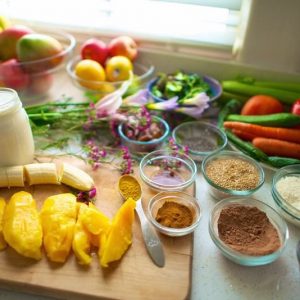
Ingredients:
– 4 inches fresh turmeric root (grated)
– 2 inches fresh ginger root (grated)
– 1 cup freshly made coconut milk
– 2-3 black peppercorns
– 1/2 tsp. vanilla bean powder
– 1/2 tsp. cardamom seeds
– 1/4 tsp. ground cloves
– 1/2 tsp. fresh cinnamon
– 1 tbsp. raw, unpasteurized, ethically sourced honey (alternatively, you can blend in a medjool date or two at the end)
Method:
1. Put coconut milk, black peppercorns, turmeric, ginger, cardamom, ground cloves and cinnamon into a pot. Heat on the stove lightly, but not hot enough that it burns your finger.
2. Take off the stove, stir in vanilla, put on a lid, and let sit for 1 hour.
3. Strain into a large glass mason jar, stir in 1 tbsp. honey, and enjoy!






[…] Source: http://www.livelovefruit.com […]