
We hear the term cannabinoid thrown around a lot now that marijuana legalization is on the rise – but did you know that there are many different types of cannabinoids found in over 8 non-marijuana plants?
What Are Cannabinoids?
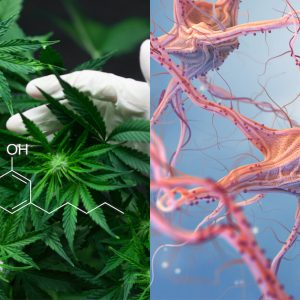
A cannabinoid is a naturally occurring compound found in plants, most notably the Cannabis Sativa plant. Of the 480 compounds found in cannabis, 66 of those are considered cannabinoids (1). Cannabinoids are lipid-based molecules that all act to some degree on the cannabinoid receptors, which are a primary component of the endocannabinoid system.
There are three types of cannabinoids, summarized below:
- Phytocannabinoids: cannabinoids produced by plants.
- Endocannabinoids: cannabinoids produced within the body of humans and animals.
- Synthetic Cannabinoids: cannabinoids produced in a laboratory.
The most commonly referred to cannabinoids (the “classic cannabinoids”) include THC, CBD, THCV, and CBC. The major difference between the cannabinoids is the extent to which they are psychologically active. CBD makes up around 40% of Cannabis resin, and THC is the only plant cannabinoid that produces a clear psychological effect on its own (2).
Then there are the cannabinoid receptors, CB1 and CB2. In the last few years, several other non-cannabinoid plant constituents have been reported to bind to and functionally interact with these CB receptors (3).
Health Benefits of Cannabinoids
The medical health benefits of cannabinoids are promising. Research suggests that cannabinoids have the ability to (4):
- Reduce anxiety
- Reduce inflammation and relieve pain
- Control nausea and vomiting caused by chemotherapy
- Kill cancer cells and slow tumor growth
- Relax tight muscles in those with multiple sclerosis
- Stimulate appetite and improve weight gain in people with cancer and AIDS
I purchased CBD oil from Nelson Potorium when I was out in British Columbia and tried it out for a couple of months whenever I experienced pain or anxiety. While I don’t experience these two symptoms very often, when they do come up, I noticed that the CBD oil helped dramatically. It did make me feel a little tired, however, and so I would advise you to not take it if you plan on needing a lot of energy to get through the day.
8 Non-Cannabis Plants That Contain Cannabinoid-Like Compounds
1. Echinacea (Echinacea purpurea)
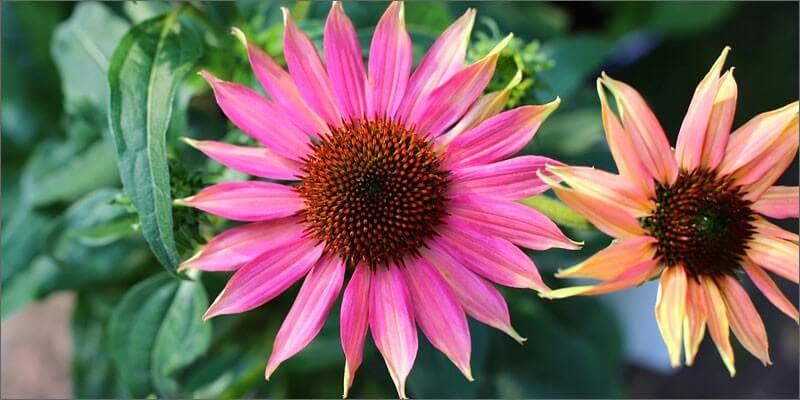
This immune-boosting plant is also used to relieve anxiety, fatigue, migraines, and arthritis. Echinacea is a bit different than cannabis because it uses cannabimimetics instead of cannabinoids to engage the endocannabinoid system. Cannabimimetics are a set of non-classical cannabinoids that mimic the biological activity of classical cannabinoids (despite not sharing their structure). The N-alkyl amides (NAAs) in echinacea are responsible for regulating the immune system, pain, and inflammation (5).
2. Black Pepper (Piper nigrum)
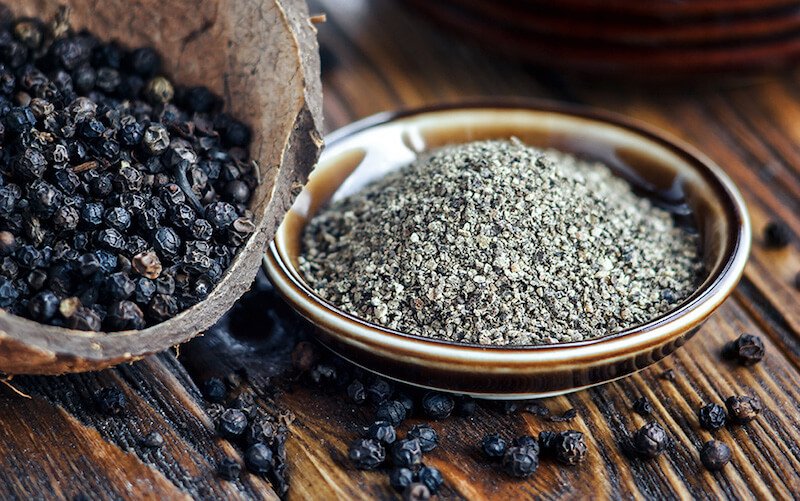
Black pepper contains high levels of a terpene called beta-caryophyllene (BCP). This is what gives black pepper (and some cannabis strains) its peppery taste and aroma. BCP also functions as a cannabinoid and has a binding affinity with the CB2 receptor. Research suggests that the anti-inflammatory compounds of this terpene make it suitable for treating conditions like arthritis and osteoporosis (6).
3. Flax Seeds (Linum usitatissimum)

Very recently it was discovered that flax (linen) seeds produce cannabinoid-like compounds very similar to CBD, which appear to have very similar anti-inflammatory effects (7). The study that discovered this also found that the industrial process of fabric production from flax seeds (linen) does not affect CBD activity. These findings suggest new medical applications for flax products, especially for the fabric as a material for wound dressing with anti-inflammatory properties.
4. Cacao (Theobroma cacao)

Aside from providing the body with a giant dose of magnesium, cacao also contains several different “happy brain” chemicals like theobromine, phenylethylamine, tryptophan, and anandamide. Cacao affects the endocannabinoid system by deactivating the enzyme called FAAH. This enzyme breaks down the endocannabinoid known as anandamide. Research has dubbed anandamide as the body’s natural version of THC (8). Hence, why you feel relaxed and happy after eating some delicious dark chocolate.
5. Black Truffles (Tuber melanosporum)
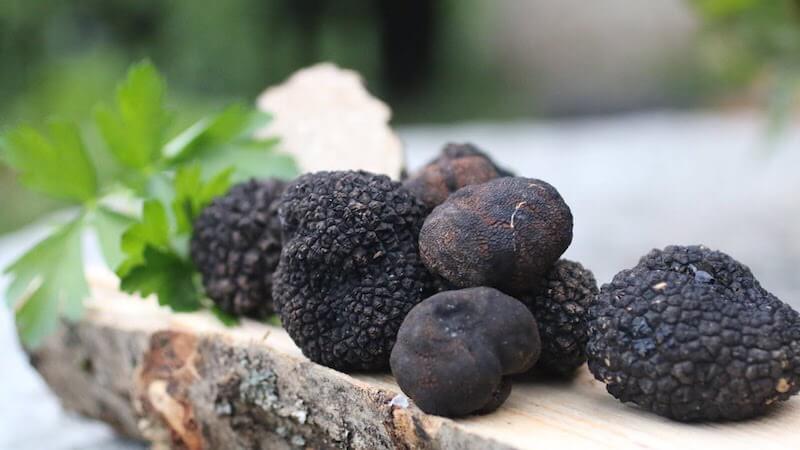
Researchers have found that black truffles create the same anandamide (aka. “bliss molecule”) as cannabis, and cacao (9). As mentioned above, anandamide is an endocannabinoid naturally produced by the body that regulates mood and pain perception by binding to the CB1 receptor.
6. Liverwort (Marchantiophyta)

A plant indigenous to New Zealand, the liverwort, produces an unusual type of cannabinoid (called perrottetineinic acid) that is very closely related to THC. This cannabinoid has been known to treat bronchitis and alleviate problems with the gallbladder, liver, and bladder (10).
Never take liverwort fresh – always ingest via infusion or an extract of the herb. Dosage should never exceed 3.8 grams of dried herb (around 4 teaspoons of a 3-6 percent infusion) (11).
7. Helichrysum (Helichrysum umbraculigerum)

This daisy, native to South America, has strong mood-stabilizing and anti-depressant properties due to high concentrations of cannabigerol (CBG) present in the plant. Not surprisingly enough, CBG is also found in the cannabis plant.
The best way to take advantage of this plant is by using it as an essential oil. Try diffusing it, apply it to the skin, or add it to your bath.
8. Chinese Labrador (Rhododendron anthopogonoides)

Labrador, which grows extensively across North America is one of the most antimicrobial plants on the planet. According to research, the essential oil extracted from Chinese Rhododendron can kill anything from staph infection to cancer cells (12).
A 2011 study found that “Two new cannabinoid-like chromane and chromene derivatives named anthopogocyclolic acid and anthopogochromenic acid and five related compounds are known as synthetic analogs of cannabinoids: cannabichromene (CBC) type, cannabicyclol (CBL) type, and cannabicitran (CBT) type have been isolated together with geranyl orsellinic acid from the Chinese medicinal plant Rhododendron anthopogonoides (13).”
Resources:
https://www.marijuana.com/news/2017/05/9-plants-that-contain-therapeutic-cannabinoids/
https://sensiseeds.com/en/blog/did-you-know-that-other-plants-produce-cannabinoids-too/
https://herb.co/marijuana/news/non-marijuana-plants-contain-cannabinoids






I have an under active thyroid and am on levothyroxine medication. I'm wondering what's are the best foods and supplements I can take because I'd like to come off my medication. Any ideas truly welcome
Hey Melanie, please check out my article on the thyroid here: https://livelovefruit.com/heal-your-thyroid-naturally/
Hi Carly I have pain on my shoulders, hips and lower back!i also get cramps on my legs and feet! What am I lacking or would help?
Anything could be contributing to this, really. Make sure you're eating lots of anti-inflammatory foods, doing daily stretches and taking 300-400mg of magnesium bisglycinate (in the night) daily.
No mention of Copaiba
Yes! That’s another great one 🙂
Hi there-
I so enjoyed this article, but felt the need to post a disclaimer when sharing it on social media. The disclaimer is in regards to the last plant you note, (one that falls in this grouping of plants: https://en.wikipedia.org/wiki/Labrador_tea?fbclid=IwAR3FGk5LaJjpRmESXe_RyDCLR5gUGpQEoL3gge99z6X3r_pMjFMVGpQVCtQ )
In the US, we call a different, fairly toxic, plant Rhododendron commonly. It is very much not recommended for teas. I’m concerned that, because you did not include the scientific name in your mention of this plant, that someone will confuse the plants and ingest something toxic. Would you please consider updating your article to use the scientific name instead of the common name of the plant? Common names can be so confusing, place to place.
Again, thanks for the great article.
Blessings, Karen
Oop! I see that you did include the scientific name, and now feel embarrassed!
However, it’s still a bit misleading. Maybe there’s still some way to clarify further, or specifically mention the toxic plant that shares a name with it, and is common around North America?
Again, apologies and wonderful article.
Hey Karen! Thanks for bringing this to my attention. My website recently got switched over to the new design and a couple articles I updated on my old design weren’t properly transferred over to the new design. Labrador was one herb that I had switched on the old article. I just updated it to reflect the proper scientific name! Thanks again for bringing this to my attention, otherwise I would have never noticed!
Thanks for checking it out and updating. Congrats on the new website.
I am sharing your article on social media a bunch, and it’s getting a lot of shares, so I much appreciate your attention to detail here.
Blessings on your herb journey. <3
Thanks so much Karen!! I appreciate it 🙂
Frullania squarrosula is a plant that belongs in the Frullaniaceae/Jubulaceae family, but there are other liverworts. Hepatica nobilis (Ranunculaceae/Buttercup family) is only one example. I think it is important to mention the Latin when talking bout plant names to avoid confusion.
You’re right Claudia. I recently underwent a website design switch-over, and this article was updated on the old site, but not the new site (it must have slipped through the cracks). I just updated with the scientific names that were on the original! Thanks for bringing this to my attention 🙂