

While calcium is important, it isn’t the only factor in determining the health of our bones.
It is a commonly held myth that calcium holds the key to strong, healthy bones. However, the overwhelming evidence is now suggesting that it is magnesium, not calcium, that provides strength and longevity to our skeletal structure.
These new claims are made by the Paediatric Academic Societies (PAS) annual meeting, who are now saying that parents should be focusing on magnesium levels just as much as calcium to build healthy, strong bones (1).
Dangers of Too Much Calcium
Several studies have linked elevated levels of calcium (particularly the use of calcium supplements) with a greater risk for heart attacks, especially in women (2).
After analyzing 10 years of medical tests on more than 2,700 men and women, researchers at John Hopkin’s University concluded that taking calcium supplements may increase the risk of plaque buildup in coronary arteries and heart damage (3). They wrote that earlier studies had found that calcium from supplements doesn’t make it to the bones, and since it is harder to excrete via urine (particularly in older people), it accumulates elsewhere in the body (like our circulatory system).
The researchers note that as we age, calcium-based plaque builds up in the arteries, which stalls blood flow, increasing the risk of a heart attack.
Too much calcium from supplements is directly related to kidney stones and other health problems, too (4).
The most common form of calcium found in supplements is calcium carbonate (also found in pasteurized milk and other calcium-fortified food products). Calcium carbonate is notoriously difficult for the body to absorb without a chelating agent like citric acid.
Is All Calcium Dangerous?
While it is advisable to steer clear of calcium in the form of calcium carbonate (aka. calcium supplements and fortified foods), that doesn’t mean that all forms of calcium are harmful.
A 2007 study showed that calcium from dietary sources has a more favorable effect on bone health than calcium from supplements in postmenopausal women (5).
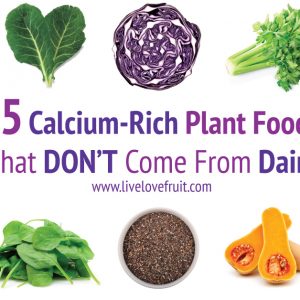
The best calcium sources are those found in plant foods (yes, you can get calcium without eating dairy products – and plenty of it, too). Chia seeds, sesame seeds, kohlrabi, collards, spinach, turnip greens, kale, broccoli, bok choy, okra, and pumpkin seeds are just a few foods that contain a healthy amount of calcium to nourish the body.
Magnesium and Our Bones
Professor Steven Abrams and his colleagues at the Baylor College of Medicine in Houston found that magnesium intake in children was significantly associated with total bone mineral content and bone density. Calcium intake and absorption was not significantly associated.
“Dietary magnesium intake may be an important, relatively unrecognized factor in bone mineral accretion in children,” the researchers said. “Lots of nutrients are key for children to have healthy bones. One of these appears to be magnesium,” said Abrams. “Calcium is important, but, except for those children and adolescents with very low intakes, may not be more important than magnesium.”
What concerned the researchers was the fact that while calcium intake is widely promoted for better bone health, other minerals (like magnesium, vitamin D3, and K2) are rarely spoken of. They suggest that parents in particular make sure that their children get plenty of magnesium for healthy bone growth. They go on to say that they’d like to see more awareness about how important a role magnesium plays in bone health.
Not only is magnesium important for growing children, but it is increasingly important for the elderly, too – those who are at increased risk for bone fractures and osteoporosis.
Foods High In Magnesium
While it is best to get your magnesium naturally, people still remain chronically deficient. This is likely due to the fact that a lot of the fresh produce we’re consuming has seen steady declines in magnesium from 25-80% since pre-1950. Compared to levels documented in 1950, soil magnesium declines are found as high as 40%. This essentially has created a situation where the foods we eat are almost completely devoid of magnesium.
Growing populations and demand for more food have favored the selection of quality over quantity. The demand for higher yields has led farmers to select for fast-growing crops, where vegetables and fruit have very little time to make or uptake a sufficient amount of nutrients.
With that being said, there are certain foods that have a higher magnesium ratio, such as cacao, leafy green vegetables, hemp seeds, pumpkin seeds, chia seeds, sesame seeds and sunflower seeds, as well as almonds and cashews.
I still always recommend taking a high-quality magnesium supplement.
Supplementing with Magnesium
The recommended daily allowance for magnesium is 350-400mg per day. Most magnesium capsules contain between 250 and 500mg of magnesium, and can be taken with meals or on an empty stomach (best taken at night, when magnesium is more absorbable).
My favorite magnesium supplement (not sponsored, this is my honest opinion, and have been taking it for over two years) are those produced by Pure Encapsulations. They have essentially no fillers in them and are in the form of magnesium glycinate (bis-glycinate) – the best absorbable form of magnesium. I take 2-3 pills at night, just before I go to sleep.
Keep in mind that it is difficult for a doctor to test your magnesium levels, since only a tiny fraction of your body’s magnesium is stored in the blood. If that level drops, your body naturally takes magnesium from your bones and tissues to replenish that level. As a result, your blood test may show a normal reading, but your body (and bones) could still be deficient.
Other Vitamins & Minerals Essential For Bone Health
All vitamins and minerals assist in proper bone formation (and work synergistically together), but there are a select few (aside from magnesium and calcium) that are especially important.
Vitamin D3: the main component that aids in the synthesis of proteins necessary for calcium absorption and is directly related to positive bone building. Vitamin D3 assists in the absorption of calcium in the intestines. Make sure you get at least 20-30 minutes of sun exposure daily or take a high-quality D3 supplement.
Vitamin K2: helps calcium and other minerals like magnesium to get absorbed by the bones. It keeps bone mineralization in balance and helps raise osteocalcin, which controls the building of bone. Good plant-based sources of K2 include anything fermented – kombucha, kefir, fermented vegetables like sauerkraut, and fermented soy products like natto.
Phosphorous: aids in bone healthy by helping the body absorb calcium. It also helps to balance vitamin D. There are very high levels of phosphorous in almost every nut and seed, and it can also be found in beans and lentils.






Carly,
Enjoying your articles and learning a lot. Thank you. What do you think of Calcium Citrate as a supplement? We’ve read that the citrate helps to absorb the calcium much better.
Hey Phil – magnesium citrate or glycinate would be good! I have just personally taken glycinate with great success, so I recommend that one first (and lots of naturopath’s I know also recommend glycinate).
Thank you for the reply Carly. Will move to the calcium glycinate when the calcium citrate is used up. Do you recommend a source for the glycinate supplement? Okole Maluna from Hawaii. Phil
Hey Phil – Ohhh, you’re talking about calcium? Or magnesium? I personally use magnesium glycinate. I order it online at well.ca (a distributor in Canada) from the company Pure Encapsulations!
Yes, Calcium Citrate.
Hey Phil – okay, cool. Calcium bisglycinate is still better than calcium citrate. Glycinate is 205 times more soluble than calcium citrate! Pure Encapsulations also sells calcium bis-glycinate.
Hi. I take Coumadin so I don’t eat leafy greens. I eat one salad a day made of iceberg lettuce and romaine hearts to keep vitamin k stable I intake. Are lentils high in vit k? Also I drink almond milk Blue Diamond. Short of making your own almond milk, any recommendations? What about pumpkin seeds , sesame seeds hemp. Can I ear that on Coumadin?
Thanks
Sheena sims
Hey Sheena – lentils are not high in vitamin K. I would check with your doctor if you can eat those foods on Coumadin.
Carly, my daughter is 100% g-tube fed, within 24 hours she has 300mg magnesium, which is in her feeds. It is 30mg per 100mls feed, she has 1000mls per 24 hours, so like I said 300mg per day magnesium, now I plan to buy Pure Encapsulations Magnesium Glycinate as you use for her, so if she has just 1 of those pills at bedtime, will she be getting enough? She also has epilepsy. Magnesium is supposed to help stop seizures??? Or would she need 2 pills of your Pure Encapsulations Magnesium Glycinate every night instead?? Please advise me. Thank you.
The recommended dietary allowance (RDA) of magnesium for children ages one to three is 80 mg per day. Children ages four to five: 130 mg magnesium per day. By age nine, the United States government recommends that kids should be getting (at least) 240 mg of magnesium per day.