

If you’ve been waking up with a tight chest, coughing up thick phlegm, or feeling like your breathing just isn’t as easy as it should be, you’re not alone. Mucus buildup in the lungs is uncomfortable, and if it lingers, it can set the stage for more serious problems like infection or chronic congestion.
The good news? There are simple, effective ways to clear out mucus naturally and help your lungs breathe freely again. If you’re wondering how to remove mucus from the lungs naturally, these 10 fast remedies are backed by both science and real-world results.
Let’s start by understanding what’s really going on inside your chest, and then get into the remedies that bring quick, natural relief.
Why Does Mucus Build Up in the Lungs?
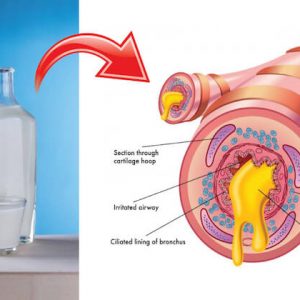
Your body produces mucus for a reason. It lines your airways to trap dust, bacteria, and other particles so they don’t reach your lungs. Under normal conditions, this mucus is thin and easily cleared by tiny hair-like structures called cilia that sweep it upward toward your throat.
The problem starts when that mucus becomes thick, sticky, or excessive. According to the American Lung Association, common causes include:
- Respiratory infections like colds, flu, or bronchitis
- Allergies or asthma
- Exposure to smoke, pollution, or chemical irritants
- Dehydration
- Chronic lung conditions such as COPD
Thick mucus can block airflow, create a breeding ground for bacteria, and make you feel constantly congested or short of breath. The goal isn’t to “eliminate” mucus completely (your body needs it), but to help it flow and clear out efficiently.
How to Remove Mucus from the Lungs Naturally: 10 Fast Remedies That Work
Now that you understand why mucus builds up and how it can weigh on your breathing, it’s time to take action. These 10 fast natural remedies focus on thinning, loosening, and clearing mucus from your lungs while soothing inflammation and supporting your respiratory system.
Each remedy is safe, effective, and backed by research or long-standing use in natural medicine. You don’t need fancy products or harsh chemicals, just simple, consistent habits that help your lungs do what they’re designed to do: cleanse and protect themselves.
Let’s go step-by-step through each one.
1. Stay Hydrated and Drink Warm Fluids
One of the simplest yet most powerful remedies for clearing mucus is hydration. When you’re dehydrated, mucus becomes thicker and harder to expel.
According to a 2020 review published in Respiratory Care, drinking plenty of fluids helps thin mucus, making it easier for your body to move it out through coughing or natural drainage
(1✓)✓ Trusted ResourcePubMed CentralHighly respected database from the National Institutes of HealthRead source.
What to do:
- Drink at least 8–10 glasses of water per day.
- Add warm fluids to your routine: herbal teas (ginger, peppermint, licorice root), lemon water, and clear broths.
- Avoid too much caffeine or alcohol. Both can dehydrate you.
Pro tip: Warm water with lemon and a pinch of sea salt in the morning can help break down mucus and support your body’s natural cleansing process.
2. Use Steam Inhalation or a Humidifier
Warm, moist air can instantly relieve chest congestion. Steam inhalation loosens mucus and reduces airway irritation, helping you cough more effectively.
Studies on humidified air therapy have shown it can improve mucus clearance, reduce sputum viscosity, and enhance comfort in people with airway diseases such as chronic bronchitis and bronchiectasis (2✓)✓ Trusted ResourceSpringer Nature LinkA trusted peer-reviewed research database that hosts journals published by Springer NatureRead source. The key mechanism is simple: maintaining moisture keeps your airways hydrated and your cilia (the tiny hairs that move mucus) working efficiently.
How to do it:
- Fill a bowl with hot (not boiling) water, place a towel over your head, and inhale the steam for 5–10 minutes.
- Add a few drops of eucalyptus or peppermint oil: both are known natural decongestants.
- Alternatively, use a humidifier in your bedroom, especially during dry winter months.
Tip: Keep your humidifier clean. A dirty one can harbor mold or bacteria, which worsen mucus problems.
3. Practice Controlled Coughing and Deep Breathing
When mucus gets stuck deep in your lungs, you need to help your body move it out. Controlled coughing is a respiratory therapy technique recommended by the Cleveland Clinic to help clear mucus without exhausting your body (3).
How to do a controlled cough:
- Sit upright with your feet flat on the floor.
- Take a deep breath through your nose, filling your lungs.
- Hold it for a moment, then exhale forcefully but gently, as if fogging a mirror, making a short “ha” sound.
- Repeat 2–3 times, resting in between.
Pair this with deep breathing exercises throughout the day to strengthen your lungs and promote airflow.
Bonus: Practicing diaphragmatic (belly) breathing improves oxygen exchange and helps prevent mucus buildup long-term.
4. Try Postural Drainage and Gentle Chest Percussion
Gravity can be your ally when clearing mucus. Postural drainage involves lying in specific positions to help mucus move from different parts of your lungs toward your throat, where it can be coughed out.
This technique is widely used in pulmonary rehab and has been shown in studies published in Chest Journal to improve mucus clearance in people with bronchiectasis and chronic lung disease (4✓)✓ Trusted ResourcePubMed CentralHighly respected database from the National Institutes of HealthRead source.
How to do it:
- Lie on your back with your hips slightly elevated (use a pillow). Stay in this position for 10 minutes.
- Then lie on your left side, then right side, each for 10 minutes.
- While in position, gently tap your chest or upper back with a cupped hand to loosen mucus (this is called percussion).
Caution: Skip this method if you have spinal issues, high blood pressure, or acid reflux unless your healthcare provider approves.
5. Avoid Mucus-Producing Foods and Irritants
Certain foods and environmental irritants can thicken mucus and make it harder to clear.
Common triggers include:
- Dairy products (for some people, they increase mucus thickness)
- Processed foods high in sugar and salt
- Alcohol and caffeine (drying effect)
- Smoke, chemical fumes, or air pollution
Recent nutritional research shows that diets high in added sugars and refined carbohydrates are associated with systemic inflammation (5✓)✓ Trusted ResourcePubMed CentralHighly respected database from the National Institutes of HealthRead source. While direct studies on lung mucus production are limited, it’s plausible that increased inflammation could worsen mucus secretion and airway clearance.
What to do instead:
- Eat an anti-inflammatory diet rich in fruits, vegetables, herbs, and omega-3 fats.
- Use natural air purifiers like houseplants (peace lily, spider plant).
- Quit smoking or avoid secondhand smoke entirely. It paralyzes the cilia that move mucus out of the lungs.
6. Eat Mucus-Clearing and Anti-Inflammatory Foods
Nature provides plenty of foods that thin mucus and support lung health. These foods help reduce inflammation, improve circulation, and enhance your body’s detox pathways.
Top mucus-fighting foods:
- Ginger: Acts as a natural expectorant and anti-inflammatory (6✓)✓ Trusted ResourcePubMed CentralHighly respected database from the National Institutes of HealthRead source.
- Garlic: Contains allicin, which fights infection and helps break down mucus (7✓)✓ Trusted ResourcePubMed CentralHighly respected database from the National Institutes of HealthRead source.
- Pineapple: Contains bromelain, an enzyme that reduces mucus and swelling (8✓)✓ Trusted ResourcePubMed CentralHighly respected database from the National Institutes of HealthRead source.
- Turmeric: Curcumin helps reduce airway inflammation (9✓)✓ Trusted ResourcePubMed CentralHighly respected database from the National Institutes of HealthRead source.
- Citrus fruits: Vitamin C supports immune defense and mucus breakdown (10✓)✓ Trusted ResourcePubMed CentralHighly respected database from the National Institutes of HealthRead source.
Try blending fresh ginger, lemon, and a bit of raw honey into warm water for a powerful daily lung tonic.
7. Use Honey and Lemon to Soothe the Throat and Loosen Mucus
Raw honey is more than just soothing; it’s antimicrobial and anti-inflammatory. A 2021 meta-analysis in BMJ Evidence-Based Medicine found that honey was more effective than over-the-counter cough syrups for easing cough and sore throat symptoms (11✓)✓ Trusted ResourcePubMed CentralHighly respected database from the National Institutes of HealthRead source.
Lemon provides vitamin C and citric acid, which may thin mucus naturally.
How to use it:
Mix 1 tablespoon of raw honey with the juice of half a lemon in a cup of warm water. Sip slowly twice a day.
Note: Never give honey to children under 1 year old.
8. Get Moving: Gentle Exercise Helps Your Lungs Drain Mucus
Exercise increases circulation, oxygen intake, and lung expansion, all of which help mobilize mucus and improve respiratory efficiency.
Research shows that moderate exercise improves mucus clearance compared with resting in people with airway conditions (12✓)✓ Trusted ResourcePubMed CentralHighly respected database from the National Institutes of HealthRead source.
Try this:
- Brisk walking for 20–30 minutes daily
- Gentle stretching or yoga poses that open the chest (like Cobra or Bridge pose)
- Breathing through your nose during exercise to filter and humidify air
If you’re very congested, start slow; even 5 minutes of gentle movement helps.
9. Try Natural Expectorant Herbs and Essential Oils
Certain herbs and oils have a long history of helping to loosen mucus and calm inflamed airways.
Best natural expectorants:
- Eucalyptus oil: The compound cineole helps clear mucus and ease coughing (13✓)✓ Trusted ResourcePubMed CentralHighly respected database from the National Institutes of HealthRead source.
- Thyme: Acts as both an antimicrobial and a bronchodilator (14✓)✓ Trusted ResourcePubMed CentralHighly respected database from the National Institutes of HealthRead source.
- Licorice root: Soothes the throat and helps expel phlegm (avoid if you have high blood pressure) (15✓)✓ Trusted ResourcePubMed CentralHighly respected database from the National Institutes of HealthRead source.
- Peppermint oil: Contains menthol, which can open nasal passages and ease breathing (16✓)✓ Trusted ResourcePubMed CentralHighly respected database from the National Institutes of HealthRead source.
How to use them:
- Add a few drops of essential oil to a bowl of hot water for steam inhalation.
- Drink thyme or licorice root tea.
- Diffuse eucalyptus or peppermint oil in your room (never ingest essential oils).
Always dilute essential oils properly and use high-quality, pure sources.
10. Sleep Elevated and Keep Airways Open
When you sleep flat, mucus tends to pool in your chest and throat. Elevating your head and upper body helps gravity do some of the clearing for you.
What to do:
- Sleep with your head raised 30–45 degrees (use two pillows or a wedge).
- Avoid eating right before bed, which can increase postnasal drip.
- Keep your bedroom air moist with a humidifier.
If you often wake up congested in the morning, this simple change can make a dramatic difference.
When to See a Doctor
Most mucus buildup resolves with home care, but sometimes it’s a sign of something more serious.
Seek medical help if you experience:
- Persistent cough lasting more than 2 weeks
- Thick, green, brown, or bloody mucus
- Chest pain or shortness of breath
- Fever or chills
- Wheezing or coughing up large amounts of phlegm
These symptoms can indicate an infection (like pneumonia or bronchitis) or an underlying condition like COPD or asthma.
How to Prevent Mucus Build-Up Long-Term
Short bursts of relief are great, but prevention is where you actually change how your airways behave. Think of this as a daily environment + habits + airway hygiene protocol. Use the targets below so this isn’t vague wellness fluff; it’s measurable.
1) Hydration Strategy (Thin the Mucus Before It Forms)
- Daily target: Aim for clear-to-pale-yellow urine. As a guide, ~30–35 ml/kg/day total fluids (includes water, tea, broth).
- Timing: Front-load fluids earlier in the day; add 1 warm drink morning + evening (warmth helps mucociliary clearance).
- Electrolytes: If you’re active or in dry climates, use a low-sugar electrolyte once daily to keep mucus from thickening.
- Watch-outs: Excess caffeine and alcohol are drying; match each serving with a glass of water.
2) Indoor Air Quality (IAQ) You Can Control
- Humidity: Keep indoor RH 40–50%. Below 35% dries mucus; above 55% risks mold. Use a reliable hygrometer.
- Filtration:
- Bedroom HEPA purifier running ≥ 8–10 hours/night.
- Replace HVAC filters on schedule; use MERV-13 if your system allows.
- Ventilation: Open windows daily (even for 10 minutes), and run your range hood when cooking to reduce particulates.
- Fragrance & VOCs: Ditch aerosol sprays, incense, and heavily scented candles/cleaners. Choose unscented or low-VOC options.
- Mold control: Dehumidify basements, fix leaks immediately, and clean shower grout monthly. If you smell “musty,” you’ve got a problem.
3) Nose-First Hygiene (Cut the Drip at the Source)
Postnasal drip is a huge driver of throat and chest mucus.
- Daily saline rinse: 1–2×/day with isotonic saline (neti pot or squeeze bottle).
- Technique: Use sterile/distilled or previously boiled and cooled water.
- Allergy days: Add a salt + baking soda mix (most kits include this) for comfort.
- Follow-up: After rinsing, a light pursed-lip breathing set (see below) keeps airways open.
4) Airway Conditioning (Train Your Lungs, Don’t Just Use Them)
- Weekly movement minimum: 150 minutes moderate cardio + 2 sessions of strength work. Movement thins mucus via better airflow and circulation.
- Daily micro-set (5–7 minutes):
- Diaphragmatic breathing 2 min (hand on belly, slow inhale through nose, slow exhale).
- Pursed-lip breathing 2 min (inhale 4 counts, exhale 6–8 counts through pursed lips).
- 2–3 “huff coughs” to finish (gentle “ha-ha” exhales to move secretions without strain).
- Optional tool: An inspiratory muscle trainer (low resistance) 5–10 minutes/day can improve ventilatory efficiency over time.
5) Nutrition That Keeps Mucus Mobile (Without Food Rules)
You don’t need a “detox.” You need less airway inflammation and better mucus rheology.
- Daily anchors:
- Protein each meal (grass-fed meat, wild fish, eggs, legumes, leafy greens).
- Color goal: 3+ colors of produce/day; prioritize berries, citrus, leafy greens, onions/garlic.
- Spices: Ginger, turmeric, thyme. Use liberally in cooking or tea.
- Omega-3s: Fatty fish 2×/week, or consider an omega-3 supplement if intake is low.
- Sugar ceiling: Keep added sugars ≤ 25–36 g/day (excess sugar drives systemic inflammation).
- Dairy reality check: Some people feel thicker secretions with certain dairy products; if you’re one of them, trial a 2-week reduction, then re-introduce and assess.
6) Reflux, Allergies, and Sinus—the Quiet Mucus Multipliers
- Reflux (often silent): Elevate the head of the bed 4-6 inches, avoid late heavy meals (finish 3+ hours before bed), moderate alcohol, chocolate, mint, and fried foods if symptomatic.
- Dust mites: Wash bedding weekly on hot, use allergen-proof pillow/mattress covers, and keep bedroom clutter-free.
- Pollen seasons: Close windows on peak days, shower before bed, and launder clothes after outdoor activity.
7) Smoking & Combustion Exposure (Non-Negotiable)
- No smoking, no vaping. Both impair cilia, the hair-like movers that clear mucus.
- Secondhand/thirdhand smoke: Off-gassing from furniture and cars is real. Keep a hard boundary: smoke never inside homes or cars.
8) Sleep & Daily Rhythm (Your Built-In Repair Window)
- Head elevation: A 30–45° wedge reduces pooling and reflux-driven drip.
- Consistent schedule: Sleep helps cilia beat properly; aim for 7–9 hours.
- Morning reset: Start the day with a warm beverage + 2 minutes diaphragmatic breathing + 2 huff coughs before breakfast.
9) Smart Supplement & OTC Triage (Use Wisely, Not Forever)
- N-Acetylcysteine (NAC): A classic mucolytic; many use 600 mg 1–2×/day. Check with your clinician if you’re on meds (e.g., nitroglycerin, anticoagulants) or have asthma sensitivity.
- Guaifenesin (OTC): An expectorant that thins mucus; hydrate well for it to work.
- Herbal supports: Thyme tea, licorice root (avoid if you have hypertension), and eucalyptus steam can be part of a maintenance routine rather than emergency only.
- Avoid chronic decongestant sprays: Rebound congestion is real; reserve for short stints.
10) Medication & Health Review (Don’t Fight Your Rx)
Some meds thicken secretions (e.g., strong anticholinergics) or dry you out. If mucus is chronic:
- Ask your clinician to review current meds for airway effects.
- Chronic conditions (asthma/COPD/sinusitis) need formal plans: inhaler technique, seasonal adjustments, and clear thresholds for stepping up treatment.
The Bottom Line
Your lungs are built to clean themselves, but when mucus becomes thick or excessive, they need your help. By combining these 10 natural remedies with better hydration, diet, and breathing habits, you can help your body do what it’s designed to do: clear out mucus and keep your lungs healthy.
So next time you feel that heaviness in your chest or hear that stubborn cough, don’t panic. Support your body, stay consistent, and breathe easy.
If you’ve tried these remedies and still feel congested after a couple of weeks, see a healthcare professional for a proper diagnosis.







Leave a Reply