

They do more than brighten up a space. These houseplants actively clean the air you breathe.
Most of us don’t realize how much indoor air can quietly affect our health. Between off-gassing furniture, synthetic cleaners, personal care products, and cooking fumes, the air inside your home can get filled with invisible pollutants called VOCs (volatile organic compounds). These chemicals are linked to fatigue, headaches, poor sleep, hormone disruption, and more.
In the 1980s, NASA, in collaboration with the Associated Landscape Contractors of America, ran a study to explore how plants could help purify the air. Not just for homes, but for future space stations and moon bases. What they found was eye-opening: certain houseplants naturally filter out toxins from the air, making it cleaner to breathe.
And the best part? You can bring those same plants into your home, right now.
What Makes a Plant “Air-Purifying”?
Plants don’t just sit pretty, they’re constantly at work. Through a process called phytoremediation, some plants can absorb pollutants through their leaves and roots, breaking down toxic chemicals like formaldehyde, benzene, and trichloroethylene into less harmful substances.
They also boost oxygen and humidity levels, especially important in winter when the air tends to get dry and stale. Some plants, like snake plants and aloe vera, even release oxygen at night, which can improve sleep and help you wake up feeling clearer.
The real magic? It’s a partnership between the plant’s leaves, its roots, and the microbes in the soil. Together, they create a natural filtration system; no wires, no plug-ins, just nature doing what it does best.
12 Powerful Plants That Purify the Air in Your Home
Here are 12 of the most effective air-purifying houseplants, all backed by NASA science and perfect for your wellness routine.
1. Spider Plants
If you’re new to houseplants, this is the one to start with. Spider plants are hardy, forgiving, and serious overachievers when it comes to cleaning the air. In the NASA study, they removed over 95% of formaldehyde in just 24 hours inside a sealed chamber. That’s impressive for a plant that basically thrives on neglect.
What it removes: Formaldehyde, benzene, carbon monoxide, and xylene
Care level: Super easy; low light tolerant, water once a week
Pet warning: Non-toxic to pets
Best room: Anywhere, especially near furniture or synthetic flooring
2. Peace Lily
This one’s beautiful, and deadly… to VOCs. Peace lilies don’t just look calming; they actually work to remove benzene, acetone, and trichloroethylene, all commonly found in polishes, paints, electronics, and dry-cleaned clothes. Bonus: they can also help reduce mold spores in the air.
What it removes: Benzene, trichloroethylene, acetone, ammonia
Care level: Moderate; prefers indirect light, keep soil moist
Pet warning: Toxic to pets
Best room: Bathrooms, bedrooms, laundry areas
3. Snake Plant
Also known as mother-in-law’s tongue, this plant is practically indestructible and works hard around the clock. Unlike most plants that rest at night, snake plants actually convert carbon dioxide into oxygen while you sleep (2✓)✓ Trusted ResourcePubMed CentralHighly respected database from the National Institutes of HealthRead source, making them ideal for the bedroom. They also help remove a wide range of harmful VOCs from the air, including formaldehyde, benzene, and xylene.
What it removes: Formaldehyde, benzene, trichloroethylene, xylene, toluene
Care level: Very easy; tolerates low light and infrequent watering
Pet warning: Toxic if ingested
Best room: Bedroom, office, or any low-light corner
4. Elephant Ears
With its large, lush leaves, elephant ear acts like a natural air filter, pulling toxins out of the air while giving your space a tropical feel. It’s been shown to remove a variety of VOCs and contributes to fresher, more breathable air. That said, its beauty comes with a caveat: it’s toxic to pets and small children if ingested.
What it removes: Multiple VOCs including formaldehyde and benzene
Care level: Moderate; loves humidity and indirect light
Pet warning: Toxic to pets and kids
Best room: Living room, sunroom, or bathroom with good light
5. Weeping Fig
This sculptural plant isn’t just about aesthetics; it’s a quiet powerhouse when it comes to cleaning up indoor air. Weeping figs help remove formaldehyde, xylene, and ammonia, which are commonly released by furniture, flooring, and cleaning products. It needs a bit more care than others, but the air-cleansing payoff is worth it.
What it removes: Formaldehyde, xylene, ammonia
Care level: Moderate; needs consistent light and dislikes being moved
Pet warning: Toxic to pets
Best room: Office, living room, or anywhere with stable light
6. Rubber Plant
Bold and dramatic, the rubber plant is a detox workhorse. Native to India, it removes airborne chemicals like carbon monoxide, formaldehyde, and trichloroethylene. It’s also known for its ability to increase overall air humidity, which helps ease dry skin, allergies, and respiratory irritation.
What it removes: Formaldehyde, carbon monoxide, trichloroethylene
Care level: Easy; likes bright, indirect light and weekly watering
Pet warning: Toxic to pets
Best room: Entryway, living room, or anywhere it can stand tall
7. Rubber Plant (Reed Palm)
Bold and dramatic, the rubber plant isn’t just a visual statement; it’s a detox workhorse. Native to India, it pulls formaldehyde, carbon monoxide, and trichloroethylene out of the air while boosting humidity levels indoors. That extra moisture can be a game-changer for easing dry skin, sinus irritation, and allergy flare-ups.
What it removes: Formaldehyde, carbon monoxide, trichloroethylene
Care level: Easy; prefers bright, indirect light and weekly watering
Pet warning: Toxic to pets
Best room: Living room, home office, or entryway
8. Aloe Vera
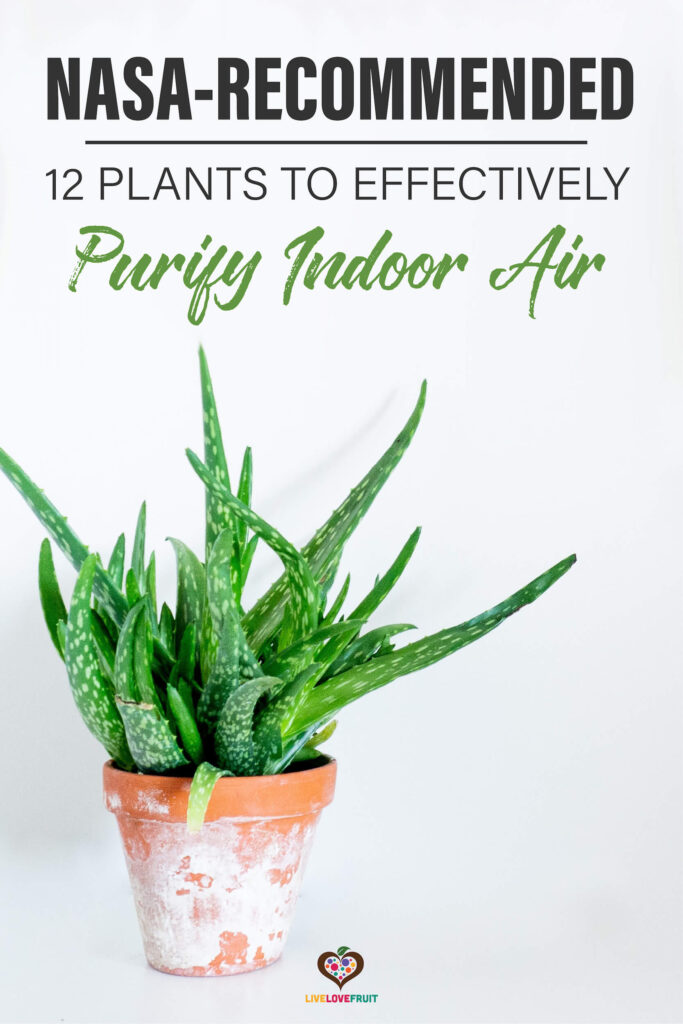
Aloe vera is famous for its healing gel, but it also helps clean the air by removing formaldehyde and benzene, common off-gassed chemicals from flooring, furniture, and synthetic textiles. This succulent thrives on neglect, making it a perfect choice for forgetful plant parents.
What it removes: Formaldehyde, benzene
Care level: Very easy; needs bright light and infrequent watering
Pet warning: Toxic to pets
Best room: Home office or sunny kitchen windowsill.
9. Gerber Daisy
This gorgeous flower does more than just look pretty. It releases oxygen during the day, and continues doing so at night, helping you to breathe and sleep better. This makes them great for individuals suffering from breathing disorders or sleep apnea. They are also useful for getting rid of trichloroethylene (which can enter your home if you’ve ever had dry-cleaning done) and benzene that comes from inks.
What it removes: Benzene, trichloroethylene, formaldehyde, toluene
Care level: Moderate; needs bright, indirect sunlight and consistently moist, well-draining soil; sensitive to overwatering
Pet warning: Toxic to pets
Best room: Bedroom, living room, or any well-lit space where you want both air purification and a splash of color
10. Golden Pothos
Golden Pothos, also known as Devil’s Ivy, is a standout performer when it comes to purifying indoor air. In NASA’s famous clean air study, it removed over 73% of benzene and 9.2% of trichloroethylene from sealed environments; two of the most common and harmful VOCs found in household products like paints, adhesives, and cleaning agents. Beyond the lab, this resilient vine has earned recognition in a TED talk by Karmal Meattle, highlighting it as one of the top three plants for improving air quality.
What it removes: Benzene, trichloroethylene, formaldehyde, toluene
Care level: Very easy; tolerates low light, irregular watering, and diverse indoor environments
Pet warning: Toxic to pets
Best room: Living room, bathroom, office, or any indoor space needing air purification with low light
11. Chrysanthemum
Chrysanthemums have been scientifically shown to filter out a broad range of common indoor toxins, including benzene, formaldehyde, trichloroethylene, xylene, and ammonia. These chemicals are frequently found in household cleaning products, wall paints, and personal care items, making chrysanthemums a practical and beautiful ally in creating a healthier home environment.
What it removes: Benzene, formaldehyde, trichloroethylene, xylene, ammonia
Care level: Moderate; needs bright, indirect light and regular watering
Pet warning: Toxic to pets
Best room: Living room, kitchen, or any space with good light
12. English Ivy
English Ivy is not just a classic aesthetic addition to your home, it’s also a powerhouse air purifier. Research shows it can reduce airborne particles of fecal matter, which is especially valuable in homes with pets or frequent guests. Additionally, it helps filter out formaldehyde, a toxic chemical commonly released by household cleaning products and new furniture.
What it removes: Airborne fecal matter, formaldehyde
Care level: Moderate; prefers bright, indirect light and slightly moist soil
Pet warning: Highly toxic to pets and children
Best room: Bathroom, kitchen, or other spaces prone to airborne contaminants
How to Get the Most Air-Cleansing Benefits From Your Plants
Houseplants are natural air purifiers, but to unlock their full potential, a few simple care practices can make all the difference:
Group Plants Together for Greater Impact
While a single plant can improve air quality, grouping several amplifies their effect. Larger clusters increase the surface area for air filtration, helping to cleanse your indoor environment more effectively.
Keep Leaves Clean
Dust buildup blocks the pores on leaves, reducing their ability to absorb airborne toxins and release oxygen. Wipe your plants’ leaves gently with a damp cloth every couple of weeks to keep them functioning optimally.
Choose the Right Potting Soil
Mold and fungus can develop in overly damp or poor-quality soil, which may negate some of the benefits of your plants. Use well-draining, high-quality potting soil formulated for indoor plants to prevent these issues.
Don’t Overwater
Too much water can lead to root rot and mold growth, harming both your plant and your indoor air quality. Make sure to let the soil dry out between waterings and use pots with drainage holes.
Rotate Your Plants Periodically
Air circulation around plants is important. Rotate their position every few months to ensure all sides receive light and airflow, and to promote even growth. This also helps distribute the air-purifying benefits throughout your space.
FAQs About Air-Purifying Houseplants
1. Do air-purifying plants really work?
Yes. NASA’s Clean Air Study and subsequent research confirm that certain houseplants can reduce common indoor toxins like formaldehyde, benzene, and ammonia. While plants alone won’t eliminate all pollutants, they’re a natural and affordable way to improve air quality.
2. Are air-purifying plants safe for pets?
Some are, but many common air-purifying plants (like peace lilies and pothos) can be toxic to cats and dogs if ingested. Always check plant toxicity before bringing one home if you have pets, and consider pet-safe options like Areca palms or Boston ferns.
3. How many plants do I need per room?
Experts suggest aiming for at least one medium to large plant per 100 square feet. Grouping several smaller plants together can also work. The more plants you have, the better the air purification effect.
4. Do these plants improve oxygen levels indoors?
Yes, many of these plants continue to release oxygen throughout the day, and some — like snake plants and aloe vera — even release oxygen at night, helping improve sleep quality.
The Bottom Line
Improving your indoor air quality doesn’t have to be complicated or expensive. Adding a few carefully chosen houseplants can naturally cleanse the air you breathe, supporting better lung health, deeper sleep, and increased energy. Plus, they bring life, color, and calm to your living spaces.
Start with one or two of these NASA-recommended air-purifying plants today and feel the difference for yourself. Your lungs (and your home) will thank you.







Leave a Reply