• Skip to primary navigation
  • Skip to main content
  • Skip to primary sidebar
  • Skip to footer
live love fruit logo

Live Love Fruit

Eat Vibrantly. Live Vibrantly

About Start Here Work With Me

  • Home
  • Start Here
  • About
  • Health
  • Remedies
  • Recipes
  • A-Z Conditions
  • Fitness
  • Environment
  • Self Improvement
  • My LLF
  • Shop
Category: > Remedies > Vitamin D Deficiency Linked To Depression, Pain, Inflammatory Bowel Disease, and Breast Cancer

Vitamin D Deficiency Linked To Depression, Pain, Inflammatory Bowel Disease, and Breast Cancer

Oct 25, 2017 Carly Fraser Post contains aAffiliate links Save For Later Print

Last Updated: Jan 07, 2026

3.7K shares
  • Facebook3.7K
  • Twitter
  • LinkedIn
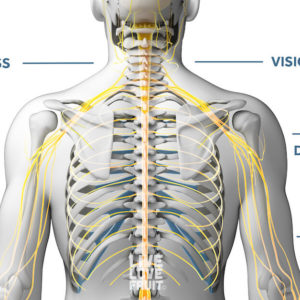
Conceptual medical illustration showing the hidden impact of vitamin D deficiency on the human body. Dark, moody background with a semi-transparent human silhouette standing upright. Multiple body regions subtly illuminated to show systemic effects: brain and head glowing faintly to suggest mood and neurological impact, spine and joints highlighted to suggest pain and inflammation, digestive tract softly lit to suggest gut health, and chest area gently illuminated to imply breast tissue involvement. A weak, distant sun in the background casting minimal light, symbolizing low vitamin D exposure.

If you live in North America, there’s a pretty good chance you’re low on vitamin D.

According to the journal Nutrition Research, over 42% of U.S. adults are deficient in the nutrient. Harvard University has also estimated that roughly 1 billion people worldwide are deficient in vitamin D – and this isn’t a good thing.

Vitamin D is essential for living a long, healthy life. Even those who live more North are prone to higher cancer rates, given that vitamin D is such a crucial vitamin involved in keeping cancer at bay. Those of us who get less sun (and don’t supplement during darker months) are not only at risk for cancer, but many other conditions as well.

Why Are People Vitamin D Deficient?

There are many reasons why vitamin D deficiency has become epidemic. For one, the government has scared us into believing that unless we completely block the sun from entering our body, we’re going to get skin cancer.

The funny thing about this is, is that vitamin D literally protects us from getting cancer in the first place. And while there are legitimate fears about the UVA rays (the ones that tan your skin) burning your skin and increasing your risk of melanoma, there are many ways we can still appreciate the sun and absorb the beneficial UVB rays (the ones that your body uses to create vitamin D).

Wearing sunscreen, spending too much time indoors, and covering up n the winter time severely limits your skin’s exposure to sunlight – so it’s rather easy to miss out on this crucial vitamin.

Giving your skin at least 30 minutes in the sun every day, without sunscreen, and between hours when UVA rays are lowest, is a great way to make sure you’re getting enough vitamin D. If you do plan on being outside for extended periods of time, wearing a wide-brimmed hat, or some light clothing will do the trick. There are also great all-natural sunscreens out there that do not harm the body, such as Raw Elements.

Also keep in mind that during the winter, the sun in the Northern Hemisphere (like Canada) doesn’t reach dangerous levels such that you need to worry about UVA rays. During the summer in the Northern Hemisphere, or winters and summers as you get closer to the equator, you should be smart about how much time you spend in the sun, especially between the hours of 12pm and 3pm. Anywhere outside of that timeframe, you should be good.

Keep in mind, too, that our skin takes awhile to process and synthesize vitamin D from the sun. I always advise people to steer clear of scrubbing their skin in the shower after they have been outside for at least 48 hours after the fact!

Vitamin D Deficiency is Deadly

While your body does have the ability to create vitamin D and absorb it from foods like those that are vitamin-D enriched, or mushrooms that have been soaking up the sun’s rays, the vitamin actually needs to be processed by your liver and kidneys before it can be used (1). That’s mainly because vitamin D isn’t a true vitamin, but a potent neuro-regulatory steroidal hormone.

Stephen B. Kritchevsky, Ph.D., Professor of Internal Medicine and Transitional Science at the Wake Forest School of Medicine tested the blood of 2,638 African-Americans and Caucasians aged 70-79 after they fasted for 12 hours. They then contacted the participants every six months for updates on their health and wellbeing.

“We observe vitamin D insufficiency (defined as blood levels <20 ng/ml), n one third of our study participants. This was associated with nearly a 50 percent increase in the mortality rate in older adults…Our findings suggest that low levels of vitamin D may be a substantial public health concern for our nation’s older adults (2),” explained Dr. Kritchevsky.

Why We Need Vitamin D

Vitamin D is pretty essential in the body, and we can see why when we examine what deficiencies can result in.

Currently, there are over 33,800 medical papers online with vitamin D in the title or abstract – that’s a lot!

1. Cancer

According to a study published in the Journal of Clinical Endocrinology & Metabolism, every 10-point increase in vitamin D levels was associated with a 4% increase in survival among people with cancer. The strongest link between vitamin D and survival rates were found in patients with lymphoma, colorectal cancer, and breast cancer (3).

Breast cancer patients with healthy vitamin D levels are also twice as likely to survive than patients with lower levels, according to reports in the journal Anticancer Research (4).

A 2007 study published in the American Journal of Preventative Medicine also found that getting enough vitamin D can result in a 50 percent lower risk of colorectal cancer (5). Not only that, but research published in the International Journal of Cancer found that a mere 10 ng/ml increase in serum vitamin D levels resulted in a 15 percent reduction in colorectal cancer incidence and 11 percent reduction in breast cancer incidence (6).

2. Depression

Do you ever notice feeling a little more sad during the winter months? It often has to do with vitamin D levels (perhaps you’ve heard of seasonal affective disorder?). In fact, people with low levels of vitamin D in their blood were more than twice as likely to be diagnosed with depression, than those with higher levels, according to a study in the British Journal of Psychiatry that included over 31,000 participants (7).

Researchers in a 2013 BMC Medicine article write, “A range of factors appear to increase the risk for the development of depression, and seem to be associated with systemic inflammation; these include psychosocial stressors, poor diet, physical inactivity, obesity, smoking, altered gut permeability, atopy, dental cares, sleep and vitamin D deficiency (8).”

3. Pain

Vitamin D is also involved in the inflammatory response in the body. Research has shown that low levels of vitamin D may make inflammatory conditions, such as psoriatic arthritis (a condition were the immune system attacks the joints, causing pain and inflammation) worse, possibly by increasing white blood cell levels (9). Studies have found that up to 62% of people with psoriatic arthritis have insufficient levels of vitamin D (10).

Not only that, but vitamin D is also involved in helping treat inflammatory bowel conditions such as Chron’s disease (11). Studies have found that those suffering from Chron’s often have low serum lives of vitamin D. With that being said, vitamin D has even been found to affect genetic expression associate with Chron’s disease, meaning that if the disease runs in your family, you can likely help prevent it by getting a daily dose of vitamin D (12).

4. Heart Disease

If you’re vitamin D deficient, you also increase your risk of coronary artery disease by 32%, according to research presented at the American College of Cardiology’s Annual Scientific Session. By improving immune function and controlling systemic inflammation, vitamin D can help reduce the risk of heart trouble, researchers say (13).

5. Dementia and Alzheimer’s Disease

According to a study in the journal of Neurology, adults who were moderately deficient in vitamin D had a 53% increased risk of developing dementia, and those who were severely deficient had an even higher risk (125%) of the disease (compared to individuals with healthy D levels). It is thought that as you age, your skin becomes less efficient at converting sunlight to vitamin D (therefore, increasing your risk for a deficiency) (14).


This post contains affiliate links

3.7K shares
  • Facebook3.7K
  • Twitter
  • LinkedIn

Filed Under: Nutrients & Supplements, Remedies Tagged With: deficiency, vitamin D

Carly Fraser

About the Author

Carly Fraser has her BSc (Hons.) Degree in Neuroscience, and is the owner and founder at Live Love Fruit. She currently lives in Winnipeg, Manitoba, with a determined life mission to help inspire and motivate individuals to critically think about what they put in their bodies and to find balance through nutrition and lifestyle. She has helped hundreds of thousands of individuals to re-connect with their bodies and learn self-love through proper eating habits and natural living. She loves to do yoga, dance, and immerse herself in nature.

View Profile

Reader Interactions

Related Posts

  • Vitamin D Deficiency May Lead to Addiction
  • vitamin B12 deficiency
    12 Early Warning Signs of a Vitamin B12 Deficiency That Should Never Be Ignored
  • This Savoury Tomato Juice Recipe Contains Ingredients To Help Reduce Cancer Risk and Heart Disease
  • Protect Yourself From These 6 Toxic Substances That Are Linked To Breast Cancer
  • 3d rendered medical illustration of breast cancer
    3 Dietary Changes To Reduce Your Risk of Breast Cancer
  • Raw food carrot cake cupcakes with nutcream and blueberry on top in front of a white cup of coffee, vegan ingredients only
    These Raw Carrot Cupcakes Inhibit Cancer Cell Growth, Fight Depression and More!
  • vitamin d deficiency signs and symptoms
    Over 40% of The U.S. Population Has A Vitamin D Deficiency (and Why This Isn't Good..)

Leave a Reply Cancel reply

Your email address will not be published. Required fields are marked *

Primary Sidebar

Free Ebook

Success! Please check your inbox to download your FREE eBook.

Reduce Chronic Inflammation Naturally!

The Ultimate Guide to Fight Inflammation and Restore Your Health!

21 Ways to Reduce Chronic Inflammation

Recent Posts

Glow salt lamp, dark vintage wooden background, selective focus

Fake Himalayan Salt Lamps: What You Need To Know

foods that cause gout flare ups

10 Foods That Cause Gout Flare Ups

Conceptual health image combining nutrition and human anatomy. A realistic bowl of fresh leafy greens (spinach) on a rustic wooden surface, photographed in soft natural light. To the right, a semi-transparent blue human anatomical figure with visible internal organs and circulatory system highlighted in red at the chest and upper torso.

25 Magnesium-Rich Plant Foods and Why You’re Probably Magnesium Deficient

Ultra-realistic food and wellness photography, natural daylight. Clear glass mason jar filled with a warm golden-orange homemade tonic, slightly cloudy liquid, realistic texture. Ingredients arranged naturally around the jar on a rustic wooden kitchen surface: fresh ginger root slices, fresh turmeric root, lemon halves and slices, ground cinnamon and cinnamon sticks, cayenne pepper powder, small bowl of maple syrup, unbranded glass bottle of apple cider vinegar with label turned away, and a clear glass of water. Soft steam rising gently from the drink.

This Ginger Lemon Tonic Supports Natural Detox Pathways in the Lymph, Colon, and Bladder

Fresh Medjool Dates in bowl. Grey wooden background. Close up.

10 Amazing Health Benefits of Dates (and Why You Need To Start Eating Them!)

Panic Attacks and Anxiety Linked To Low Vitamin B6 and Iron Levels

Popular Posts

bowl of cereal being sprayed with pesticide

Glyphosate in Food: Complete List of Products and Brands Filled with Dangerous Weed-Killer

Man spraying pesticides on tea plants with other side of image showing dry loose tea bags

Pesticides in Tea: Is Your Favorite Tea Contaminated with Harmful Chemicals?

Monsanto’s Harmful Chemical Glyphosate Found In 100% Of California Wines Tested

whole dandelion plant with flowers and roots on cutting board on a table

Dandelions Are Not Weeds! Top 10 Health Benefits of Dandelion

A brightly lit store shelf filled with colorful baby care bottles in pastel and vibrant shades of yellow, teal, blue, pink, and white. All bottles are unbranded with smooth, generic shapes and blank labels. The liquids inside are glossy and translucent, giving a polished retail look. The scene is sharp and high-resolution with shallow depth of field, realistic reflections, and clean packaging. Subtle unease added by one bottle faintly cracked and leaking a dark liquid, contrasting with the cheerful colors.

Johnson & Johnson Finally Admits: Our Baby Products Contain Cancer-Causing Ingredients

10 Plants That Attract Dragonflies for Mosquito Control

companion planting chart

Use This Companion Planting Chart to Help Your Garden Thrive

France Bans Neonicotinoid Pesticides

France Bans All Five Neonicotinoid Pesticides Linked to Bee Deaths

A powerful, photorealistic underwater scene showing a large whale swimming slowly through a dark blue ocean filled with floating plastic waste such as bottles, bags, fishing nets, and debris. The whale appears weakened and distressed, with plastic tangled around its body.

Whales Dying From Plastic Pollution Are a Grave Reminder to Give Up Our Addiction to Plastics

illustrated piriformis muscle showing trigger points and radiating pain

How To Get A Deep Piriformis Stretch To Get Rid of Sciatica, Hip & Lower Back Pain

RECOMMENDED

Cymbiotika B12
Cymbiotika the omega
Cymbiotika D3+K2+CoQ10
Cymbiotika coated silver

Thank you! Please check your inbox to confirm your subscription!

Want to reduce inflammation and restore your health?

Join Live Love Fruit and we'll show you how!

Footer

Stay Connected!

Follows
  • 316k Followers
  • 1.9k Followers
  • 138k Followers
  • 696 Followers
  • 11.3k Followers
  • Home
  • About
  • Start Here
  • Write For LLF
  • Contact

Any medical information published on this website is not intended as a substitute for informed medical advice and you should not take any action before consulting with a healthcare professional.
Content on Live Love Fruit may not be reproduced in any form.
Ads provided by AdThrive. Displayed ads do not constitute endorsement or recommendation by Live Love Fruit.

Copyright © 2012 - 2026 Privacy Policy | Terms of Service | Full Disclaimer | Affiliate Disclosure

3.7K shares
  • 3.7K