

When it comes to cancer prevention, most of us focus on diet, exercise, and regular screenings. But one crucial system in your body often flies under the radar: the lymphatic system. This silent, hardworking network not only supports your immune system but can also influence how cancer spreads in the body. Understanding how the lymphatic system works, and more importantly, how to keep it healthy, can be a game-changer in reducing cancer risk and supporting your overall health.
In this article, you’ll learn exactly what the lymphatic system is, its role in cancer progression, and 10 practical, science-backed ways to keep your lymph flowing smoothly. Because prevention isn’t just about reacting. It’s about empowering your body every day.
What Is the Lymphatic System?
To appreciate the lymphatic system’s role in cancer progression, we first need to understand what it is.
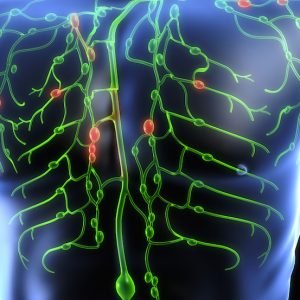
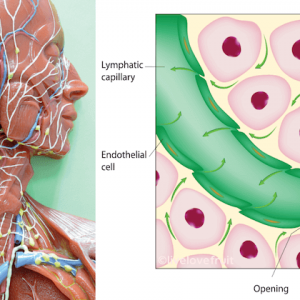
The lymphatic system is an extensive network of vessels, nodes, and organs that work alongside your cardiovascular system. Unlike blood vessels, lymphatic vessels carry lymph – a clear, slightly yellow fluid rich in immune cells – throughout your body.
Key Functions of the Lymphatic System:
- Immune Defense: Lymph nodes act as filters, trapping harmful pathogens like bacteria and viruses. Immune cells in lymph nodes attack and destroy these invaders.
- Waste Removal: It collects excess fluid from tissues, along with cellular waste, toxins, and debris, and transports them for elimination.
- Fluid Balance: The lymphatic system maintains fluid balance between your blood and tissues, preventing swelling and inflammation.
Think of it as your body’s natural drainage and defense system. When working properly, it plays a vital role in protecting you from illness and maintaining internal harmony.
The Lymphatic System and Cancer Progression
Cancer’s deadliest characteristic is its ability to spread, or metastasize, beyond the original tumor site. One of the main highways for this spread is the lymphatic system.
Cancer cells can invade nearby lymphatic vessels, hitching a ride through the lymph fluid to other parts of the body. This is often why doctors check lymph nodes near tumors, to see if cancer has begun to spread.
This is why most cancer tests include a lymph biopsy: if cancerous cells are prevalent in lymph, its likely that they exist in other organs as well. Most of the escaped cancer cells die or are killed in the lymphatic system before they can start growing elsewhere, but when the lymphatic system is not strong enough (such as when it’s stagnant, fight off infection, or battling a main tumour elsewhere), one or two cancer cells may slip through, begin to grow, and form new tumours. This is called metastasis.
Cancer researchers and immunologists at Sweden’s Karolinska Institutet have now discovered that cancer cells can actually infiltrate the lymphatic system by “disguising” themselves as immune cells (white blood cells).
Why does this matter?
- Early Detection: Swollen or abnormal lymph nodes are often an early sign that cancer may be spreading.
- Staging and Prognosis: The presence of cancer cells in lymph nodes often indicates a more advanced stage and can influence treatment decisions.
- Metastasis Risk: Lymphatic spread allows cancer to reach distant organs, complicating treatment and lowering survival rates.
For example, in breast cancer, involvement of axillary lymph nodes (under the arm) is a critical factor in assessing disease progression. Similarly, melanoma and certain other cancers commonly spread through lymphatic pathways.
While the lymphatic system can unfortunately act as a conduit for cancer spread, it’s also a powerful immune organ capable of fighting cancer cells, if kept healthy and flowing well.
Signs of a Congested or Dysfunctional Lymphatic System
Because your lymphatic system isn’t powered by a central pump like the heart, it relies heavily on muscle movement, breathing, and other factors to keep fluid moving. When lymph flow slows or becomes blocked, congestion can occur.
Common signs of lymphatic congestion include:
- Swelling or puffiness, especially in limbs (lymphedema)
- Frequent infections or slow healing wounds
- Fatigue and brain fog
- Recurring sinus congestion or allergies
- Skin problems such as dryness, itchiness, or cellulite
- Feeling “heavy” or sluggish after long periods of sitting or inactivity
- Suppressed immune system (constantly getting sick)
While these symptoms don’t necessarily mean cancer, they can indicate your lymphatic system isn’t functioning optimally, potentially increasing your risk for chronic inflammation and disease.
Why Keeping Your Lymphatic System Healthy Can Help Prevent Cancer
You might wonder: how does a healthy lymphatic system help prevent cancer?
The lymphatic system plays two key protective roles:
- Immune Surveillance: A flowing lymphatic system ensures immune cells can patrol your body efficiently, identify abnormal cells (including cancer cells), and destroy them before they multiply.
- Toxin Elimination: It helps clear toxins, waste products, and inflammatory molecules that might otherwise damage DNA or promote cancerous mutations.
Several scientific studies have shown that impaired lymphatic function is linked to higher risks of chronic disease, including cancer. When lymphatic flow is sluggish, toxins and waste accumulate, creating an environment where cancer can thrive.
Supporting your lymphatic system isn’t just about detoxing. It’s about strengthening your body’s first line of defense against cancer and other chronic illnesses.
10 Ways to Keep Your Lymphatic System Flowing Healthy
Thankfully, there are many simple, natural ways you can support your lymphatic system daily. These lifestyle habits improve lymph flow, boost immunity, and help your body stay balanced.
1. Yoga and Movement
Yoga is a powerful practice for lymphatic health. Many yoga poses, especially those that invert the legs like downward dog or legs-up-the-wall, use gravity to encourage lymph flow. The gentle stretching and deep breathing also stimulate lymphatic vessels.
Try to include:
- Inversion poses
- Gentle twists
- Deep, mindful breathing (pranayama)
- Regular movement breaks throughout the day
Yoga not only enhances lymph circulation but also reduces stress, which can impair lymphatic function.
2. Lymphatic Drainage Massage
This specialized form of massage targets lymph nodes and vessels to encourage lymph flow and drainage. It helps move stagnant lymph fluid, which may otherwise lead to swelling or toxin buildup.
Studies show lymphatic massage can increase lymph flow up to 20 times, aiding detoxification and immune support.
You can visit a certified lymphatic drainage therapist or learn gentle self-massage techniques focused on:
- Neck and collarbone area
- Underarms
- Abdomen
- Groin
Massage should be gentle, with light pressure, always moving toward the heart.
3. Regular Exercise
Exercise is one of the best ways to pump lymph fluid because lymphatic vessels rely on muscle movement to push fluid along.
Great activities for lymphatic health include:
- Rebounding on a mini trampoline
- Swimming
- Dancing
- Walking or jogging
- Strength training with full-body movements
These exercises open and close lymphatic valves, increasing flow by 15-30 times!
Try to move your body at least 30-60 minutes most days of the week.
4. Dry Brushing
Dry brushing involves using a stiff natural bristle brush on dry skin before showering. Brushing your skin toward the heart stimulates lymph vessels and improves circulation.
Benefits include:
- Enhanced lymph flow
- Improved skin tone and texture
- Reduction in cellulite appearance
Brush gently in circular motions, focusing on arms, legs, and torso. Do this 2-3 times per week for best results.
5. Deep Breathing Exercises
Breathing deeply with full lung expansion helps pump lymph fluid through your thoracic duct, the largest lymphatic vessel.
Practice diaphragmatic or abdominal breathing for 5-10 minutes daily:
- Inhale deeply through your nose, expanding your belly
- Exhale fully through your mouth
- Focus on slow, controlled breaths
This simple practice supports lymph flow and reduces stress hormones that hinder immune function.
6. Hydration
Water is the lifeblood of your lymphatic system. Lymph fluid is mostly water, so dehydration causes it to thicken and slow down.
Drinking 2-3 liters (about 8-12 cups) of clean water daily keeps your lymph fluid thin and flowing.
Tip: Add a slice of lemon or a pinch of sea salt to enhance hydration and electrolyte balance.
7. Iodine-Rich Foods
Iodine deficiency can contribute to lymphatic congestion and thyroid dysfunction, indirectly affecting lymphatic health.
Foods high in iodine include:
- Seaweed varieties like dulse, nori, and kelp
- Himalayan or sea salt
- Mushrooms
- Beets
Incorporating these into your diet supports cellular detox and lymphatic cleansing.
8. Red and Purple Phytonutrient-Rich Foods
Foods that stain red or purple, like beets, cherries, berries, pomegranate, and cranberries, contain powerful phytonutrients that help stimulate lymph movement and detoxification.
These antioxidants reduce inflammation and support immune cells in the lymphatic system.
Try to add a variety of these fruits to your daily diet, fresh or as juices and smoothies.
9. Leafy Greens and Chlorophyll
Leafy greens such as spinach, kale, arugula, and herbs like cilantro and parsley are rich in chlorophyll, a natural blood purifier.
Purifying your blood means less toxin buildup in lymph fluid, making it easier for your body to detoxify.
Green smoothies are an easy way to consume a large amount of chlorophyll-rich greens regularly.
10. A Clean, Whole-Food Diet
A diet full of processed foods, sugar, red meat, dairy, soy, and gluten can cause inflammation, acidify your body, and thicken lymph fluid.
Instead, focus on:
- Raw fruits and vegetables
- Nuts and seeds
- Whole grains (if tolerated)
- Sea vegetables
- Plant-based protein sources
Eating seasonally and locally can also help your body align with natural detox cycles.
Lifestyle Habits to Avoid That Can Harm Your Lymphatic Health
Supporting your lymphatic system also means avoiding behaviors that clog or burden it:
- Sedentary lifestyle: Sitting too long slows lymph flow
- Chronic dehydration: Limits lymph fluid movement
- Smoking and excessive alcohol: Introduce toxins and impair immune response
- Exposure to environmental toxins: Plastics, chemicals, heavy metals
- High stress: Chronic stress hormones suppress lymphatic and immune function
- Poor posture: Can restrict lymphatic vessels and slow drainage
Mindfulness about these factors is essential for a healthy lymphatic system.
When to See a Healthcare Provider
If you notice persistent or unusual swelling, especially in your limbs or lymph nodes, or unexplained lumps near your collarbone, neck, or groin, it’s important to seek medical evaluation.
Early detection and treatment are crucial if cancer is suspected.
Your healthcare provider may recommend imaging or biopsy to assess lymph node involvement.
The Bottom Line
Your lymphatic system plays a vital but often overlooked role in cancer progression and prevention. It’s both a potential pathway for cancer spread and a frontline immune defense.
By understanding this dual role and adopting simple lifestyle habits, like movement, hydration, diet, and breathing, you can keep your lymphatic system flowing strong and healthy. These changes not only support cancer prevention but also boost overall vitality, immunity, and well-being.
Empower yourself today by giving your lymphatic system the care it deserves. After all, prevention is the best medicine, and your body is your greatest ally.







I would like to chat with you, but I prefer to do it privately and I am not sure if leaving a comment here is private. Can you please contact me at [email protected]. Thank you in advance.
Very informative. Enjoyed it
Very informative. Do you ever hold live events in Canada?
I don’t currently, but I do plan to in the future! 🙂
Very interesting info. I am allergic to iodine & shellfish, along with many other of the foods you mentioned. Can multi vitamins and supplements help improve drainage? Which would you recommend?
I would suggest utilizing other methods of lymphatic drainage like rebounding, yoga, and consuming a whole foods plant-based diet.
One of the easiest ways to get the lymph system going is bouncing on a trampoline. I’m surprised that is missed out of this list.
Hey Steven! I mention rebounding 🙂 It’s under the exercise part.
Hi Carly, I have a stand up massage machine. Will this do the same or similar as rebounding.
Thanks
Rod
Hey Rod – massage is a great way to get the lymphatic system moving, but unless it is targeted to drain the lymphatic system, then it won’t be as effective as something like rebounding where you are physically moving your body.