

You probably sprinkle cilantro on your guacamole or toss it into a fresh salsa without thinking twice. But what if this humble herb is quietly doing heavy lifting inside your body? Beyond its vibrant flavor, cilantro (Coriandrum sativum) is a potent functional food with compounds that support detoxification, heart health, digestion, and mental well-being.
Today, as more people turn to functional foods and herbs for daily wellness, cilantro stands out as an herb that’s easy to add to meals and surprisingly potent in its effects. In this article, we’ll explore 9 health benefits of cilantro, the nutrients and compounds that make them possible, emerging research, and practical tips for incorporating this flavorful herb into your life safely and effectively.
What Is Cilantro?
Cilantro (also known as Coriandrum sativum) is the leafy part of the coriander plant, an aromatic herb from the parsley family. The fresh leaves are called cilantro, while the dried seeds are known as coriander. You’ve probably tasted it in guacamole, salsa, or Thai curry. But beyond its bold, citrusy flavor, cilantro is a powerhouse of healing compounds with surprising benefits for your brain, liver, heart, and more.
Ancient cultures used cilantro for everything from digestion to detox. The Greeks used it in perfumes, and the Romans used it to preserve meat. Modern science is finally catching up, uncovering how cilantro’s phytochemicals, like linalool, quercetin, and chlorogenic acid, support the body’s natural detox and repair systems.
Nutritional Profile & Key Phytochemicals
Cilantro is low in calories but high in vitamins and minerals, including:
- Vitamin K (supports bone health and blood clotting)
- Vitamin A (eye and immune health)
- Vitamin C (immune and antioxidant support)
- Potassium (supports heart and muscle function)
- Manganese (cofactor in antioxidant enzymes)
Cilantro also contains bioactive compounds such as flavonoids, polyphenols, linalool, and quercetin, which contribute to its antioxidant, anti-inflammatory, and antimicrobial effects. These compounds form the biochemical basis for many of the health benefits described below.
Fresh leaves vs. seeds vs. extracts: Fresh leaves retain most antioxidants, while seeds offer slightly different compounds useful in digestion and blood sugar management. Extracts may concentrate specific phytochemicals but can lack fiber and other micronutrients.
9 Health Benefits of Cilantro
Let’s dive into nine impressive, science-backed ways cilantro supports your health.
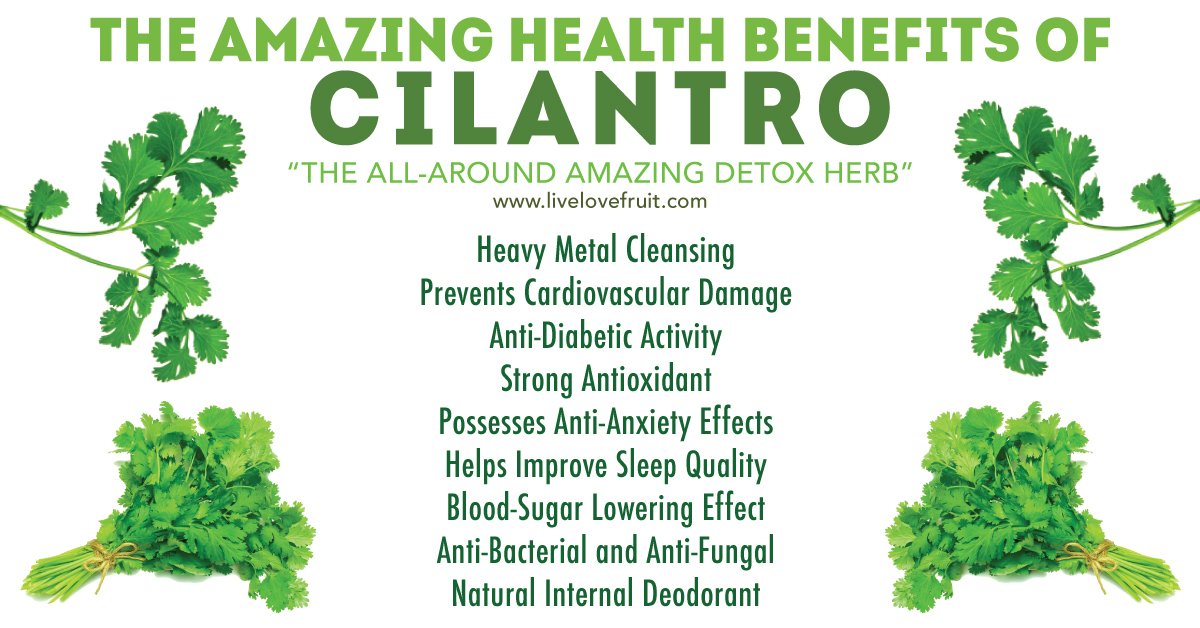
1. Cilantro Supports Natural Detoxification (Including Heavy Metals)
One of cilantro’s most talked-about benefits is its ability to help the body excrete heavy metals: substances like mercury, lead, and aluminum that can accumulate from pollution, food, or cookware.
Compounds in cilantro, especially its polyphenols and flavonoids, can bind to certain metals in laboratory studies and help escort them out of tissues. Animal studies show that cilantro extract may reduce lead absorption and protect against metal-induced oxidative stress
(1✓)✓ Trusted ResourcePubMed CentralHighly respected database from the National Institutes of HealthRead source.
While human evidence is limited, cilantro can be part of a supportive detox protocol. Think of it as a helper herb, not a chelation therapy replacement, but a gentle daily ally that helps your liver and kidneys flush waste more effectively.
Best way to use: Add cilantro to green juices, salads, or smoothies alongside other detox-supportive foods like chlorella, garlic, and lemon.
2. Promotes Heart Health and Balanced Cholesterol
Cilantro supports your cardiovascular system in multiple ways. Its organic acids and antioxidants may help reduce LDL (bad) cholesterol and increase HDL (good) cholesterol, according to several preclinical studies. It can also help dissolve minor cholesterol deposits in arterial walls, improving circulation (2✓)✓ Trusted ResourcePubMed CentralHighly respected database from the National Institutes of HealthRead source.
Cilantro’s natural diuretic properties help the body release excess sodium, supporting healthy blood pressure. Every 100 grams of cilantro provides over 500 mg of potassium and very little sodium, a ratio that supports a healthy heart rhythm and balanced blood pressure.
Best way to use: Add a handful of cilantro to homemade pesto or green hummus for an easy heart-healthy upgrade.
3. Helps Balance Blood Sugar Levels
Cilantro has long been known as an “anti-diabetic” herb in traditional medicine, and modern research supports that reputation. Animal studies show cilantro leaf and seed extracts may lower blood glucose levels and improve insulin sensitivity.
It’s thought to work by helping cells absorb glucose more efficiently and by protecting pancreatic beta cells from oxidative damage (3✓)✓ Trusted ResourcePubMed CentralHighly respected database from the National Institutes of HealthRead source. Cilantro is also rich in potassium and fiber, two nutrients that help stabilize blood sugar naturally.
Best way to use: Blend fresh cilantro into juices or smoothies, or sprinkle it over carbohydrate-heavy meals to help buffer post-meal spikes.
4. Rich in Antioxidants That Protect Cells from Damage
Cilantro contains a mix of antioxidants such as quercetin, kaempferol, and chlorogenic acid. These compounds neutralize free radicals, unstable molecules that drive inflammation, aging, and disease.
Studies have shown cilantro extracts help reduce oxidative stress markers in the brain, liver, and kidneys of animals exposed to toxins (4✓)✓ Trusted ResourcePubMed CentralHighly respected database from the National Institutes of HealthRead source. The antioxidants in cilantro may also help slow the damage linked to chronic diseases like heart disease, arthritis, and neurodegeneration.
Best way to use: Toss fresh cilantro on top of soups and curries after cooking — heat can destroy some antioxidants.
5. Calms the Nervous System and Reduces Anxiety
Cilantro’s soothing scent is more than refreshing; it’s therapeutic. Research in animal models suggests cilantro extract has mild sedative and anti-anxiety effects, likely through its ability to relax muscles and modulate GABA (a calming neurotransmitter) (5✓)✓ Trusted ResourcePubMed CentralHighly respected database from the National Institutes of HealthRead source.
For anyone dealing with chronic stress, cilantro may support relaxation, reduce tension, and help you sleep better.
Best way to use: Try a “calming green juice” with cilantro, cucumber, celery, and lime after a stressful day.
6. Improves Sleep Quality
The same compounds that calm the nervous system may also help promote better sleep. Cilantro’s natural sedative properties can make it easier to fall asleep and stay asleep by easing the nervous system and reducing nighttime cortisol (the stress hormone) (6✓)✓ Trusted ResourcePubMed CentralHighly respected database from the National Institutes of HealthRead source.
Best way to use: Add cilantro to a bedtime smoothie or sip cilantro-infused herbal water in the evening.
7. Boosts Gut Health and Digestion
In Ayurvedic and traditional medicine, cilantro is known for cooling the digestive tract and easing bloating, nausea, and indigestion. It can help stimulate digestive enzymes and bile production, supporting nutrient absorption and fat metabolism (7✓)✓ Trusted ResourcePubMed CentralHighly respected database from the National Institutes of HealthRead source.
Its antimicrobial properties may also help balance gut flora, supporting healthy digestion and regular elimination.
Best way to use: Mix chopped cilantro with lemon and ginger into a dressing or dip to support digestion before meals.
8. Natural Antimicrobial and Antifungal Properties
Cilantro essential oil and leaf extracts have been shown to inhibit harmful bacteria and fungi, including Salmonella, E. coli, and Candida. These antimicrobial effects come from its linalool and other volatile oils (8✓)✓ Trusted ResourcePubMed CentralHighly respected database from the National Institutes of HealthRead source.
While it’s not a replacement for antibiotics, cilantro can support your immune system and help protect against foodborne illness or mild infections.
Best way to use: Add cilantro to raw dishes like salsas or salads for a fresh, antimicrobial punch.
9. Acts as a Natural Internal Deodorant
Because cilantro is rich in chlorophyll, a pigment that oxygenates and purifies the blood, it helps neutralize body odors from within (9✓)✓ Trusted ResourcePubMed CentralHighly respected database from the National Institutes of HealthRead source. It supports the liver in processing toxins more efficiently, reducing the bacterial waste that can lead to unpleasant smells.
Best way to use: Blend cilantro with parsley, cucumber, and lemon for a morning “internal deodorant” juice that cleanses from the inside out.
Bonus: Emerging Benefits & Other Uses of Cilantro
- Skin and cosmetic potential: Cilantro extracts may soothe dermatitis, eczema, and other minor skin conditions (10✓)✓ Trusted ResourcePubMed CentralHighly respected database from the National Institutes of HealthRead source.
- Potential anticancer effects: Test-tube studies suggest cilantro compounds could slow the growth of certain cancer cells (11✓)✓ Trusted ResourcePubMed CentralHighly respected database from the National Institutes of HealthRead source.
- Genetic taste sensitivity: Some people perceive cilantro as “soapy” due to genetic variation: harmless but worth noting for adoption (12✓)✓ Trusted ResourcePubMed CentralHighly respected database from the National Institutes of HealthRead source.
- Food safety: Fresh cilantro can harbor bacteria; rinse thoroughly and consider sourcing organic to reduce pesticide residue.
Are There Any Risks or Side Effects of Cilantro?
Cilantro is considered very safe for most people, but a few cautions are worth noting:
- Those allergic to parsley or celery may react similarly to cilantro.
- If you’re taking medications for diabetes or blood pressure, talk to your doctor before consuming large amounts.
- Some people have a genetic sensitivity that makes cilantro taste soapy, completely harmless, just a quirk of taste receptors.
How to Add More Cilantro to Your Diet
Cilantro is incredibly versatile, and the more you incorporate it, the more you’ll benefit from its nutrients and bioactive compounds. Here are some simple ways to make it a regular part of your meals:
1. Blend It
Cilantro adds a fresh, bright note to smoothies, juices, and soups. Try blending a handful into:
- Green smoothies with spinach, cucumber, apple, and lime.
- Detox juices with celery, lemon, and a touch of ginger.
- Creamy cold soups like gazpacho or avocado-cilantro soup.
Blending raw cilantro preserves its antioxidants, making this an easy way to boost your nutrient intake without altering your meals.
2. Sprinkle It
A quick sprinkle of fresh cilantro can instantly elevate both flavor and nutrition. Some ideas:
- Over tacos, burrito bowls, or enchiladas.
- On roasted vegetables: think sweet potatoes, cauliflower, or carrots.
- Added to curries, soups, or stir-fries after cooking to retain delicate phytochemicals.
Even a small handful adds chlorophyll, vitamins, and antioxidant compounds to your meal.
3. Mix It
Cilantro can be incorporated into sauces, dips, and spreads:
- Blend it into a pesto with olive oil, garlic, and nuts or seeds for sandwiches and pastas.
- Add it to hummus, guacamole, or bean dips for extra freshness and a nutrient punch.
- Stir into salad dressings with lime, apple cider vinegar, and a pinch of salt for a zesty finish.
This method is especially handy for getting your daily dose of cilantro if you’re not into eating it raw on its own.
4. Juice It
For those focused on detox or internal cleansing, cilantro can be combined with other cleansing foods:
- Juices with celery, cucumber, lemon, and a handful of cilantro help support liver and kidney function.
- Mix it with green apples and parsley for a refreshing morning drink that balances flavor and nutrition.
Juicing allows you to consume larger amounts at once, which can be helpful if you’re targeting detox or heavy-metal support (remember, moderation and variety matter).
5. Storage Tips
Cilantro can be a bit finicky, but with proper storage, it can last up to two weeks:
- Place stems in a jar of water, like a bouquet of flowers.
- Loosely cover the leaves with a plastic bag or cloth to protect them from wilting.
- Store in the fridge and change the water every couple of days for maximum freshness.
Alternatively, if you have an abundance, chop cilantro and freeze it in ice cube trays with a little water or olive oil, perfect for soups, sauces, and smoothies.
The Bottom Line
Cilantro isn’t just a garnish. It’s a small but mighty herb that quietly works to support your body from the inside out. From helping your liver flush toxins and balancing blood sugar, to calming your nervous system, improving sleep, and protecting your heart, this vibrant green leaf does more than just flavor your food.
Incorporating cilantro into your daily meals is easy, delicious, and scientifically backed. Whether you sprinkle it over tacos, blend it into a smoothie, or juice it with celery and cucumber, every bite is a step toward better detoxification, immunity, digestion, and overall wellness.
The real magic? It’s simple, everyday foods like cilantro (not expensive supplements!), that can quietly transform your health over time. Start small, be consistent, and notice the subtle but powerful ways this humble herb supports your body.





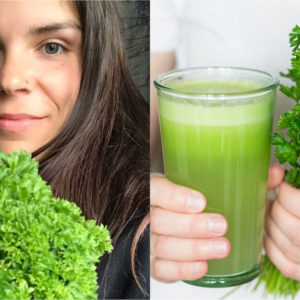
[…] Dose: 1 bunch full (or 1-2 cups worth) This medicinal herb helps aid in digestion and possesses anti-inflammatory properties that have been traditionally used in parts of India for centuries. It is one of the best sources of chlorophyll, which inhibits inflammation and TNF-α gene expression (a pro-inflammatory cytokine). Cilantro is also great for balancing hormones and ridding the body of heavy metals. […]