
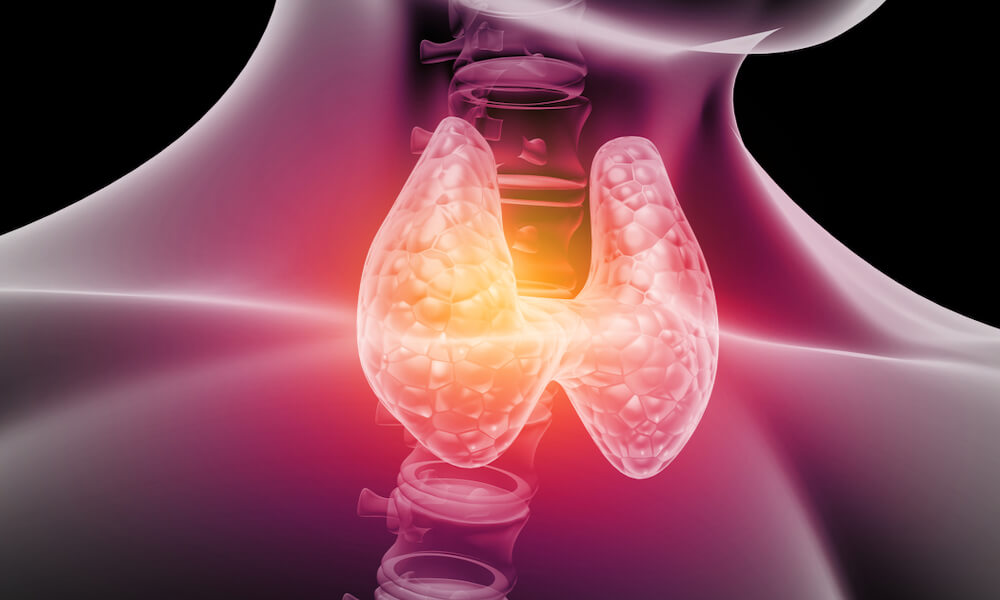
Can you really heal your thyroid naturally with proper diet, exercise and stress maintenance? The answer is yes! When individuals are told they have hypo- or hyperthyroidism, the “only option” available to them by their doctors is drugs – these drugs also come with nasty side effects like heart palpitations, nervousness, insomnia, tremors, frequent bowel movements, discomfort in warm weather, and osteoporosis (bone thinning as a result of taking high medication doses for long periods of time).
How Does The Thyroid Work?
The thyroid sits in the front of the neck and is responsible for secreting proper amounts of thyroid hormone. The thyroid is incredibly important because it effects every cell in the human body by helping to increase or decrease the metabolic activity of the cells.
There are a variety of causes as to why your thyroid might be malfunctioning. Below are some of these causes:
Nutrient Deficiencies:
Chromium, copper, iodine, iron, selenium, zinc, vitamin A, vitamin B2, vitamin B6, and vitamin B12
Medications:
Beta blockers, birth control pills, estrogen, iodinated contrast agents, lithium, phytoin, steroids, theophylline
Nutrition:
Too many cruciferous vegetables, soy
Other:
Aging, alcohol, lipoic acid, diabetes, fluoride, lead, mercury, obesity, pesticides, radiation, stress, surgery
How Can You Fix Your Thyroid Naturally?
Improving your overall health through eating properly and ruling out adrenal fatigue is the first step to helping your thyroid heal on its own, naturally. In addition, ensuring adequate sleep, recovery from any kind of exercise and proper stress reduction techniques are all critical in improving thyroid function.
Here are SIX STEPS to help your thyroid start functioning at it’s optimal best:
1. Foods You Should Be Consuming:
Seaweeds
Seaweed products like nori, kelp, dulse, wakame, etc. are very high in iodine which is what a lot of individuals with thyroid problems are lacking. Iodine is essential for proper thyroid functioning because it helps the thyroid gland produce the hormone thyroxin which regulates our metabolism.
Selenium-rich Foods
A major contributor to thyroid problems is a lack of selenium. This mineral keeps the various hormones produced by the thyroid gland in balance. Foods rich in selenium include garlic, kelp, onion, sunflower and sesame seeds as well as brazil nuts!
Essential Fatty Acids
To help out our metabolism, it is important to eat foods rich in Omega-3 and Omega-6 fatty acids. This includes things such as leafy green vegetables, nuts (i.e., walnuts), pumpkin & sunflower seeds, hemp seeds, chia seeds and avocado. Don’t forget seeded fruits such as watermelon, berries, pomegranates, kiwi, etc. also contain these essential fatty acids within their seeds. Consuming watermelon seeds is harmless! They taste wonderful too! Finding seeded watermelons is pretty much near impossible unless you grow your own heritage watermelon or pick up non-hybrid watermelons from a local farmers market.
Copper & Iron-rich Foods
Copper and iron are also crucial to help the thyroid function properly. Foods rich in copper include things such as sunflower & hemp seeds, nuts (cashews, walnuts, hazelnuts, brazil nuts), shittake mushrooms, spirulina, and tomatoes. Copper is also found (in lesser amounts) in pears, persimmons, peaches, apricots, prunes, dates, grapes, avocado, and potatoes.
For an extensive list of iron-rich plant foods to consume, click HERE.
2. Foods You Should Eliminate:
Soy
Soy is in the category of foods known as “goitrogens” which promote the formation of a goiter (enlarged thyroid). Goitrogens also slow down thyroid functioning and can trigger thyroid disease. The isoflavones found in soy are inhibitors of thyroid peroxidase which is the main factor in creation of T3 and T4. Inhibition of thyroid peroxidase can lead to thyroid abnormalities.
Too many cruciferous vegetables
Cruciferous vegetables contain compounds called goitrogens, substances that disrupt the production of thyroid hormones by interfering with iodine uptake in the thyroid gland. This doesn’t mean to eliminate cruciferous vegetables – these guys are vitamin and mineral dense and have wonderful effects on the body. In fact, I encourage you to eat these foods, just not every day. Limiting yourself to cruciferous vegetables 3-4 times per week, instead of 7 days a week is a good place to start! Cruciferous vegetables include things like brussels sprouts, kale, cauliflower, cabbage, collard greens, bok choy, chinese cabbage, watercress, arugula, turnips and parsnips.
Wheat Products (and other grains like rye and barley)
Foods that contain gluten (aka. wheat, rye, barley) contain gliadin (the protein portion of gluten), which closely resembles the molecular structure of the thyroid gland. When we consume gluten, this protein is targeted by the immune system for destruction – but, because the thyroid gland also closely resembles this protein, the immune system gets confused and also starts attacking the thyroid gland, mistaking it for the gliadin intruder.
If you must eat grains, consume pseudo-grains like rice, amaranth, buckwheat, quinoa, sorghum, teff or wild rice! There are plenty of options available, as you can see!
Coffee
Be wary of your coffee intake. Coffee raises cortisol levels, and cortisol slows down the production of thyroid hormone. In addition, if you are on thyroid medication, coffee consumed within 60 minutes of taking said hormone replacements reduces absorption even further. Our thyroid hormone consists of two main players: T4 and T3. T4 is needed to make T3, and T3 is the component that helps boost metabolism, keeps weight levels down, and puts you in a happy mood. High cortisol (triggered by coffee consumption, and other external stressors as mentioned below) blocks the production of T3, leading to slowed metabolism, weight gain and poor moods.
3. Reduce Stress:
Did you know that chronic stress can trigger a thyroid condition? If you suffer from any kind of thyroid condition, being able to manage your stress levels is essential! Especially if you wish to treat your thyroid naturally. When we are bombarded with stressful situations such as stressful jobs, relationships, financial issues, etc., our body goes into over-drive and our adrenal and thyroid glands become overwhelmed and stop functioning properly. As a protective mechanism, the body slows down thyroid hormone production to slow metabolism and slow down the catabolic process that normally occurs when the body is in a high state of stress.
Managing your stress by meditating and relaxing, getting out of toxic relationships with friends or lovers, opting for a job that will make you happy instead of stressed and learning how to properly manage your money are all ways to help de-stress and improve the functioning of the thyroid.
4. Exercise:
To improve thyroid function and to heal a poorly functioning thyroid you must exercise at least 3 days a week for 40 minutes! Whether that is walking, jogging, swimming, dancing, you name it! Exercise helps lower insulin levels (especially circuit training) which helps to boost thyroid function. Make sure you get adequate recovery time too! Without enough recovery time, your body will not have enough time to heal and this can lead to burnout.
5. Remove All Chemicals & Endocrine Disruptors:
This includes toxin-free living in your home and body. The endocrine system (also called “hormone system) is made up of glands throughout the body which secrete hormones to be released to other parts of the body (which respond to said hormones). The thyroid gland is apart of the endocrine system, and so it is important to avoid harsh chemicals, especially those classified as endocrine disruptors. Disruption of the endocrine system can occur via some chemicals which mimic a natural hormone and fool the body into over-responding to the stimulus or responding at times when not appropriate. Other endocrine disruptors block hormones from entering certain receptors, while others cause the overproduction or underproduction of hormones.
Many of your household chemical cleaners, hair-care products, skin-care products, air fresheners, perfumes, and the like, contain these chemicals. Going all-natural is the best way to avoid harsh chemicals. When it comes to eating food, switching to a high-organic, pesticide/herbicide/fungicide free diet is the best way to avoid any potential endocrine disruptors.
Here is a list of endocrine-disrupting chemicals which directly target the thyroid gland:
Persistent organohalogens (found in chemical cleaners, hair-care/skin-care products, etc.):
– Benzenehexachloride (BHC)
– Octachlorostyrene
– PBBs
– PCBs
– PCB, hydroxylated
Pesticides (found in MANY foods, not labeled organic: boxed, bagged, canned, fruits, veg):
– Acetochlor
– Alachlor
– Amitrol
– Chlofentezine
– Ethylene thiourea
– Fenbuconazole
– Fipronil
– Heptachlor
– Heptachlor-epoxide
– Karate
– Malathion
– Mancozeb
– Maneb
– Methomyl
– Mirex
– Nitrofen
– Pendimethalin
– Pentachloronitrobenzene
– Prodiamine
– Pyrimethanil
– Tarstar
– Thiazopyr
– Thiram
– Toxaphene
– Zineb
– Ziram
Other compounds:
– Perfluorooctane sulfonate (PFOS)
– Resorcinol
Metals:
– Mercury
Sources:
http://drchadedwards.com/1407/the-mismanaged-thyroid-gland-hormones/
http://www.webmd.com/a-to-z-guides/thyroid-hormone-medications-for-hypothyroidism
http://www.huffingtonpost.com/sara-gottfried-md/thyroid-coffee_b_1585136.html
http://www.epa.gov/endo/pubs/edspoverview/whatare.htm
http://www.ourstolenfuture.org/basics/chemlist.htm






Hi my name is Kerry, I found myself nervous at times and easily get anxious. However it was very embrassing to me so I went to the doctor. He said I should do a blood test I did and the result came back that I'm hyperthyroidism.
He put me on Apo-Propranolol and NeoMercazole and I'm not having the problems anymore but my concern is do I have to be on these medications forever?
No you don't need to be on the medication forever, but once you go off, your symptoms will re-appear. Drugs only cover up an issue that is more deeply rooted. So you are basically putting a temporary bandaid on your issue right now. Google "How to treat hyperthyroid naturally" and you will find many articles.
Hello Mam, This is Kunal from India and i m 28, just before 22 days i came to know that i have hypothyroidism over 37. As Dr. suggested i dropped taking over protein, soy items and some vegetables since last 22 days. Taking Thyronorm 50 every morning in empty stomach. Now I am having issue with my breathing which i feel has got shorten and also i feel dizziness throughout the day. Became weak . I remain anxious also. I searched over google for some solution but get confused on various suggestions. Today i found you and your site and i would follow your advises. Also Mam can you suggest me what food or fruit will give me energy and heal the breathing problem which i can take regularly. Looking forward to hear from you. Thank you.
I would get off medication immediately, its only covering up an underlying problem. Hypothyroid, take a kelp supplement for iodine, get plenty of sun, take a probiotic every day, and stop stressing.
Hi would you recommend getting off of synthroïd and onto a supplement ? Would that help to heal the gland ?
There are different ways of getting off medications – I would suggest seeing a naturopath and tell them you want to get off, and they will figure out a plan for you. Medications are just going to make the condition worse and not fix anything.
hello mam i jst found ur article today ive been diagnosed of hyperthyroidism 4months ago.my chinese doctor gave me a 100% pure organic seaweeds and fish oil and he advise me not do exercise or extreneous activity now im gaining weight what should i do to prevent from obessity?im 28yrs old
Hyper or hypo thyroid? You shouldn't be gaining weight if you are hyper.