
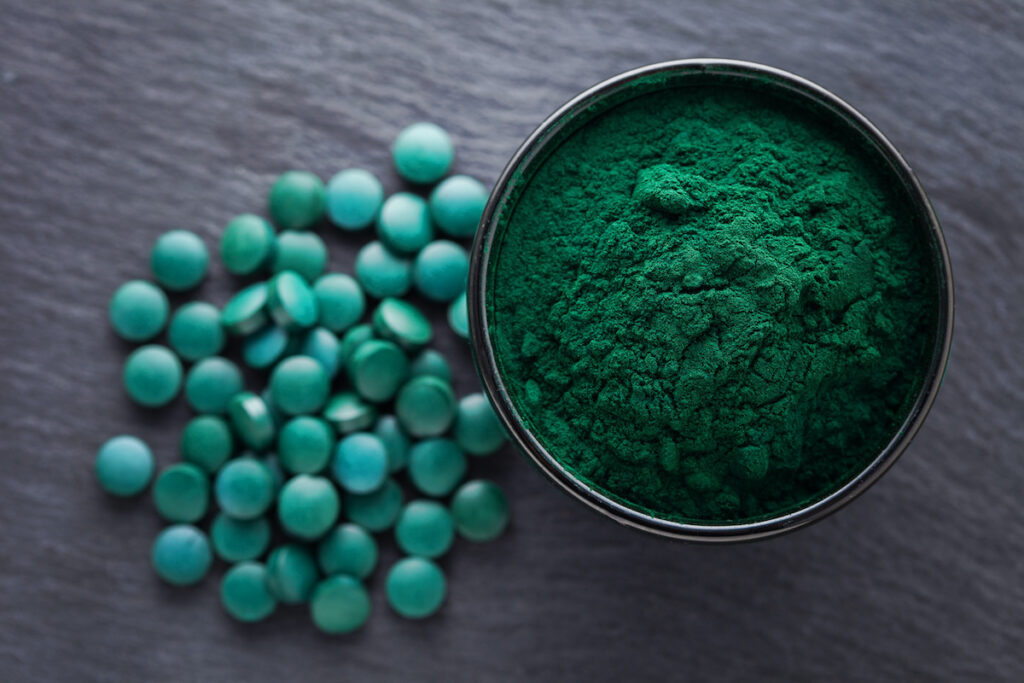
Want a green powder that’ll knock all other green powders out of the water (quite literally)? Then check out these amazing health benefits of spirulina!
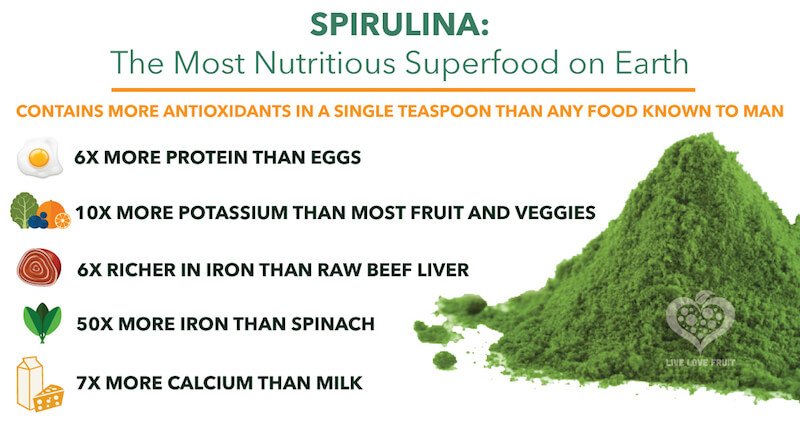
This 3.5 billion-year-old original green superfood grows in fresh water alkaline lakes, and contains, gram for gram, 6 times more protein than eggs, 7 times more calcium than milk, 50 times more iron than spinach, 10 times more potassium than most fruit and veggies, 4-6 times richer in iron than raw beef liver and contains a plethora of antioxidants in a single teaspoon!
What Is Spirulina?
Spirulina is a type of cyanobacteria (blue-green algae) that grows in both freshwater and saltwater environments. It has been consumed by humans for centuries, with historical use dating back to the Aztecs who used it as a protein source. More recently, it has been recognized as a superfood due to its impressive nutrient profile.
Spirulina is available in several forms, including powder, tablets, and capsules. It has a slightly earthy, algae-like taste, which is why many people prefer to mix it into smoothies or incorporate it into other recipes.
Here’s a closer look at spirulina’s nutrient content:
- Protein: Spirulina is more than 60% protein by weight, containing all essential amino acids.
- Vitamins: It’s an excellent source of B vitamins (B1, B2, B3, B6), vitamin E, and beta-carotene (a precursor to vitamin A).
- Minerals: It contains iron, magnesium, potassium, calcium, and trace elements like manganese and zinc.
- Antioxidants: Phycocyanin, chlorophyll, and carotenoids like zeaxanthin, which help protect cells from oxidative damage.
This rich blend of nutrients makes spirulina a powerhouse for improving general health.
12 Health Benefits of Spirulina
Spirulina isn’t just another supplement—it’s a true superfood that has been nourishing people for centuries. This vibrant blue-green algae is packed with nutrients that support energy, immunity, and overall well-being.
Whether you’re looking to boost your health naturally or add more plant-based power to your diet, spirulina has so much to offer.
Here are 12 incredible benefits that make it worth adding to your daily routine:
1. Anti-Viral
Algae is an incredible anti-viral. It has been found in multiple studies (here, here and here), to inhibit replication of viruses, and thus halt the spread of viruses like herpes simplex type I, human cytomegalovirus, measles virus, mumps virus, influenza A virus and HIV-1. Spirulina inhibits the penetration of viruses into host cells, and literally inhibits protein synthesis of the virus itself (without suppressing host cell protein synthesis – aka. it leaves healthy cells alone).
2. Anti-Cancer
Many studies have been done with cancer and spirulina. Because of the extent of studies, I’ll basically wrap up what they say in a paragraph or less (and provide you with sources here, here and here). Phycocyanin in spirulina helps fight free radicals and inhibits the production of inflammatory signalling molecules, which is a major factor involved in cancer. The antioxidant activity of spirulina, specifically beta-carotene, vitamin C, phenols, amines and phospholipids from this algae is particularly powerful. Studies have been conducted that found spirulina to be effective in reversing oral leukoplakia in pan tobacco chewers in Kerala, India. Complete regression of cancer was seen in 57% of subjects – when they discontinued taking spirulina, 45% of them developed recurrent lesions.
4. Cholesterol Reduction
Yup, spirulina also helps reduce cholesterol! A handful of studies (1, 2, 3) have found that spirulina is effective in reducing bad (LDL) and increasing good (HDL) cholesterol. Spirulina has a high concentration of GLA fatty acids that prevent accumulation of cholesterol in the body. It reduces serum cholesterol in hypercholesterolemic subjects, and has been found to decrease the amount of fat deposits in the arteries.
5. Diabetes and Hypertension Reduction
Full of nutrients, it’s no wonder that spirulina can help diabetics and reduce high blood pressure. Studies (1, 2, 3) have found that supplementing with spirulina lowers fasting blood glucose and improves long-term glucose regulation. With regard to lipids, triglyceride levels also lower significantly. The combination of these results show that spirulina is great for controlling blood glucose levels and actually helps improve the lipid profile of patients with type 2 diabetes.
6. Natural Anemia Treatment
Have an anemia problem? Spirulina can fix it! Spirulina is incredibly rich in iron and vitamin B12, and has been found in older subjects to ameliorate anemia and immunosenescence. Another study found that spirulina helped increase blood haemoglobin levels by 1.32 g/dl (11.65%) in a group of young anemic girls aged 18-22 years old. It is clear that the mass amounts of chlorophyll, iron, protein and other nutrients found in micro-algae help overcome anemia and other iron-related blood issues.
7. Kidney and Liver Detoxification
The antioxidant effects of spirulina have been well documented on studies related to liver or kidney injury (unfortunately on rats). Spirulina improved the antioxidant status of the liver and kidneys in this study, and improved the biochemical parameters of the liver and kidneys back to normal values of the control group. It also reduces the toxicity of the liver, kidney and testes. Individuals suffering from long-term kidney disease also usually have low immunity, and are prone to getting colds and infections. Consuming spirulina daily will improve immunity, and also the health of your liver and kidneys.
8. Immune System Improvement
Being a fantastic source of antioxidants, it is no wonder that spirulina is a master at improving the immune system. The most active component, phycocyanin, which gives spirulina its unique blue-green colour is the main antioxidant you can thank! One study found that natural killer cell (NK) functions were enhanced after administration of spirulina in over 50% of subjects. Natural killer cells are lymphocytes (white blood cells) that bind to certain tumour cells and virus-infected cells – spirulina enhances this effect. Another study done on chickens found that spirulina improves phagocytosis of macrophages, and enhances the functions of mononuclear phagocytic systems, increasing disease resistance.
9. Radiation Protection
Nuclear radiation, especially from the recent meltdown in Fukushima, Japan, is of major concern. We are exposed to radiation daily, and it not only affects us, but it affects our air, water and food supply. Spirulina has the ability to naturally chelate (break down) and remove radioactive isotopes and heavy metals from our body. Research published in the Journal of Medicinal Food in 2011 found that phycocyanins in spirulina protect unborn babies from being damaged by cadmium exposure. This is a good thing, considering there is a high concentration of cadmium in our food (gets absorbed through the soil). Another study found that spirulina reduced urine radioactivity levels by 50% in only 20 days – researchers gave 5 grams to children at the Institute of Radiation Medicine in Minsk, Belarus, and discovered that spirulina decreases radioactive dose load received from food contaminated with Cesium-137 and Stronium-90.
10. Digestion Improvement
Digestive health is improved when you start consuming spirulina. In The Colon Health Handbook, Robery Gray describes spirulina as a ‘metabolic activator’, which acts directly on the body and helps burn up mucoid plaques that get stuck in the pockets of our colon. Research in Japan (Effects of spirulina on caecum content in rats. by Y. Tokay, et al. 1987) has also shown that laboratory rats eating spirulina have higher levels of lactobacillus and B-vitamin absorption from the diet. Spirulina is also high in niacin, which supports enzyme function, controls your appetite and support healthy digestion.
11. Anti-Aging
Spirulina is a great anti-ager. Because of its high concentration of antioxidants, vitamins, minerals and phytonutrients, it makes it one of the best superfoods to fight any signs of aging. Antioxidants attack free radicals that roam throughout the body and damage the structure and function of DNA (which, ultimately, leads to aging of the body). By decreasing DNA damage, increasing DNA repair, and improving immune function of the body, spirulina is a must-have in your daily routine.
12. Metabolic Balance and Weight Loss
Although spirulina won’t bring around weight loss on its own, it provides the right conditions in the body to help achieve this goal. Spirulina is one of the richest natural sources of Gamma Linolenic Acid (GLA). GLA helps regulate blood sugar levels and helps prevent cravings. It also contains phenylalanine, which satisfies your appetite and helps control the appetite control center of the brain.
What is The Best Type of Spirulina?
When choosing spirulina, the quality of the product is paramount to ensure you’re getting all the benefits without any potential contaminants. Since spirulina grows in water, the environment where it’s cultivated is crucial to its purity and nutrient density.
1. Organic Spirulina
Opt for organic spirulina whenever possible. Organic spirulina is grown without the use of harmful pesticides, herbicides, or synthetic fertilizers. Choosing organic ensures that the spirulina is free from toxic chemicals, making it a safer option for your health.
2. Harvested in Clean, Controlled Environments
Spirulina should be grown in clean, controlled environments to ensure it doesn’t absorb harmful substances from polluted water or air. Some spirulina is cultivated in large, open bodies of water, which increases the risk of contamination. Look for spirulina that is grown in controlled, monitored environments—usually closed-loop systems that prevent contamination.
3. Made in Trusted Countries
When it comes to purchasing spirulina, the country of origin matters. Spirulina grown in the U.S. or other developed countries with strict agricultural standards is typically of higher quality. Unfortunately, spirulina from countries like China may be at risk for contamination. In some cases, spirulina can absorb heavy metals or toxins from polluted water sources. Therefore, it’s essential to choose spirulina from reputable manufacturers and countries with high-quality cultivation practices.
- Why Avoid Spirulina from China?
Spirulina cultivated in China has sometimes been linked to contamination with heavy metals, harmful bacteria, or other environmental toxins due to the country’s more relaxed environmental regulations. To reduce the risk of contamination and ensure purity, always check the source of the spirulina and look for certifications that guarantee high quality.
4. Look for Third-Party Testing and Certifications
To verify the quality and purity of spirulina, always look for third-party testing and certifications. Reputable spirulina manufacturers will often provide lab reports that test for contaminants like heavy metals, microcystins (toxic compounds produced by blue-green algae), and other harmful substances. These certifications assure you that the spirulina you’re purchasing is safe and pure.
- Important Certifications to Look For:
- Organic Certification (USDA Organic or EU Organic)
- Non-GMO Project Verified
- Third-Party Testing for Purity
By selecting spirulina from trusted sources, you can be sure that you’re consuming a high-quality product that will provide all the health benefits without any risks.
What is the Best Brand of Spirulina Powder?
Purchasing the right kind of spirulina is essential. That’s why I recommend Nutrex Hawaiian Spirulina, one of the highest quality spirulina brands out there! It provides you with the most protective, life-enhancing, live, bio-available, full-spectrum nutritional whole food for you to thrive on.
Biolumina includes 3-4 times more phycocyanin than any spirulina marketed today. It provides the greatest radiation-protecting and immune system-enhancing benefits available to us from any food or other substance. It makes you feel incredible, and after just a week of using it, you will notice significant health improvements.
Stick it in your smoothies, mix it in a glass of freshly pressed juice, make some beautifully colored banana nice cream, or simply mix in water and gulp in the morning before you start your day! Whatever you do, just make sure you get some in every day. I love putting it in banana nice creams and blending it with coconut water and a couple of medjool dates!

How to Incorporate Spirulina Into Your Diet
There are several easy and delicious ways to include spirulina in your daily diet:
- Smoothies: Add a teaspoon or two of spirulina powder to your favorite smoothie for an extra boost of nutrition.
- Capsules/Tablets: If you don’t love the taste of spirulina, you can take it in capsule or tablet form for a no-fuss supplement.
- In Water or Juice: Simply mix spirulina powder into a glass of water or juice.
- Sprinkle on Food: Sprinkle spirulina powder on salads, soups, or grain bowls for added nutrition.
The recommended daily dosage for spirulina is usually around 1 to 3 grams, though some individuals may take more depending on their needs. Be sure to start with a smaller dose to assess your body’s tolerance.
Are There Any Side Effects of Taking Spirulina?
Spirulina is generally safe for most people. However, there are a few things to keep in mind:
- Allergic Reactions: Some individuals may be allergic to spirulina, so it’s important to monitor any adverse reactions when trying it for the first time.
- Toxins in Low-Quality Spirulina: Make sure to purchase spirulina from a trusted brand, as low-quality spirulina can contain harmful toxins, such as microcystins.
- Autoimmune Conditions: People with autoimmune disorders should consult with their doctor before using spirulina, as it may stimulate the immune system.
As long as you choose a high-quality spirulina supplement and follow the recommended dosage, it can be a safe and effective addition to your diet.
The Bottom Line
From boosting energy to supporting heart health and promoting healthy skin, spirulina offers a wide range of health benefits. With its impressive nutrient profile and proven effectiveness, it’s no wonder that spirulina has earned its reputation as a superfood.
Ready to give it a try? Start with small doses and see how your body responds. Whether you mix it into your smoothies or take it as a supplement, spirulina can help you achieve your health goals and support long-term well-being.
Have you tried spirulina? Share your experiences in the comments below!






Do you think there is a likely problem with an allergic reaction to this? I am allergic to avocados, melons, kiwis and bananas so I always get scared to try a new product but this sound like something I really need in my diet. Also can kids have it as well?
Yes, kids can consume spirulina. I would try a small amount to see how you react, then increase the dosage.
What dosage is optimal for kidney and liver rejuvenation? Thank you.
I would supplement with a few teaspoons every day to help support the health of your internal organs.