

Your liver is one of the hardest-working organs in your body. It constantly filters out toxins, regulates hormones, and processes nutrients from the foods you eat. Yet most people don’t think about liver health until something goes seriously wrong. The truth is, your body often sends subtle signals when your liver is under stress. If you know what to look for, you can take action early and support this vital organ before problems escalate.
In this article, we’ll look at 10 warning signs your liver may need attention, and then explore natural, science-backed ways to support liver health without extreme cleanses or gimmicky detox products.
Why Your Liver Health Matters
Think of your liver as the body’s built-in detox powerhouse. It works around the clock to:
- Neutralize toxins from food, alcohol, medications, and the environment
- Break down hormones so they don’t build up
- Produce bile to digest fats
- Store vitamins, minerals, and glycogen for energy
- Metabolize fats, proteins, and carbohydrates
When the liver becomes overloaded, due to stress, processed foods, alcohol, pollution, or even chronic illness, it can’t function optimally. Over time, this impacts everything from digestion to mood.
Back in the day, when things were simpler and we had less chemical exposure and stress, our livers could handle toxic load more easily. Now, our livers are operating at max capacity, which can cause serious issues if you don’t know what to look out for.
Unfortunately, liver disease is on the rise worldwide, and many people don’t notice until it’s advanced. That’s why spotting early warning signs is so important.
10 Warning Signs Your Liver Needs Attention
Your body is smart. It usually tells you when something isn’t right. These signs don’t always mean you have liver damage, but if several apply, it may be worth taking a closer look at your lifestyle and discussing concerns with a healthcare professional.
1. Chronic Fatigue or Brain Fog
If you constantly feel drained despite getting enough sleep, your liver might be struggling. The liver helps filter out waste and toxins from your blood. When this process slows, waste can circulate longer, leading to inflammation that makes you feel tired and mentally foggy. Some research suggests this is linked to a buildup of ammonia and other toxins that affect brain function.
Real-life scenario: You feel exhausted by mid-morning, struggle to focus at work, and need multiple caffeine boosts just to stay alert.
What you can do:
- Support detox pathways with leafy greens and cruciferous veggies.
- Prioritize sleep! Your liver regenerates most actively at night.
- Reduce alcohol and processed foods, which create extra strain.
2. Digestive Issues and Bloating
The liver produces bile, a fluid essential for breaking down fats. When bile production slows, you might notice bloating after meals, indigestion, constipation, or pale-colored stools.
What you can do:
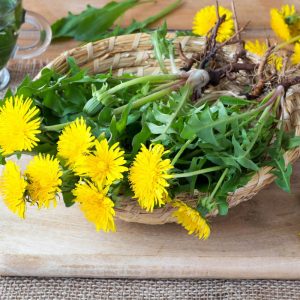
- Eat bitter foods like arugula, dandelion greens, and lemon. They naturally stimulate bile flow.
- Include healthy fats (like avocado, flax, and chia) to encourage bile production.
- Consider digestive teas (ginger, peppermint) that ease bloating and support liver function.
3. Unexplained Weight Gain or Stubborn Belly Fat
Your liver is the key regulator of fat metabolism. When it’s sluggish, fats aren’t broken down efficiently, leading to storage, often around the belly. A stressed liver can also mess with blood sugar balance and hormones, making weight loss harder.
What you can do:
- Stabilize blood sugar with high-fiber foods like oats, beans, and lentils.
- Exercise regularly to improve insulin sensitivity and circulation.
- Cut back on refined sugar, which contributes to fatty liver disease.
4. Skin Problems (Acne, Rashes, Itchy Skin)
Your skin often mirrors what’s happening inside. When the liver can’t keep up with detoxification, toxins may push out through the skin. This can show up as acne, eczema, hives, or persistent itchiness.
What you can do:
- Hydrate well to support toxin elimination.
- Load up on antioxidants (berries, green tea, turmeric) to reduce inflammation.
- Avoid heavily processed skincare with synthetic chemicals. They add to your liver’s burden.
5. Frequent Headaches or Migraines
Toxin buildup and poor circulation from an overworked liver can contribute to inflammation in the blood vessels, triggering headaches. Some people also notice migraines after alcohol or heavy meals, a sign that the liver is struggling.
What you can do:
- Keep alcohol to a minimum.
- Stay hydrated and eat magnesium-rich foods like pumpkin seeds, spinach, and almonds to reduce headaches.
- Try gentle liver-supportive herbs like milk thistle to ease the strain.
6. Dark Circles or Puffy Eyes
Dark under-eye circles aren’t always from poor sleep. Poor circulation and toxin buildup can make blood vessels under the thin skin around your eyes more visible, while water retention from liver sluggishness can lead to puffiness.
What you can do:
- Support circulation with regular exercise.
- Reduce sodium intake and increase potassium-rich foods (bananas, leafy greens) to balance fluids.
- Prioritize sleep and stress reduction, which both directly impact liver function.
7. Yellowing of Skin or Eyes (Mild Jaundice)
Even mild yellowing suggests your liver is struggling to process bilirubin, a waste product from breaking down red blood cells. This is one of the clearest signs of liver stress and shouldn’t be ignored.
What you can do:
- Seek medical evaluation immediately to rule out serious issues.
- In the meantime, avoid alcohol and processed foods completely.
- Support with antioxidant-rich foods (beets, carrots, turmeric).
8. Hormonal Imbalances and PMS
The liver breaks down excess estrogen and other hormones. When it’s sluggish, hormones build up, leading to heavy periods, mood swings, or PMS symptoms. Men may notice low testosterone or changes in libido.
What you can do:
- Eat cruciferous vegetables (broccoli, kale, Brussels sprouts) that help metabolize estrogen.
- Include flaxseeds and chia for hormone-balancing phytoestrogens.
- Reduce exposure to endocrine disruptors (plastics, pesticides, conventional beauty products).
9. Bad Breath or White-Coated Tongue
When waste products accumulate in the digestive system due to poor liver function, they can lead to halitosis (bad breath) or a coated tongue. This is often a sign of imbalanced gut flora, too, since liver and gut health are tightly connected.
What you can do:
- Eat probiotic foods like sauerkraut, kimchi, and unsweetened yogurt alternatives.
- Drink warm lemon water in the morning to support digestion and bile flow.
- Brush your tongue as part of oral hygiene.
10. Mood Swings, Irritability, or Anxiety
The gut-liver-brain connection means poor liver function can affect neurotransmitters like serotonin and dopamine. This can show up as mood swings, irritability, or even heightened anxiety.
What you can do:
- Support mental health with omega-3s (chia, hemp, flax).
- Practice stress-reducing habits like deep breathing, meditation, or journaling.
- Keep caffeine and alcohol moderate. Both can worsen anxiety and strain the liver.
What Science Says About “Detoxing” the Liver
A quick reality check: your liver is already a detox organ. It doesn’t need a fancy juice cleanse to “detox.” But like any organ, it performs better when you remove stressors and give it the right nutrients.
Research shows:
- Cruciferous vegetables help trigger liver detox enzymes.
- Polyphenols in foods like green tea and berries protect liver cells from oxidative stress.
- Excess alcohol, sugar, and processed foods contribute to fatty liver and inflammation.
So instead of crash cleanses, focus on a steady lifestyle support that helps your liver work as designed.
How to Support Your Liver Naturally
1. Eat Liver-Supportive Foods
Your liver thrives on nutrient-dense foods that enhance its detoxification pathways and protect liver cells from damage. Focus on:
- Cruciferous vegetables (broccoli, Brussels sprouts, kale, cabbage): These contain compounds called glucosinolates, which help activate liver enzymes that neutralize toxins. Regular consumption can reduce oxidative stress and support natural detoxification.
- Garlic and onions: Rich in sulfur-containing compounds, which help the liver produce glutathione, a critical antioxidant that neutralizes free radicals and supports detox.
- Beets and carrots: Contain betalains and carotenoids that reduce inflammation, support bile flow, and protect liver cells.
- Leafy greens (spinach, Swiss chard, dandelion greens): Act as natural liver cleansers by increasing bile production and promoting the elimination of toxins.
- Berries and citrus fruits: Packed with antioxidants, vitamin C, and polyphenols, these foods protect the liver from oxidative stress.
Tip: Try building your meals around at least one liver-supportive food. For example, add spinach to smoothies, steam broccoli as a side dish, or snack on fresh berries. Variety ensures your liver gets a full spectrum of protective compounds.
2. Stay Hydrated
Water is essential for flushing toxins through urine and sweat. Even mild dehydration can make the liver’s job harder because toxins remain in the bloodstream longer.
- Aim for at least 2–3 liters of water daily, adjusting for activity level and climate.
- Herbal teas like dandelion, ginger, or green tea support liver function while adding antioxidants. Dandelion, for example, has been shown in studies to stimulate bile production and support liver detoxification.
- Lemon water in the morning can gently stimulate bile flow and support digestion.
Tip: Carry a reusable water bottle and sip consistently throughout the day rather than trying to drink large amounts at once.
3. Limit Alcohol and Processed Foods
Alcohol is one of the main culprits behind liver stress and fatty liver disease. Even moderate drinking can contribute to fat buildup and inflammation over time. Processed foods add preservatives, trans fats, and added sugars, all of which increase toxin load.
- Reduce alcohol to occasional consumption, ideally replacing it with water, herbal teas, or sparkling water.
- Focus on whole, minimally processed foods. Choose fresh fruits, vegetables, legumes, nuts, seeds, and whole grains.
- Avoid fried foods, packaged snacks, and refined sugar. These increase oxidative stress and can lead to fat accumulation in the liver.
Tip: If cutting back on alcohol is difficult, start by replacing one alcoholic beverage per day with a liver-friendly alternative, like green tea or sparkling water with lemon.
4. Incorporate Herbal Support
Certain herbs and supplements have research-backed benefits for liver function:
- Milk thistle: Contains silymarin, which protects liver cells from damage, promotes regeneration, and supports detoxification pathways.
- Dandelion root: Stimulates bile production, which is essential for digesting fats and removing waste.
- Turmeric (curcumin): Reduces inflammation and oxidative stress in liver tissue.
- Artichoke leaf extract: Supports bile production and has been shown to help improve liver enzyme levels.
- Green tea extract: Rich in catechins that support liver health and protect cells from oxidative damage.
Tip: Use these herbs in teas, capsules, or incorporate them into cooking. Always check dosage recommendations and consult a healthcare professional if you have liver disease or take medications.
5. Prioritize Fiber and Gut Health
Fiber is your liver’s ally because it binds toxins and carries them out of the body through stool. A healthy gut microbiome also helps the liver by metabolizing and eliminating waste efficiently.
- Eat a variety of fiber-rich foods: legumes, oats, flax, chia, vegetables, fruits.
- Include fermented foods like kimchi, sauerkraut, and unsweetened plant-based yogurts to support gut flora.
- Avoid excessive sugar and refined carbs that disrupt gut bacteria and can contribute to fatty liver.
Tip: A simple daily practice: add a tablespoon of ground flaxseed to your morning smoothie or sprinkle chia seeds over salads.
6. Exercise and Movement
Regular movement helps your liver by:
- Increasing blood flow, which allows better transport of nutrients and removal of toxins.
- Supporting insulin sensitivity, which helps prevent fat buildup in the liver.
- Promoting lymphatic drainage, aiding the removal of cellular waste.
Recommendations:
- Aim for 30–45 minutes of moderate activity most days. Brisk walking, cycling, or swimming.
- Include strength training twice a week to support metabolism.
- Even daily short walks or stretching sessions improve circulation and liver function.
Tip: Consistency matters more than intensity. Find activities you enjoy to maintain adherence.
7. Manage Stress and Sleep
Stress hormones like cortisol can impair liver function and slow detoxification. Sleep allows the liver to repair and regenerate, so prioritizing both is essential.
- Practice stress-reduction techniques: meditation, yoga, deep breathing, journaling, or nature walks.
- Maintain a consistent sleep schedule, aiming for 7–9 hours per night.
- Reduce exposure to late-night screen time and stimulants like caffeine close to bedtime.
Tip: Consider a nightly wind-down routine: herbal tea, reading, or gentle stretching can signal your body that it’s time to rest, supporting liver repair.
8. Avoid Environmental Toxins
Your liver also processes environmental chemicals from air, water, and household products. Minimizing exposure reduces liver burden.
- Choose non-toxic cleaning products, skincare, and personal care items.
- Reduce plastic use, especially for food storage; use glass or stainless steel containers.
- Filter tap water if possible to reduce chlorine, fluoride, and heavy metals.
Tip: Even small changes, like swapping a plastic water bottle for a glass one, can reduce daily toxin intake.
9. Maintain a Healthy Weight
Excess fat, particularly around the abdomen, can increase the risk of non-alcoholic fatty liver disease (NAFLD). Maintaining a healthy weight reduces fat accumulation and supports liver function.
- Combine a nutrient-rich diet with regular exercise.
- Focus on steady weight loss rather than rapid dieting, which can stress the liver.
- Incorporate protein from legumes, lean meat, eggs, nuts, and seeds to preserve muscle during weight management.
Tip: Monitor progress with measurements and energy levels, not just the scale. Feeling better and having more energy is a sign your liver is thriving.
10. Limit Medications and Toxins When Possible
Overuse of medications like NSAIDs, acetaminophen, or certain antibiotics can strain the liver. While medications are sometimes necessary, reducing unnecessary intake and following dosage guidelines protects liver health.
- Always follow medical advice and avoid self-prescribing high doses.
- Consider natural alternatives for minor discomforts, such as turmeric for inflammation.
Tip: Talk to your healthcare provider about any long-term medication use and potential liver-friendly alternatives.
Common Myths About Liver Detoxes
There’s a lot of misinformation circulating about liver detoxes. From extreme juice cleanses to miracle pills, many claims sound convincing but aren’t supported by science. Busting these myths not only informs readers but also helps them take safe, effective steps toward liver health.
Myth 1: You Need a Juice Cleanse to Detox Your Liver
Many detox programs advertise that a short juice fast will “reset” your liver. The truth? Your liver is already a natural detoxifier. It doesn’t need a drastic juice cleanse to function.
- Fact: The liver detoxifies continuously by processing toxins from food, alcohol, medications, and environmental exposures. Extreme cleanses can deprive your body of protein, healthy fats, and essential nutrients that the liver needs for regeneration.
- Practical Tip: Instead of a juice cleanse, focus on nutrient-dense foods like leafy greens, cruciferous vegetables, beets, and berries to support liver detox pathways naturally.
Myth 2: Supplements Alone Can Repair Your Liver
The supplement industry often markets products as “miracle liver detoxers,” but no pill or powder can replace healthy lifestyle habits.
- Fact: Herbal supports like milk thistle, dandelion, and turmeric can help protect liver cells and support detoxification. But they work best when combined with a liver-friendly diet, adequate hydration, and reduced toxin exposure.
- Practical Tip: Use supplements as a complementary tool, not a replacement for healthy habits. Always consult a healthcare professional before starting new supplements, especially if you take medications.
Myth 3: A One-Time Detox Can “Reset” Your Liver
Many people believe that doing a 3–7 day cleanse will repair months or years of liver stress.
- Fact: Liver health is a long-term commitment. The liver regenerates continuously, but sustained lifestyle choices, such as reducing alcohol, eating a nutrient-dense diet, exercising, and managing stress, are what truly improve liver function over time.
- Practical Tip: Make incremental, sustainable changes rather than relying on a single detox period. Small daily habits accumulate into long-term liver support.
Myth 4: Fatty Liver Only Affects Overweight People
Some assume that only those carrying excess weight need to worry about liver health.
- Fact: Non-alcoholic fatty liver disease (NAFLD) can occur in normal-weight individuals, particularly if they consume a high-sugar or highly processed diet, have insulin resistance, or are exposed to chronic environmental toxins.
- Practical Tip: Don’t rely solely on body size as an indicator of liver health. Watch for subtle warning signs like fatigue, digestive issues, or mood changes.
Myth 5: Detox Teas and Drinks Are Always Safe
Many “liver detox teas” promise dramatic results with minimal effort, but safety can be an issue.
- Fact: Some teas contain herbs in unsafe doses or have laxative effects that can cause dehydration, electrolyte imbalance, or liver strain if overused. Not all products are regulated or tested for efficacy.
- Practical Tip: Choose teas with well-researched ingredients like dandelion or milk thistle, use them in moderation, and avoid products with strong laxatives unless recommended by a healthcare provider.
Myth 6: Only Alcohol Harms the Liver
While alcohol is a major contributor to liver stress, it’s not the only factor.
- Fact: High-sugar diets, processed foods, environmental toxins, chronic stress, and certain medications all create extra burden on the liver. A holistic approach to lifestyle is needed.
- Practical Tip: Focus on reducing overall toxin exposure, eating nutrient-rich foods, and staying active. Even moderate alcohol can be manageable if balanced with healthy lifestyle habits.
Myth 7: You Can See Liver Problems Before Symptoms Appear
Many believe that visible symptoms like jaundice are the first signs of liver trouble.
- Fact: Early liver stress often presents subtly with fatigue, bloating, mood changes, and mild digestive issues may precede any visible signs. Waiting for severe symptoms can make recovery slower and more difficult.
- Practical Tip: Pay attention to early warning signs and adopt supportive habits early, rather than relying on dramatic symptoms as cues.
Myth 8: A Detox Diet Will Cure Liver Disease
Some marketing claims suggest that a cleanse can reverse liver disease entirely.
- Fact: While a healthy diet can improve liver function and reduce risk factors, advanced liver disease requires medical evaluation and treatment. Diet and lifestyle are supportive but not curative in serious conditions.
- Practical Tip: Use detox-friendly habits to prevent or reduce liver strain, but seek professional care if there’s any suspicion of liver disease.
FAQs About Liver Health
Can you really detox your liver?
Your liver already detoxes daily. The goal is to support, not force, the process.
How long does it take to heal your liver?
It depends on the level of damage. Some improvements can be seen in weeks with lifestyle changes, but chronic conditions take longer.
Which foods should you avoid for liver health?
Limit alcohol, added sugars, processed meats, fried foods, and refined carbs.
Are liver detox supplements safe?
Some are beneficial, but always research brands and check with a healthcare provider if you have a condition.
The Bottom Line
Your liver works tirelessly every single day, but it’s often the last organ we think about supporting. If you’re noticing subtle warning signs like fatigue, skin issues, or stubborn weight, it may be time to give your liver some love.
The good news? You don’t need harsh cleanses or extreme diets. By focusing on nutrient-rich foods, stress management, hydration, and lifestyle balance, you can help your liver thrive naturally.




Another reason people have problems with their liver are statins prescribed by doctors to help lower cholesterol. We pay the price in the end of greedy pharmaceutical companies lying or falsifying studies and where do we get help or advise? Doctors look at us because we're overweight due to sore muscles and fatigue and pains.
My liver enzymes were up when I had blood work a couple of months ago. My doctor didn't seem too concerned, but I was. So, after doing research I stopped taking my Effexor, and my Nexium (OTC). I started taking Milk Thistle. I haven't had blood work since, but intend to soon to see if this has helped. I do not drink, or smoke. So I know it cannot be from drinking. According to research Effexor and Nexium only has very rare side effects of elevated liver enzymes. But something has caused it. I seem healthy. I try to eat well, I do not abuse my body by drinking or smoking. So, anyway. I have heard great things about milk thistle.
Milk thistle is great! 🙂 Dandelion greens are also magical for the health of the liver
This article is worth reading for. Thank you for sharing the 10 symptoms that are a tell-tale sign that something is wrong with a liver. Great post!
Thanks Megan!
thanks for very necessary helpful article
Hi I have been having this problem myself and my doctor seems like they don’t know what to do, thanks for this info. Blessings