

Sunscreen has been around for over 100 years, and yet melanoma cases continue to rise. Why? It could be the case that the number of synthetic chemicals used in sunscreen have increased exponentially, or it could be the fact that we are blocking vitamin D production in the body, which is one of the most important vitamins involved in cancer prevention.
UV light from the sun does have the ability to cause skin cancer, and also prematurely ages the skin, so it is important to protect the skin – but how? With more than 2 million Americans diagnosed every year with skin cancer, there must be a better solution.
Ingredients in Conventional Sunscreen
Conventional sunblocks and sunscreens, according to the Environmental Working Group (EWG), contain ingredients that absorb into the blood, some of which have toxic effects, and others that release skin-damaging free radicals (aka. cancer-causing substances) in the sunlight. Some of these ingredients also act as estrogens and disrupt hormones, and can even cause allergic reactions and skin rashes.
The SPF rating given to most sunscreens and sunblocks also only tell you how effective the product is against UVB rays, which cause sunburn – not UVA rays that penetrate deep into the skin and cause skin cancer.
Ingredients found in sunscreen that are unsafe and toxic are as follows:
– Titanium dioxide
– Polyethyleneglycol
– Para amino benzoic acid
– Octyl salicyclate
– Oxybenzone
– Cinoxate
– Dioxybenzone
– Phenylbenzimidazole
– Homosalate
– Menthyl anthranilate
– Octocrylene
– Methoxycinnamate
– Parabens
– Fragrances
Vitamin D and The Sun
In all honesty, it’s not the sun that causes cancer, it’s the lack of sun, and chemicals in the sunscreen that DO.
Vitamin D deficiency is very common, especially among those in the Northern Hemisphere. This isn’t good either, considering vitamin D synthesizes hundreds of different chemical reactions in the body, and helps prevent diseases like osteoporosis, cancer, autoimmune diseases, cardiovascular disease, type II diabetes, neurodegenerative diseases, adverse pregnancy outcomes and acute respiratory infections.
There are three types of sun rays, but only two which I will mention:
UVB = longer waves that reach the skin surface, and result in tanning, potential burning and signs of aging
UVA = very long waves that penetrate deep into the skins surface and release free radicals and cause DNA changes that result in skin cancers
Sunscreens are designed to protect against UVB rays, and these rays are the ones that stimulate the production of vitamin D3 in the epidermis of the skin. One study found that application of sunscreen with an SPF factor of 10 (yes, you read that correctly) reduces vitamin D production by 90%!! SPF factors higher than 10 would completely block your vitamin D production.
Natural Sunscreens and Awareness
The sun is essential for your health, just as it is for every plant and living being on the planet. There is too much of a good thing, however, and I don’t recommend laying in the sun for hours on end without any kind of protection (yes, I’ve been guilty of this..). Most people miss this common point (just as I have in the past), and instead stay in the sun for so long that they end up burning (which increases your risk for cancer by up to 50%).
Moderating the amount of sun exposure you get each day will allow you to safely get enough vitamin D, and actually help decrease your risk of certain cancer types. Aiming for around 20-30 minutes of direct sunlight per day, not during the heat of the day (when UVA rays are highest), will give your body just the right amount of vitamin D3 it requires to help boost the immune system, improve your mood and fight cancer.
If you do need to stay out in the sun for extended periods of time, wear a wide-brimmed hat, and a white shirt to help reflect the rays and not make you burn up (darker shirts attract heat). Also, individuals with fair skin tones should keep an eye out for their skin as they have lower melanin levels (a substance that gives natural colour to the skin and hair, and that protects against the harmful UV rays of the sun) than individuals with more olive skin tones or darker.
Becoming aware of the signs of the body to get out of the sun is also important. If you notice your skin start to get slightly pink, you feel the “heat” of the sun on your skin, you start to feel slightly nauseas or dizzy, or if you start to get tired, it is likely that you have had too much sun, and that you should probably go try and find some shade to relax.
There are also a wide variety of natural sunscreens available, but make sure it is organic and 100% natural. Avoid sunscreens that contain the ingredients listed above, and instead choose ones that use plant extracts and zinc oxide as a reflective agent (zinc oxide allows the skin to breathe, as it does not get absorbed and just “sits on top” of the skin).
Diet and Free Radical Protection
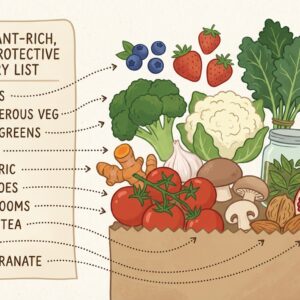
What most people fail to realize is how important their diet is in protecting themselves against the sun. I remember when I used to eat a Standard American Diet (SAD) and my skin would burn all the time. As soon as I switched to a high-raw, plant-based diet, I essentially stopped burning (except that one time I went to Costa Rica and failed to realize that the equator sun is much hotter and stronger than the sun in the Northern Hemisphere – that was an experience in itself – haha).
Consuming a wide variety of plant-based foods will mean you have a higher concentration of sun-protective antioxidants floating around in your body, and less toxins released through the skin (which you would normally release on a SAD diet). When you consume a SAD diet, all of those toxins that get drawn to your skin react with the sunlight and can result in premature aging and skin cancer.
I like to consider the whole-foods, raw, plant-based diet as a sort of “internal sunscreen.” The more antioxidants you consume, the longer you will be able to stay in the sun without burning.
Reasons To Avoid Sunscreen
So, to sum it up, here are 10 reasons you should avoid sunscreen (and blocks) like the plague!
1. Reduces Vitamin D Production
Sunscreens with an SPF of just 10, can reduce vitamin D production by up to 90%! Say goodbye to a healthy immune system, cancer protection and fantastic energy levels.
2. Disrupts Your Hormones
Most commercial sunscreens (over 56%) use an ingredient called oxybenzoneis, a major hormone disruptor that affects how estrogen and other hormones act in the body.
3. Can Cause Cell Damage and Cancer
Ingredients in sunscreen release free radicals in the sunlight that cause DNA changes and result in cancer. Even the FDA has found “very little evidence that sunscreen prevents most types of cancer.”
4. Creates A False Sense of Security
Just because you’re wearing sunscreen, doesn’t mean you should roam in the sun for hours on end. Wearing sunscreen gives people the idea that it is safe for them to be out in the sun the entire day, when in fact, this is not true. Learn to listen to your body, as we did back when sunscreen didn’t exist.
5. Ignore’s Body’s Cues For Shade
When wearing sunscreen, we think that we can carelessly be in the sun all day, and blindly ignore our body’s cues for shade. When it is extremely hot out, you don’t see animals sitting in the sun for extended periods of time – in fact, they will be lounging in the shade, until it cools down. We need to get back in tune with nature!
6. Most Sunscreens Fail To Protect Against The Harmful Rays
Most conventional sunscreens protect against UVB rays, but not UVA rays, which are far more harmful and cancer-causing.
7. Cause Allergic Reactions
A lot of sunscreen ingredients can cause allergic reactions, most of which we may not recognize until these ingredients react with the sun, on our skin.
8. There Are Many Natural Alternatives That Work
Some plant oils are incredibly effective at blocking harmful UV rays. I have successfully used coconut oil almost every summer. It contains strong antioxidant properties that help keep free radical formation at bay. Avoid sunscreens that contain the ingredients listed above, and if you do want an actual “sunscreen”, then choose one that uses plant extracts and zinc oxide as a reflective agent (safe to use on the skin).
9. Have No Real Safety Standards
FDA sunscreen rules allow almost every sunscreen product to be marketed as “broad spectrum” (a term that means good UVA protection). However, most sunscreens don’t even protect against UVA rays (compared to Europe), the most important UV rays that should be protected against.
10. Don’t Actually Protect Against Skin Cancer
If you think sunscreen is going to protect you against skin cancer, think again. Some researchers have found an increased risk of melanoma among sunscreen users, likely because a) they stay out in the sun longer and absorb more radiation overall; b) they are halting vitamin D production, one of the most important vitamins involved in cancer protection; and c) free radicals released as sunscreen chemicals break down in sunlight and increase risk of melanoma.





[…] If you want some protection, use some jojoba oil or coconut oil – they’re both natural sunscreens that contain an SPF of 10 or more (and don’t contain nasty chemicals that increase your risk of skin cancer). […]