

If you’re consuming a Standard American Diet, your body is likely in a constant state of acidity. But here’s the good news: you can naturally balance your pH levels with some of the best alkaline, plant-based foods Mother Nature offers!
Creating an alkaline environment in your body isn’t just a trend—it’s a transformative way to nurture your health from the inside out. When you focus on balancing your body’s pH with alkaline foods, you’re not just fueling your body. You’re giving it the love and care it deserves to heal, detoxify, and regenerate at the cellular level.
When you incorporate the right alkaline foods into your diet, you’re helping to neutralize the acidity from the processed foods and stressors in your life, allowing your body to function at its best.
Let’s look at some of the most powerful alkaline foods to support this process and help you feel your best.
What Are Alkaline Foods and Why Do They Matter?
Alkaline foods help maintain the body’s pH balance, promoting an environment that is slightly alkaline (ideally between 7.35 and 7.45 on the pH scale). When your body is too acidic, it can lead to a variety of health issues, including inflammation, fatigue, and even chronic diseases (1✓)✓ Trusted ResourcePubMed CentralHighly respected database from the National Institutes of HealthRead source.
The foods we eat play a significant role in balancing our body’s pH levels. While the standard Western diet is often acidic (think processed foods, sugars, and meats), incorporating more alkaline foods into your meals can counteract this imbalance and help your body function optimally.
The Benefits of Alkaline Foods
- Detoxification: Alkaline foods assist in flushing toxins from the liver, kidneys, and digestive system, helping the body rid itself of harmful substances (2✓)✓ Trusted ResourcePubMed CentralHighly respected database from the National Institutes of HealthRead source.
- Reduced Inflammation: Many alkaline foods possess anti-inflammatory properties that can help soothe chronic inflammation and pain, contributing to improved overall health (3✓)✓ Trusted ResourcePubMed CentralHighly respected database from the National Institutes of HealthRead source.
- Cellular Regeneration: An alkaline environment supports the regeneration of healthy cells, slowing down cellular aging and encouraging the repair of damaged tissues.
- Enhanced Digestion: Alkaline foods promote better digestion and absorption of nutrients, helping to nourish the body from the inside out (4).
Our bodies are designed to thrive in an alkaline environment — our blood has a pH of 7.365, which is slightly alkaline. Your body works tirelessly to maintain this balance. However, the Standard American Diet, which is rich in processed foods, soda, junk food, meat, eggs, and dairy, is highly acidic. This imbalance forces your body to leach minerals from your bones to buffer the acidity and maintain a neutral pH, leading to conditions like osteoporosis and other degenerative diseases over time (5✓)✓ Trusted ResourcePubMed CentralHighly respected database from the National Institutes of HealthRead source.
Chronic acidity is linked to numerous health issues, including heart disease, stroke, cancer, skin disorders, autoimmune conditions, and allergies. Even if you feel fine now, over time, your body will struggle to maintain its optimal pH balance, putting you at risk for serious illness. To help protect your health, it’s essential to incorporate more alkaline foods into your diet, especially raw fruits and vegetables, as cooking can increase acidity levels.
How Alkaline Foods Support Detox, Healing, and Cellular Regeneration
Alkaline foods are more than just a way to balance your body’s pH—they are a key part of the healing, detoxification, and cellular regeneration processes. By nourishing your body with these nutrient-rich foods, you give it the building blocks needed for optimal health and healing. Let’s dive into how exactly alkaline foods support detox, healing, and the regeneration of new cells.
1. Supporting Detoxification: Purging Toxins from the Body
One of the primary benefits of alkaline foods is their ability to assist in detoxifying the body. Over time, we accumulate toxins from our environment, food, and lifestyle choices. When your body becomes too acidic, it struggles to effectively flush these toxins out, which can lead to fatigue, bloating, and poor digestion.
Alkaline foods, particularly those high in fiber and water content, help promote healthy digestion and support the liver and kidneys in their detoxifying roles. Foods like cucumbers, leafy greens, and citrus fruits act as natural diuretics, helping to flush out toxins through urine. They also help to reduce the burden on the liver, the body’s main detoxifying organ, by providing essential nutrients that aid in detox processes and support the liver’s ability to break down and eliminate waste (6✓)✓ Trusted ResourcePubMed CentralHighly respected database from the National Institutes of HealthRead source.
When you incorporate these detoxifying alkaline foods, you create an environment in your body that allows it to naturally cleanse itself, improving energy levels and overall health.
2. Accelerating the Healing Process: Reducing Inflammation and Oxidative Stress
In our modern world, chronic inflammation and oxidative stress are at the root of many health issues. These conditions occur when the body’s inflammatory response is triggered too often, or when harmful free radicals overwhelm the body’s defenses. This imbalance can lead to chronic diseases like arthritis, autoimmune disorders, and heart disease.
Alkaline foods help reduce inflammation by providing the body with antioxidants, vitamins, and minerals that combat oxidative stress and support the immune system. Vegetables like kale and spinach are rich in powerful antioxidants like vitamin C, beta-carotene, and flavonoids, which help neutralize free radicals and reduce inflammation (7✓)✓ Trusted ResourcePubMed CentralHighly respected database from the National Institutes of HealthRead source. These foods are also high in magnesium and calcium, both of which play a role in relaxing muscles, supporting the nervous system, and calming inflammatory responses.
By reducing inflammation, alkaline foods not only help prevent disease but also speed up the healing process. Whether you’re recovering from an injury, illness, or chronic condition, these foods create a healing environment by minimizing inflammation and oxidative damage.
3. Regenerating New Cells: Fueling Growth and Repair
Your body is constantly regenerating new cells. This is a natural process that allows your tissues to heal, grow, and repair themselves. However, this process can be hindered if your body isn’t in an optimal state. When your body is acidic, it can impede cell regeneration and repair by increasing oxidative stress and inflammation, leading to slower healing and premature aging.
Alkaline foods support cellular regeneration by providing the essential vitamins, minerals, and antioxidants that your body needs to create new, healthy cells. For example, vitamin C, found in abundance in foods like lemon and red peppers, is essential for collagen production, which is necessary for healthy skin, tissues, and joints (8✓)✓ Trusted ResourcePubMed CentralHighly respected database from the National Institutes of HealthRead source. The high amounts of magnesium in alkaline foods like spinach and avocado play a role in cellular repair and DNA synthesis, which supports the body’s natural ability to regenerate and rebuild cells (9✓)✓ Trusted ResourcePubMed CentralHighly respected database from the National Institutes of HealthRead source.
Additionally, many alkaline foods are rich in chlorophyll, a compound found in green plants that helps improve oxygen delivery to cells, promoting their regeneration. Chlorophyll also enhances the liver’s ability to detoxify, ensuring that the environment within your body is optimal for cell growth and repair.
Top 8 Alkaline Foods to Heal the Body Naturally
Here are the top 8 alkaline foods that you should consider adding to your diet for detox, healing, and cellular regeneration. These foods are nutrient-dense, easy to incorporate into meals and provide a wide range of health benefits.
1. Lemon
Nutrients: High in vitamin C, antioxidants, and citric acid.
Benefits:
- Detoxifies the Liver: Lemons are known for their ability to support liver function, helping to cleanse the liver of toxins and waste products.
- Boosts Immunity: With their high vitamin C content, lemons strengthen the immune system, helping your body fight off infections and illnesses.
- Alkalizes the Body: While lemons are acidic in nature, they contain alkalizing minerals like potassium, magnesium, and sodium. These minerals have an alkalizing effect once digested, making them excellent for balancing the body’s pH levels.
- Promotes Skin Health: Vitamin C also aids in collagen production, promoting healthy skin and reducing signs of aging.
How to Incorporate:
- Start your day with warm lemon water.
- Add fresh lemon juice to salads or drizzle over roasted vegetables for a tangy flavor boost.
2. Kale
Nutrients: Packed with vitamins A, C, K, and minerals like calcium and magnesium.
Benefits:
- Supports Detoxification: Kale is high in fiber, which helps cleanse the digestive system and supports liver detoxification.
- Reduces Inflammation: With its rich supply of antioxidants, kale helps reduce inflammation, alleviating conditions like arthritis and joint pain.
- Promotes Cellular Health: Especially high in alkaline-forming vitamins and minerals like calcium and magnesium that support cell regeneration and helps maintain healthy tissue.
How to Incorporate:
- Add kale to your smoothies for a nutrient boost.
- Use kale in salads, soups, or as a base for grain bowls.
3. Cucumber
Nutrients: Rich in water, antioxidants, and vitamin K.
Benefits:
- Hydrates the Body: Cucumbers are made up of about 95% water, making them one of the best foods for keeping your body hydrated and supporting skin health.
- Flushes Toxins: Due to their high water content, cucumbers help flush out toxins from the kidneys and digestive system.
- Improves Digestion: The high fiber content of cucumbers supports healthy digestion and regular bowel movements.
How to Incorporate:
- Add cucumber slices to water for a refreshing, hydrating drink.
- Toss cucumber into salads or enjoy it as a crunchy snack with hummus.
4. Broccoli
Nutrients: High in fiber, vitamins C, K, and A, along with sulforaphane.
Benefits:
- Supports Detoxification: Broccoli contains compounds like sulforaphane, which promote liver detoxification and help neutralize free radicals in the body.
- Boosts Immunity: The high levels of vitamin C in broccoli help enhance immune function, while the antioxidants protect against oxidative stress.
- Promotes Healthy Cells: Broccoli’s rich nutrient profile aids in the regeneration of healthy cells and tissues.
How to Incorporate:
- Steam or lightly sauté broccoli for a nutritious side dish.
- Add it to stir-fries, soups, or grain bowls for extra fiber and vitamins.
5. Celery
Nutrients: Rich in vitamin K, folate, potassium, and fiber.
Benefits:
- Natural Diuretic: Celery has a mild diuretic effect, which helps your body eliminate excess fluid and waste products.
- Aids Digestion: The fiber in celery supports healthy digestion and can help prevent constipation.
- Reduces Inflammation: Celery contains antioxidants that help reduce inflammation and lower the risk of chronic diseases.
How to Incorporate:
- Snack on celery sticks with your favorite nut butter.
- Add celery to salads, soups, or juice it for a refreshing drink.
6. Avocado
Nutrients: Packed with healthy fats, vitamins E, K, and C, and folate.
Benefits:
- Supports Cellular Repair: The healthy fats in avocado help maintain healthy cell membranes and support tissue regeneration.
- Reduces Oxidative Stress: Avocados are rich in antioxidants, which protect cells from oxidative damage and aging.
- Boosts Heart Health: The monounsaturated fats in avocado help maintain healthy cholesterol levels and support heart health.
How to Incorporate:
- Mash avocado onto whole-grain toast for a nutritious breakfast.
- Add diced avocado to salads, tacos, or use as a base for creamy smoothies.
7. Red Pepper
Nutrients: High in vitamin C, beta-carotene, and antioxidants.
Benefits:
- Alkalizes the Body: Red peppers help alkalize the body and reduce inflammation.
- Supports Skin Regeneration: The high vitamin C content in red peppers boosts collagen production, promoting healthy skin and reducing wrinkles.
- Boosts Immunity: With their impressive antioxidant profile, red peppers enhance the immune system, helping the body fight off infections.
How to Incorporate:
- Add red pepper slices to salads, wraps, or grain bowls for a burst of color and flavor.
- Roast or grill red peppers for a smoky addition to soups and stews.
8. Spinach
Nutrients: Rich in iron, magnesium, folate, and vitamins A, C, and K.
Benefits:
- Supports Liver Detox: Spinach helps cleanse the liver by stimulating bile production, which is essential for detoxification.
- Reduces Inflammation: The anti-inflammatory properties of spinach help manage chronic conditions like arthritis.
- Promotes Healthy Cell Regeneration: With its abundance of vitamins and minerals, spinach supports cell health and promotes the growth of new, healthy cells.
How to Incorporate:
- Add spinach to your smoothies for a nutrient-packed boost.
- Use spinach in salads, omelets, or as a base for grain bowls.
Practical Tips for Incorporating These Alkaline Foods Daily
Adding these alkaline foods to your diet can be simple and delicious. Here are a few practical tips:
- Start Your Day with Lemon Water: Begin your morning by drinking warm lemon water to alkalize your body and kick-start your digestion.
- Mix Greens into Smoothies: Add kale, spinach, or avocado to your smoothies for an easy and nutritious breakfast.
- Snack on Raw Vegetables: Keep sliced cucumber, celery, and red pepper on hand for a crunchy, hydrating snack.
- Create Alkaline Salad Bowls: Combine kale, spinach, avocado, and red pepper for a vibrant, nutrient-packed salad.
- Experiment with Juices: Make fresh vegetable juices using ingredients like cucumber, celery, and lemon to support detoxification.
By adding these alkaline foods into your daily routine, you’re making a simple yet powerful shift toward better health. Start small—try adding one or two of these foods to your meals each day and gradually increase as you begin to notice the positive changes.
After adding alkaline foods to your diet, you may start to notice immediate benefits within just a few days, such as increased energy, improved digestion, and glowing skin. Over time, as you continue incorporating these nutrient-rich foods into your routine, you can expect even more profound results, including better immune function, reduced inflammation, enhanced detoxification, and overall improved cell health.
The Bottom Line
Incorporating these 8 alkaline foods into your diet can provide a natural and effective way to detox, heal, and regenerate your body. Whether you’re looking to boost your energy, improve your digestion, or promote the regeneration of new cells, these foods offer powerful benefits that can transform your health.
Start small by adding a few of these alkaline foods to your daily meals and observe the positive changes in your body. By alkalizing your diet, you’re giving your body the support to heal, detox, and regenerate, leading to a more vibrant and healthier you.






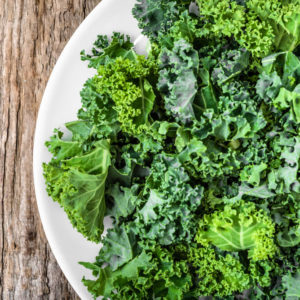


[…] cancer. Kale is also effective in lowering cholesterol level and is a good detox ingredient. Its chlorophyll component contributes to its alkaline properties with a PRAL score of -8.3. Just like spinach and beet greens, […]