

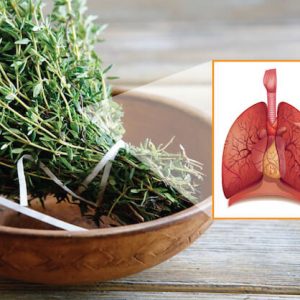
If you’ve ever driven past tall, fuzzy plants with yellow flower spikes along the highway, you’ve likely spotted mullein: one of nature’s best-kept secrets for respiratory health.
Often dismissed as a weed, mullein has been cherished by Indigenous communities and herbalists for centuries. Its soft, velvety leaves and sunny flowers aren’t just pretty. They’ve been used traditionally to soothe coughs, open the lungs, and ease breathing troubles like bronchitis and asthma.
Let’s dive into why this humble plant deserves a spot in your natural medicine cabinet.
What Is Mullein?
Mullein (botanical name: Verbascum thapsus) is a biennial herbaceous plant that’s easy to spot once you know what to look for. In its first year, mullein grows in a low rosette of soft, fuzzy silver-green leaves that feel almost like velvet. By its second year, it shoots up an impressive flowering stalk that can reach 2 meters (over 6 feet) tall, topped with clusters of small, bright yellow flowers.
You’ll often find mullein growing along highways, in fields, on disturbed soils, and in sunny meadows, thriving where other plants struggle. It’s considered a pioneer plant, helping to restore damaged soil and prepare the ground for future plant life. But beyond its ecological role, mullein has a rich history as a medicinal powerhouse.
Where Does Mullein Grow?
Mullein is native to Europe, North Africa, and Asia but has naturalized across North America and many other parts of the world. It thrives in dry, sandy soils and full sunlight, making it a common sight in rural and suburban landscapes alike.
Why Is It Called a “Weed”?
Like many powerful medicinal plants (think dandelion and plantain), mullein has been unfairly labeled a weed simply because it grows abundantly and without cultivation. But to herbalists and those in the know, mullein is far from a nuisance — it’s a healing ally hiding in plain sight.
A Rich History: Traditional Uses of Mullein
Long before mullein found its way into modern herbal supplements and tea blends, it was a trusted remedy in ancient healing traditions.
Indigenous Uses in North America
Many Native American tribes recognized mullein’s ability to soothe the lungs and ease breathing difficulties. The Cherokee and Navajo, for example, brewed mullein leaves into teas to treat coughs, chest colds, and asthma. Some tribes even smoked dried mullein leaves to help clear lung congestion, a practice that may seem counterintuitive but was believed to open up constricted airways and expel trapped mucus.
European Folk Medicine
In Europe, mullein was equally prized. The ancient Romans used mullein stalks dipped in tallow as torches, which is where the nickname “torch plant” comes from. More importantly, European herbalists prescribed mullein for a variety of ailments:
- Coughs and bronchitis
- Tuberculosis (known historically as “consumption”)
- Ear infections (using mullein flower oil)
- Hemorrhoids and skin inflammations (as a soothing poultice)
A Plant of Many Nicknames
Throughout history, mullein has picked up colorful names that hint at its uses:
- “Lungwort” (for its lung-healing abilities)
- “Torch plant” (for its use as a light source)
- “Beggar’s blanket” (because of its soft leaves)
- “Velvet dock” (referencing its texture)
From Europe to North America, mullein’s reputation as a go-to remedy for respiratory troubles has endured, even as modern medicine shifted toward pharmaceuticals. Today, herbalists continue to turn to this plant as one of the best herbs for lung health.
Proven Mullein Benefits for Lungs and Beyond
Mullein isn’t just folk medicine. It’s backed by real science and centuries of use. Here’s a closer look at why herbalists around the world turn to mullein as one of the best plants for lung health and more.
1. Clears Mucus and Congestion
At its core, mullein is an expectorant, meaning it helps your body loosen and expel mucus that’s clogging your lungs and sinuses. Its natural compounds, like saponins, thin mucus and make coughs more productive, so you’re actually clearing out the gunk instead of just suppressing the urge to cough.
If you struggle with a persistent, phlegmy cough that seems stuck, mullein tea or tincture can help get things moving. Over time, this not only eases symptoms but helps prevent infections from lingering in your lungs.
2. Soothes Inflammation and Irritation
Mullein doesn’t just clear mucus — it also calms irritated tissues. Its leaves and flowers release mucilage, a soothing, gel-like substance that coats the throat, lungs, and bronchial passages.
This makes mullein a powerful ally if you’re dealing with:
- A dry, scratchy cough
- Hoarseness
- Throat soreness
- Lungs that feel tight or inflamed
By hydrating and calming these tissues, mullein offers real relief while supporting healing from within.
3. Helps with Bronchitis and Asthma
People with chronic bronchitis or asthma often face a cycle of inflammation, mucus buildup, and restricted airflow. Mullein helps break this cycle.
- Its expectorant action clears out thick mucus
- Its anti-inflammatory compounds reduce swelling in airways
- And its soothing mucilage eases that raw, irritated feeling in the chest
Some herbalists even call mullein “nature’s steroid” because it calms inflammation without the harsh side effects of medications like prednisone.
While mullein is not a replacement for prescribed asthma medication, many natural health practitioners recommend it as a complementary support to help reduce flare-ups and improve lung function over time.
4. Supports Smokers’ Lungs Recovery
If you’re a former smoker — or even currently trying to quit — your lungs need extra support to clear out tar and heal irritated tissues. Mullein is often recommended as a lung detox herb for this purpose.
By stimulating mucus clearance and calming inflammation, mullein can help speed up the repair process and ease the coughing fits that often come during the early stages of quitting smoking.
Many people who’ve switched from tobacco to herbal smoking blends use mullein as a base herb because it’s gentle, soothing, and helps clear lingering congestion.
5. May Help Fight Respiratory Infections
Beyond clearing mucus and soothing irritation, mullein also offers mild antimicrobial effects. Some studies have shown that mullein extracts can inhibit certain bacteria and viruses that target the respiratory tract.
- This includes common cold viruses
- As well as bacteria that can cause bronchitis and sinus infections
By preventing these pathogens from taking hold, mullein not only treats symptoms but can help keep future infections at bay.
Mullein vs. Cough Medicine: Why Herbs Work Better
It’s easy to reach for over-the-counter cough syrups when you’re feeling miserable, but here’s the truth: most commercial cough remedies do little to actually heal your lungs or clear out infections.
The Problem with Cough Medicine
Common cough suppressants, like dextromethorphan, work by blocking the cough reflex. This can give temporary relief but actually traps mucus and pathogens inside your lungs, prolonging sickness.
What’s more, cough medicines often come with side effects like:
- Drowsiness and dizziness
- Nausea or stomach upset
- Allergic reactions (rash, itching, swelling)
- Heart palpitations in sensitive individuals
For many people, especially those looking for more natural healing, these side effects just aren’t worth it. Especially when the root cause remains unaddressed.
Why Mullein Gets to the Root Cause
Mullein works differently. Instead of silencing your body’s signals, it helps:
- Loosen and expel mucus (so you’re clearing out the problem)
- Calm inflammation (so tissues can actually heal)
- Soothe irritation (so symptoms naturally subside)
In other words, mullein encourages your body’s own healing mechanisms rather than overriding them. It supports your lungs’ natural ability to detox, repair, and restore balance, which is why it’s been trusted for hundreds of years.
For those dealing with chronic lung issues, frequent colds, or even post-viral coughs that linger for weeks, mullein offers a gentler, more effective path to real recovery.
Scientific Research: What Studies Say About Mullein
While much of mullein’s fame comes from traditional use, modern science has started to catch up, validating many of its age-old benefits.
1. Antimicrobial and Antiviral Activity
A 2002 study published in the journal Pharmaceutical Biology found that extracts of mullein had antiviral effects against influenza and herpes viruses, suggesting its potential to help with respiratory infections.
Other studies have shown mullein’s antibacterial action against strains like Staphylococcus aureus — one of the culprits behind respiratory and skin infections.
2. Anti-Inflammatory Effects
Research in BMC Complementary and Alternative Medicine noted that mullein contains flavonoids and phenylethanoid glycosides, which have strong anti-inflammatory and antioxidant properties. These compounds help reduce oxidative stress and calm inflamed tissues — exactly what irritated lungs need during illness.
3. Expectorant Properties
Traditional herbalists have long praised mullein as an expectorant, and lab studies confirm that its saponins help thin and mobilize mucus, making it easier to expel from the lungs and airways.
How to Use Mullein for Lung Health (Tea, Tincture, Steam & More)
The beauty of mullein is that it’s incredibly versatile. Depending on your needs and preferences, you can prepare and use this lung-healing herb in several effective ways.
1. Mullein Tea (Most Popular)
Mullein tea is by far the most popular and accessible way to benefit from this plant’s lung-supporting powers. When steeped in hot water, the leaves and flowers release their medicinal compounds, including soothing mucilage and expectorant saponins.
Best for: Daily lung support, easing coughs, preventing infections, and soothing sore throats.
Drink 1-3 cups per day during active symptoms or as a preventative measure during cold and flu season.
(See the 3-ingredient recipe explained below!)
2. Mullein Tincture
For a more concentrated dose, tinctures made from mullein leaf and flower extracts can offer fast relief. Tinctures are alcohol-based solutions that are shelf-stable and easy to take on the go.
Best for: Quick relief from acute symptoms, supporting lungs in asthma, or bronchitis flare-ups.
Take according to the product label or as advised by a herbal practitioner (usually 30-60 drops in water, 2-3 times daily).
3. Mullein Steam Inhalation
Inhaling mullein steam can directly deliver its soothing and anti-inflammatory properties to your lungs and sinuses. Simply add dried mullein leaves to a bowl of hot water, drape a towel over your head, and breathe deeply.
Best for:
- Clearing nasal and sinus congestion
- Soothing raw, inflamed bronchial tubes
- Post-viral lung healing
Do this once or twice daily when symptoms are active.
4. Mullein Leaf Smoking (Lung Detox)
While it might sound counterintuitive, many herbalists recommend smoking dried mullein leaf (often blended with other herbs) as a way to detoxify the lungs, especially for former smokers.
Best for: Loosening deeply embedded mucus and supporting lung tissue repair in smokers.
Note: This is a specialized method and should be done sparingly and carefully. If in doubt, stick to tea and tincture forms.
3-Ingredient Mullein Tea Recipe (Lung-Soothing & Healing)

Ready to make your own lung-supporting tea at home? Here’s an optimized version of your original recipe, expanded with extra tips for best results.
Ingredients:
- 1.5 cups filtered water
- 2 teaspoons dried mullein leaves and/or flowers (organic and pesticide-free)
- 1 teaspoon dried spearmint (optional, for flavor and added lung support)
- 1 teaspoon raw honey (optional, for soothing sore throats and boosting antimicrobial action)
Method:
- Boil the water in a small pot or kettle.
- Place the mullein leaves (and spearmint, if using) in a tea ball, fine mesh strainer, or directly in your cup.
- Pour hot water over the herbs and cover the cup or teapot to trap beneficial oils.
- Steep for 15-20 minutes — longer steeping helps extract more mucilage and active compounds.
- If you added the herbs loose, strain the tea carefully using a fine mesh strainer or cheesecloth. (This step is crucial — mullein leaves have tiny hairs that can irritate the throat if not strained properly.)
- Add honey to taste and enjoy while warm.
Pro Tip:
For a deeper lung-clearing effect, drink this tea 2-3 times daily during acute symptoms and once daily as preventative care during the cold and flu season.
How to Harvest Mullein Safely (If You Want to Forage It Yourself)
One of the wonderful things about mullein is that it grows abundantly in the wild — along roadsides, meadows, and open fields. But if you plan to harvest it yourself, there are a few important guidelines to follow.
Where to Find It:
- Look for mullein’s tall, yellow flower spikes (up to 2 meters high) and large, fuzzy leaves.
- It’s commonly found along highways, open fields, and disturbed soils.
- Avoid harvesting plants growing directly along busy roads or polluted areas, as they can absorb toxins from the soil and air.
How to Harvest:
- Leaves are best harvested in the plant’s first year, when they form a rosette close to the ground. These are the most medicinally potent for lung healing.
- Flowers can be collected during the summer when the plant blooms. These are gentle and supportive, especially in teas.
- Use clean scissors or pruning shears to snip leaves and flowers, and always leave enough of the plant intact to continue thriving.
How to Dry and Store:
- Spread the leaves and flowers in a single layer on a clean, dry surface away from direct sunlight.
- Once fully dry (crispy to the touch), store them in an airtight jar in a cool, dark place.
- Properly stored, dried mullein retains its potency for up to a year.
Is Mullein Safe? Side Effects & Precautions
While mullein is considered safe for most people, there are a few important considerations to keep in mind.
Possible Side Effects:
- Mullein leaf hairs can be irritating if not strained properly from tea — always use a fine mesh strainer.
- Some individuals may experience mild skin irritation when handling fresh leaves (wear gloves if sensitive).
- Rarely, mullein can cause allergic reactions in those sensitive to plants in the figwort family.
Who Should Avoid Mullein?
- Pregnant and breastfeeding women should consult their healthcare provider before using mullein.
- If you’re taking prescription medications (especially diuretics or steroids), check with a professional herbalist or your doctor to rule out interactions.
General Advice:
- Start with small doses and monitor how your body responds.
- Always purchase organic, pesticide-free mullein from reputable sources if you’re not harvesting it yourself.
Frequently Asked Questions About Mullein
Can I drink mullein tea every day?
Yes — mullein tea is generally safe for daily use, especially during times when you’re supporting lung health or recovering from illness. Many herbalists recommend taking breaks every few weeks if you’re using it long-term.
How long does it take for mullein to work?
Most people feel relief from cough and lung symptoms within a few days of regular mullein use. For chronic conditions, consistent use over several weeks yields the best results.
Can I use mullein for my child’s cough?
Mullein tea is often used for children (in appropriate, smaller doses) to ease coughs and congestion. However, always consult a pediatrician or qualified herbalist before using herbal remedies in children.
Does mullein help with COVID-related lung issues?
While mullein can help soothe lung inflammation and support recovery from respiratory infections, it should not replace medical care for serious conditions like COVID-19. Many natural health practitioners recommend it as a complementary therapy during post-viral recovery.
The Bottom Line
At the end of the day, mullein reminds us of something powerful: nature has already given us some of the best medicine, often disguised as “weeds” growing quietly by the roadside.
If you’ve been struggling with lingering coughs, stubborn mucus, chest tightness, or simply want to show your lungs a little love after years of hard work, mullein is a gentle yet mighty ally. Its long-standing use by Indigenous peoples, herbalists, and natural healers speaks volumes about its effectiveness.
Unlike over-the-counter cough syrups that only mask symptoms (and often come with side effects), mullein gets to the root, helping your body clear, soothe, and rebuild from the inside out.
So, why not start today? Brew yourself a warm, comforting cup of mullein tea, breathe in its soothing steam, or keep a tincture on hand for whenever your lungs call out for support. Whether you forage it yourself or source high-quality dried leaves, this plant offers a beautiful invitation to return to natural healing traditions.
And remember, every time you choose a natural remedy like mullein, you’re not only supporting your own health but also reconnecting with the wisdom of the earth.






How can “Indigenous Natives” have used common million for centuries when it was brought over to North America by our European ancestors?
Hi Tiff – Common mullein was first introduced into the U.S. in the mid-1700s, and Indigenous people have used it medicinally ever since.
*mullein, ugh…silly auto correct!
Is it ok to drink if I steep the mullein and spearmint together?
Yes, that will be fine 🙂
I don’t know what to look fir as far as the plant goes. Can it be purchased in a store.
Hello,
Likely can’t be purchased in any regular store. A health food store may have it or search for dried mullein leaf online.
Best,
Carly