

Once dismissed as a stubborn backyard weed, dandelion root is quickly gaining a reputation as one of nature’s most underrated healing plants. Long valued in herbal medicine for its ability to support digestion, detoxification, and liver health, it’s now drawing fresh attention for something even more compelling: its potential to influence how the body handles abnormal cell growth. Early research suggests dandelion root may help target harmful cells while sparing healthy ones, a rare trait even among pharmaceutical treatments.
So what exactly is dandelion root, and why is it suddenly on everyone’s radar?
What Is Dandelion Root and Why Is It Gaining Attention?
Dandelions have long been dismissed as a backyard nuisance, a stubborn weed invading lawns and gardens. But in the world of herbal medicine, it’s a time-tested remedy with a surprisingly impressive résumé. For centuries, dandelion root has been used in traditional healing systems like Traditional Chinese Medicine (TCM) and Ayurveda to support digestion, detoxification, liver function, and inflammation.
Its bitter compounds help stimulate bile flow, making it a popular natural aid for liver and gallbladder health. It’s also rich in antioxidants like luteolin and polyphenols, which play a role in protecting cells from oxidative stress (1✓)✓ Trusted ResourcePubMed CentralHighly respected database from the National Institutes of HealthRead source, a known driver of chronic disease, including cancer.
But what’s pushed dandelion root from folk remedy to potential cancer-fighting candidate is a growing body of lab-based research. Over the past decade, scientists have begun studying its effects on various cancer cells, and the early results have been unexpectedly promising. The 2012 study from the University of Windsor in Ontario, Canada, was a turning point. It showed that dandelion root extract triggered cell death in pancreatic cancer cells without harming healthy ones, sparking new interest in a plant once written off as useless (2✓)✓ Trusted ResourcePubMed CentralHighly respected database from the National Institutes of HealthRead source.
Now, researchers are asking: Could this overlooked root actually support cancer prevention, or even treatment, when used strategically and safely?
The Lab Study: 95% Cell Death in 48 Hours
One of the most promising studies on dandelion root’s anti-cancer potential was published in Oncotarget in 2016 by researchers at the University of Windsor. This peer-reviewed study tested a standardized dandelion root extract (DRE) on several human cancer cell lines, including chronic myelomonocytic leukemia (CMML), colon cancer, and pancreatic cancer (3✓)✓ Trusted ResourcePubMed CentralHighly respected database from the National Institutes of HealthRead source.
The researchers found that DRE consistently and selectively induced apoptosis (programmed cell death) in cancer cells, while sparing healthy, noncancerous cells. In some leukemia cell lines, DRE triggered cell death in as little as 24 hours. Even more compelling, when tested in a mouse model of leukemia, oral administration of the extract significantly reduced tumor burden, with no observable toxicity to the animals.
What sets this study apart is its dual in vitro and in vivo design. Unlike many early-stage cancer studies confined to petri dishes, this research extended its scope to living organisms. The results suggest that dandelion root extract isn’t just promising in theory; it may have real-world therapeutic potential.
Lead researcher Dr. Siyaram Pandey emphasized the importance of DRE’s selective mechanism: “It effectively targets cancer cells and does not harm healthy cells, which is the holy grail of cancer therapy.” That level of precision is rarely seen in conventional chemotherapy, which often causes collateral damage to healthy tissue.
Of course, these results, while impressive, are still preliminary. The extract used was a carefully prepared, standardized version, not a casual tea or tincture. And though animal models offer critical insight, they’re not a substitute for human trials. That said, this study paved the way for further research, including ongoing clinical trials in Canada investigating DRE’s use in blood-related cancers like leukemia and lymphoma.
How Dandelion Root Might Fight Cancer: Mechanisms of Action
So how exactly does dandelion root cause cancer cells to self-destruct, at least in a lab dish?
Researchers believe the answer lies in its complex mix of bioactive compounds, including taraxasterol, luteolin, chlorogenic acid, and various triterpenes and polysaccharides. These plant-based molecules appear to work synergistically to trigger a range of cellular responses that may inhibit cancer growth and promote cell death (4).
1. Inducing Apoptosis (Cell Suicide)
The most striking finding from the University of Windsor study was dandelion root’s ability to induce apoptosis, the body’s built-in system for safely dismantling damaged or abnormal cells. Many types of cancer cells are skilled at evading this process. Dandelion root extract seemed to reactivate it, helping colon cancer cells recognize they were abnormal and initiate their own demise.
2. Targeting Mitochondrial Function
Further research suggests that the extract disrupts mitochondrial membranes in cancer cells (5✓)✓ Trusted ResourcePubMed CentralHighly respected database from the National Institutes of HealthRead source. Since mitochondria are the energy centers of the cell, interfering with their function starves cancer cells of the fuel they need to survive and replicate.
3. Reducing Inflammation and Oxidative Stress
Chronic inflammation and oxidative stress are well-documented contributors to cancer development. Dandelion root has demonstrated anti-inflammatory effects in several studies and is rich in antioxidants that help neutralize free radicals, potentially protecting DNA and slowing down tumor progression (6✓)✓ Trusted ResourcePubMed CentralHighly respected database from the National Institutes of HealthRead source.
4. Inhibiting Cancer Cell Proliferation
Some studies have shown that dandelion root can slow the spread and division of cancer cells by interfering with key signaling pathways, particularly in leukemia, pancreatic, and prostate cancer models. These antiproliferative effects suggest it might play a role not just in killing cells, but in preventing their rapid reproduction.
While the research is still in early stages, this multi-pronged action, targeting cell death, inflammation, energy metabolism, and cellular signaling, gives dandelion root a kind of “systems-level” potential that sets it apart from many single-compound therapies. Of course, more human studies are needed before we know how well these mechanisms translate in real-world contexts.
What Other Research Says: Beyond Colon Cancer
While the University of Windsor study on colon cancer brought dandelion root into the spotlight, it’s far from the only research suggesting anti-cancer potential. Since then, scientists have explored its effects on a wide range of cancers, and while most of these studies are still preclinical (in vitro or in animals), the patterns are hard to ignore.
Leukemia and Lymphoma
Dandelion root extract has shown significant pro-apoptotic effects in both chronic myelomonocytic leukemia (CMML) and other blood cancer models. The extract activated caspase pathways and induced mitochondrial destabilization, leading to programmed cell death, without affecting non-cancerous peripheral blood mononuclear cells (PBMCs) (7✓)✓ Trusted ResourcePubMed CentralHighly respected database from the National Institutes of HealthRead source. This selectivity helped lay the groundwork for a small Phase I clinical trial in Canada.
Pancreatic Cancer
In a 2017 study published in Oncotarget, researchers from the University of Windsor demonstrated that DRE had cytotoxic effects on human pancreatic cancer cells (PANC-1, MiaPaCa-2, and AsPC-1), while leaving non-cancerous epithelial cells unharmed. The extract triggered autophagy and apoptosis, disrupted mitochondrial function, and halted proliferation in a dose-dependent manner. Importantly, it also showed tumor-suppressing effects in mouse xenograft models—offering early in vivo support for its potential therapeutic role (8).
Breast and Prostate Cancer
While less studied, in vitro data suggest that dandelion root may also impact hormone-sensitive cancers. One study found that extracts reduced the viability of MCF-7 breast cancer cells and LNCaP prostate cancer cells (9✓)✓ Trusted ResourcePubMed CentralHighly respected database from the National Institutes of HealthRead source, though the mechanisms remain less well-characterized than in blood or pancreatic cancers. These early findings raise the possibility that DRE could disrupt hormone-driven growth signaling, but more targeted studies are needed.
Melanoma and Liver Cancer
There’s limited but intriguing preclinical evidence that dandelion root may impair the growth of melanoma and hepatocellular carcinoma cells. In one study, DRE led to cell cycle arrest and induced apoptosis in A375 human melanoma cells (10✓)✓ Trusted ResourcePubMed CentralHighly respected database from the National Institutes of HealthRead source. However, these effects have not yet been validated in animal models or clinical settings.
So What’s the Catch?
While these findings are exciting, it’s important to keep two things in mind:
- Most studies are still lab-based. Until human trials are completed and replicated, we can’t confirm how dandelion root behaves inside the human body. The digestive process, liver metabolism, dosage, and absorption all affect bioavailability, meaning a strong effect in a petri dish doesn’t always translate into an effective supplement.
- Standardization is still an issue. The potency and composition of dandelion root extracts vary widely depending on how they’re processed, the plant’s growing conditions, and which part of the root is used. This lack of consistency makes it hard to compare results across studies or recommend specific products with confidence.
Still, the breadth of preliminary evidence, across different cancer types and using various extraction methods, gives dandelion root a strong case for further study. It’s not a cure, but it’s not just folklore, either.
What Experts Say: Hopeful, But Not a Cure
It’s easy to get swept up in the numbers: 95% cancer cell death in just two days makes for a viral headline. But experts in both integrative oncology and herbal medicine urge caution, not cynicism.
Dr. Siyaram Pandey, lead researcher of the 2016 colon cancer study, has repeatedly emphasized that dandelion root extract is “not a miracle cure.” Instead, he sees it as a promising therapeutic candidate that deserves further clinical investigation, especially given its low toxicity and apparent selectivity for cancer cells over healthy ones.
Integrative oncologists tend to agree. Many note that while dandelion root is unlikely to replace chemotherapy or radiation, it could one day be used as a complementary therapy, particularly for those seeking gentler, plant-based support alongside conventional care.
Herbalists and natural health practitioners often recommend dandelion root for detoxification and immune support. Some see its emerging anti-cancer properties as validation of what traditional systems have known for centuries: that the plant offers benefits beyond what Western science has historically credited.
Still, most experts draw a firm line: dandelion root should not be used as a sole treatment for cancer. It may support the body’s natural defenses or enhance resilience, but it’s no substitute for medically necessary care.
How to Use Dandelion Root Safely
If you’re curious about trying dandelion root after learning about its potential benefits, you’re not alone. Many health-conscious individuals are turning to it as part of a broader cancer-prevention lifestyle. But before adding it to your routine, it’s important to know how to use it safely and effectively.
1. Forms of Dandelion Root
Dandelion root is available in several forms, each with its own advantages:
- Tea (dried root infusion): A gentle, widely available option. Typically consumed 1–3 times daily.
- Tincture (glycerin or alcohol extract): More concentrated than tea, often used in herbal protocols. Doses vary by brand, but 1–2 droppers diluted in water is common.
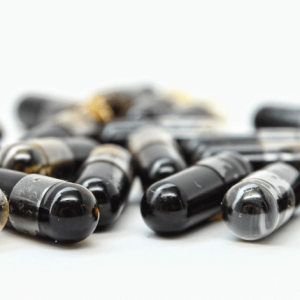
- Capsules or tablets: Convenient and easy to standardize. Look for full-spectrum, organic extracts with third-party testing.
- Powdered root: Can be added to smoothies, soups, or mixed with water, though the taste can be earthy and bitter.
2. Suggested Dosages for General Use
There’s no universally agreed-upon “cancer prevention” dose, and clinical guidelines are still lacking. However, traditional use and general wellness protocols often suggest:
- Tea: 1–2 teaspoons of dried root per cup of boiling water, steeped 10–15 minutes.
- Tincture: 2–5 mL up to three times daily.
- Capsules: Typically 500–1,000 mg daily, depending on formulation.
Always start with the lowest effective dose and assess tolerance.
3. When to Be Cautious or Avoid It
While dandelion root is generally well-tolerated, it’s not risk-free:
- Drug Interactions: It may interfere with diuretics, blood thinners, lithium, or medications that affect potassium levels.
- Allergies: Those allergic to ragweed or related plants may react to dandelion.
- Gallbladder or bile duct issues: Its bile-stimulating properties could aggravate these conditions.
- Pregnancy/Breastfeeding: Safety data is limited. Best to consult a healthcare provider.
4. Quality Matters
Choose organic, third-party tested products from reputable companies. Since supplements aren’t tightly regulated, low-quality dandelion products may contain fillers, pesticides, or inconsistent levels of active compounds.
Look for:
- Clear labeling of extraction method and potency
- Full-spectrum or standardized formulas
- Brands with transparent sourcing and testing practices
A Note on Expectations
Dandelion root is not a fast fix, nor should it be used as a stand-alone defense against cancer. Think of it as part of a whole-body strategy that includes:
- An anti-inflammatory, plant-forward diet
- Regular movement and stress reduction
- Avoiding known carcinogens (smoking, processed meat, etc.)
- Annual screenings and functional blood work
Final Thoughts: Can a Common Weed Really Help Fight Cancer?
Dandelion root may not look like much, just another weed poking through sidewalk cracks, but its chemical complexity and potential to selectively target cancer cells have earned it a surprising place in the spotlight.
The 2012 University of Windsor study that found it could kill 95% of colon cancer cells in vitro was no fluke. It sparked a wave of research into dandelion root’s impact on other cancers, and though most of the findings are still preliminary, they paint a picture worth watching: a humble herb with multi-pathway action, low toxicity, and untapped therapeutic potential.
That said, there’s a big difference between test tube results and real-life outcomes. We still need high-quality clinical trials to understand how, and if, dandelion root works inside the human body, especially when taken as a supplement. No one should ditch proven treatments in favor of herbal hype. But for those focused on prevention and building long-term resilience, dandelion root may deserve a spot in your toolkit.
As always, the best approach is holistic: prioritize whole foods, manage stress, avoid toxins, and make intentional choices about the herbs and supplements you include. Dandelion root isn’t a silver bullet, but it might be a quiet ally worth taking seriously.
Key Takeaways:
- Dandelion root shows promising anti-cancer activity in lab studies, particularly in colon, blood, and pancreatic cancers.
- Its mechanisms include inducing apoptosis, disrupting mitochondria, and reducing inflammation.
- Most studies are still preclinical, meaning human research is needed before drawing definitive conclusions.
- Safe use is possible through tea, tinctures, or capsules, but quality, dosage, and individual health conditions matter.
- Best used as part of a cancer-prevention lifestyle, not as a stand-alone treatment.





Leave a Reply