

Peanut butter. Just the thought of it probably brings back memories of childhood—sticky fingers, lunchtime sandwiches, and that comforting, nutty aroma that filled the kitchen. For so many of us, peanut butter was a staple, a jar of pure joy that we could spread on toast, add to snacks, or even sneak a spoonful when no one was looking.
But as adults, we’ve questioned many of our favorite foods. Is peanut butter as healthy as we once thought? This question is valid, especially since many brands are full of sugar and oils that can mask peanut butter’s natural goodness.
To get a better picture, let’s start with the basics: the peanut itself. Understanding what peanuts are, where they come from, and why they pack such a nutritional punch will give us better insight into how peanut butter can be a powerful—and yes, healthy—part of our diet. So, what exactly are peanuts? Let’s dive in.
What Are Peanuts?
Technically, peanuts aren’t nuts—they’re legumes. This actually makes them closer to peas, beans, lentils, and soy in their biological makeup than any tree nut. They’re sometimes called “groundnuts” which separates them from tree nuts.
Peanuts originated in South America and have been cultivated for thousands of years for their rich flavor and impressive nutrition profile. Unlike tree nuts like almonds or walnuts, which grow on trees, peanuts grow underground, a key factor in their nutrient profile and allergen potential (1✓)✓ Trusted ResourcePubMed CentralHighly respected database from the National Institutes of HealthRead source.
What’s truly remarkable about peanuts is their resilience. They’re a sustainable crop, needing less water than most nuts and thriving in various climates. This makes them a more eco-friendly choice than other, water-intensive nuts. They also contain a nutrient powerhouse hidden in their tiny shells: a mix of protein, healthy fats, fiber, and essential vitamins and minerals that contribute to everything from heart health to energy support.
Nutrient Content of Peanut Butter
The nutrient content of peanut butter can vary depending on how it’s made. Still, at its core—without added sugars or hydrogenated oils—peanut butter is a powerhouse of nutrients that can support our health in more ways than one.
- Protein for Sustained Energy and Strength: One thing to love about peanut butter is its protein content. Just two tablespoons provide about 8 grams of protein. Protein is the building block for muscle repair and growth, but it’s also responsible for keeping you full and energized throughout the day.
- Healthy Fats for Heart and Brain Health: In natural peanut butter, most of the fat is monounsaturated and polyunsaturated, the “good” fats that support heart health. These fats can help reduce LDL cholesterol (the bad kind) and maintain HDL cholesterol (the good kind), ultimately contributing to better cardiovascular health. They also play a role in nourishing the brain, supporting cell membranes, and promoting cognitive function.
- Vitamins and Minerals: What sets peanut butter apart from many other spreads is its range of essential vitamins and minerals like magnesium, vitamin E, potassium, and zinc. These vitamins and minerals, as a whole, enhance immune function, support bone and heart health, fight chronic illnesses and even help regulate mood.
- Antioxidants and Phytochemicals: Peanuts are naturally rich in antioxidants like resveratrol and p-coumaric acid. Resveratrol, also found in red wine and grapes, has been linked to heart health and anti-aging effects. These antioxidants help neutralize free radicals in the body, which can reduce inflammation and potentially lower the risk of chronic diseases.
Peanut butter can be an excellent addition to your diet, but choosing the right type makes all the difference. Many commercial peanut butters come with hidden downsides, including potentially unhealthy levels of mold contamination—something you don’t want in your body. This raises an important question: is peanut butter good for you?
Is Peanut Butter Good For You?
As with any food, it’s important to understand what we’re putting into our bodies. Peanut butter, when chosen carefully, is a great source of protein, healthy fats, and essential vitamins. But some lesser-known facts deserve attention: mold contamination, and quality.
Mold Contamination and Aflatoxins
Aflatoxins are toxic compounds produced by molds like Aspergillus flavus that can grow on peanuts, especially when they’re stored in warm, humid conditions (2✓)✓ Trusted ResourcePubMed CentralHighly respected database from the National Institutes of HealthRead source. The idea of mold in food might sound alarming—and rightly so. Aflatoxins are concerning because they’re classified as potential carcinogens, which means long-term, high-level exposure could increase the risk of liver cancer and negatively impact liver function. Regulatory agencies monitor aflatoxin levels in peanuts and peanut products, but even low-level exposure over time is worth considering (3✓)✓ Trusted ResourcePubMed CentralHighly respected database from the National Institutes of HealthRead source.
While the risk from occasional consumption is relatively low, choosing high-quality, natural, or organic peanut butter can make a difference. Organic products are often farmed differently, which can have a significant impact on the end product and mold levels (4). This means you’re more likely to get a product that’s safer and healthier for you and your family.
Additionally, some studies suggest that Valencia peanut varieties tend to have lower levels of aflatoxins (5). Opting for brands that use these peanuts, especially when they’re organic, could be one of the safest choices for your health.
Choosing Quality Matters
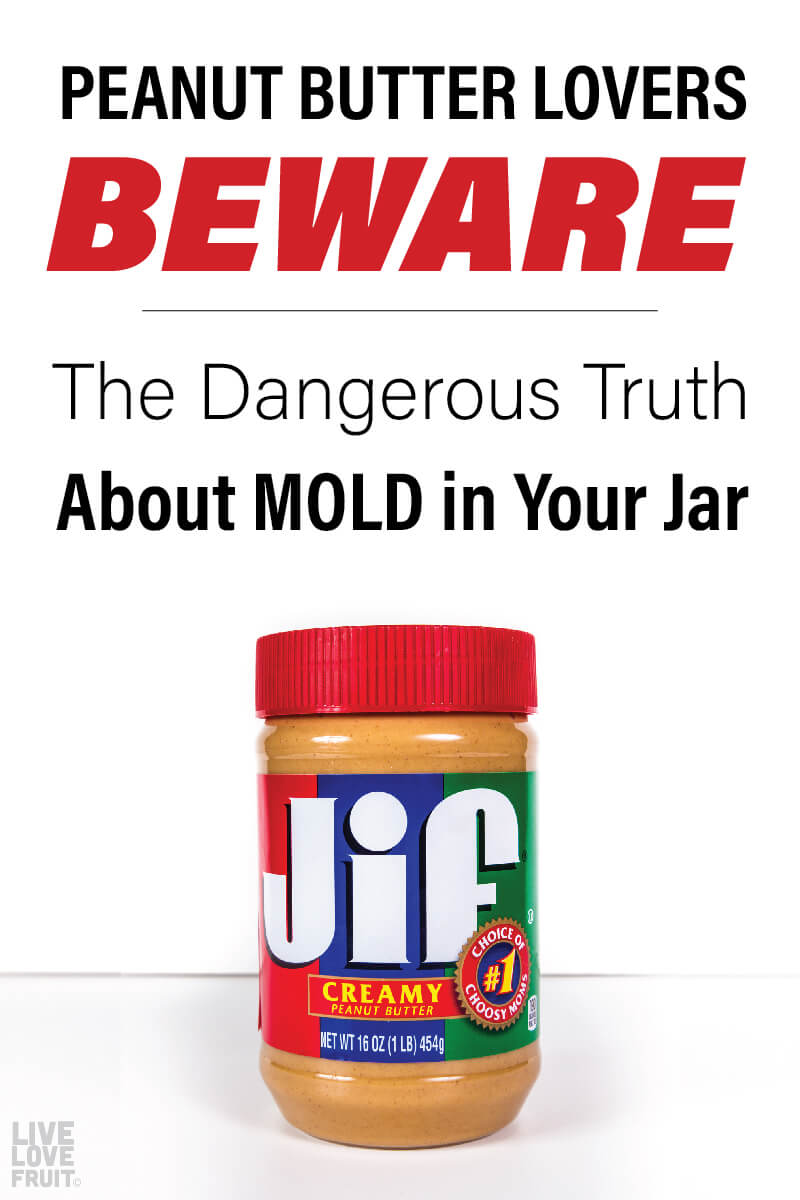
Not all peanut butter is created equal. Commercial varieties with additives, stabilizers, and excess sugar can detract from their natural benefits and may contain peanuts that haven’t been subject to rigorous mold screening. Many peanut butter brands like Jiffy put unnecessary ingredients in their butters like hydrogenated vegetable oils, refined sugar, and sometimes even high-fructose corn syrup, depending on what country you live in.
Opting for high-quality, organic peanut butter made from Valencia peanuts can help minimize these risks, as organic farming and reputable manufacturers often use better farming and storage practices to reduce contamination. Some brands also conduct tests to ensure aflatoxin levels remain below safety thresholds.
Peanut Butter Brands to Avoid
When it comes to choosing peanut butter, not all brands prioritize health in the same way. Some products can contain added sugars, hydrogenated oils, and artificial flavors that detract from the natural goodness of peanuts. Here are some key factors to consider and brands to avoid:
- Added Sugars: Many commercial peanut butter brands load their products with sugars to enhance flavor. Ingredients like high fructose corn syrup and cane sugar can turn a healthy snack into an unhealthy choice. Look for brands that list only peanuts (and perhaps salt) in the ingredients.
- Hydrogenated Oils: To achieve that creamy texture and prevent separation, some manufacturers add hydrogenated oils, which are a source of unhealthy trans fats. These can contribute to heart disease and other health issues. Peanut butter that is labeled “natural” or “organic” typically avoids these additives, but you always need to check the ingredients.
- Artificial Ingredients: Some brands may include artificial flavors or preservatives. Opt for products that keep the ingredient list short and recognizable.
Peanut Butter Brands to Be Cautious Of:
- Skippy: Their products often include ingredients like hydrogenated oils, mono- and diglycerides, corn syrup solids, and sugar. The reduced-fat options may seem healthier, but they’re packed with extra carbs to compensate for the lower fat content. While the total fat is reduced, the added carbs can lead to blood sugar spikes and potentially contribute to weight gain—an unintended tradeoff for those aiming for a healthier option.
- Jif: Jif, one of the most popular peanut butter brands, contains an unusually high number of additives, including hydrogenated oils (canola and soybean – yuck!), mono- and diglycerides, molasses, and corn syrup solids. In its reduced-fat spread, Jif adds even more sugar, along with hydrogenated oils and vitamins and minerals. While this may look like an attempt to improve nutritional value, the presence of these processed ingredients still raises health concerns.
- Smuckers Reduced Fat Peanut Butter: This “reduced-fat” peanut butter isn’t as healthy as it sounds. It includes maltodextrin, a processed sugar substitute often derived from GMO corn that can spike blood sugar. The Smucker’s Natural Creamy Peanut Butter is just peanuts and salt and is the better option, but it is not organic, and not made of lower-mold Valencia peanuts.
- Peter Pan: This peanut butter packs more calories than most, largely because of the added sugars and hydrogenated oils it contains. These additives increase the calorie count and boost saturated fats, making it a less-than-ideal choice for anyone focused on wholesome ingredients and heart health.
- Store Brands: Many store-brand peanut butters also add sugars and hydrogenated oils, so it’s essential to read the labels carefully.
Instead, seek out brands that emphasize quality and ingredient transparency. Below, I’ll highlight some of the top peanut butter options that meet these criteria.
The Best Natural Peanut Butter Brands
The best natural peanut butter brands are those that focus on the best peanut varieties and cleanest ingredients. If I were to include peanut butter in my diet, I’d opt for natural and organic choices like the following brands:
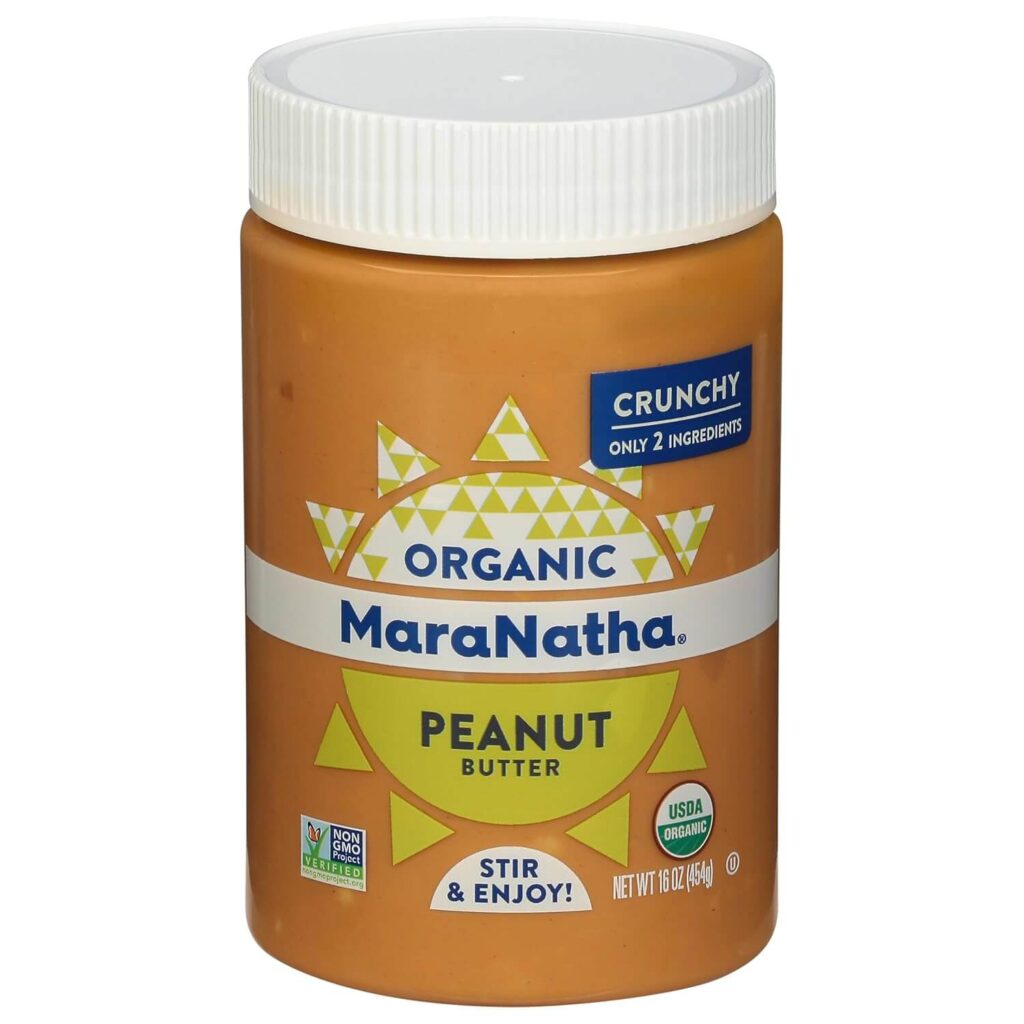
Maranatha Organic Peanut Butter
MaraNatha puts safety first, using advanced sorting, storage, and climate-control protocols to keep aflatoxin levels exceptionally low, resulting in a virtually aflatoxin-free product. Their organic peanut butter also benefits from cleaner processing methods, which enhances both quality and flavor.
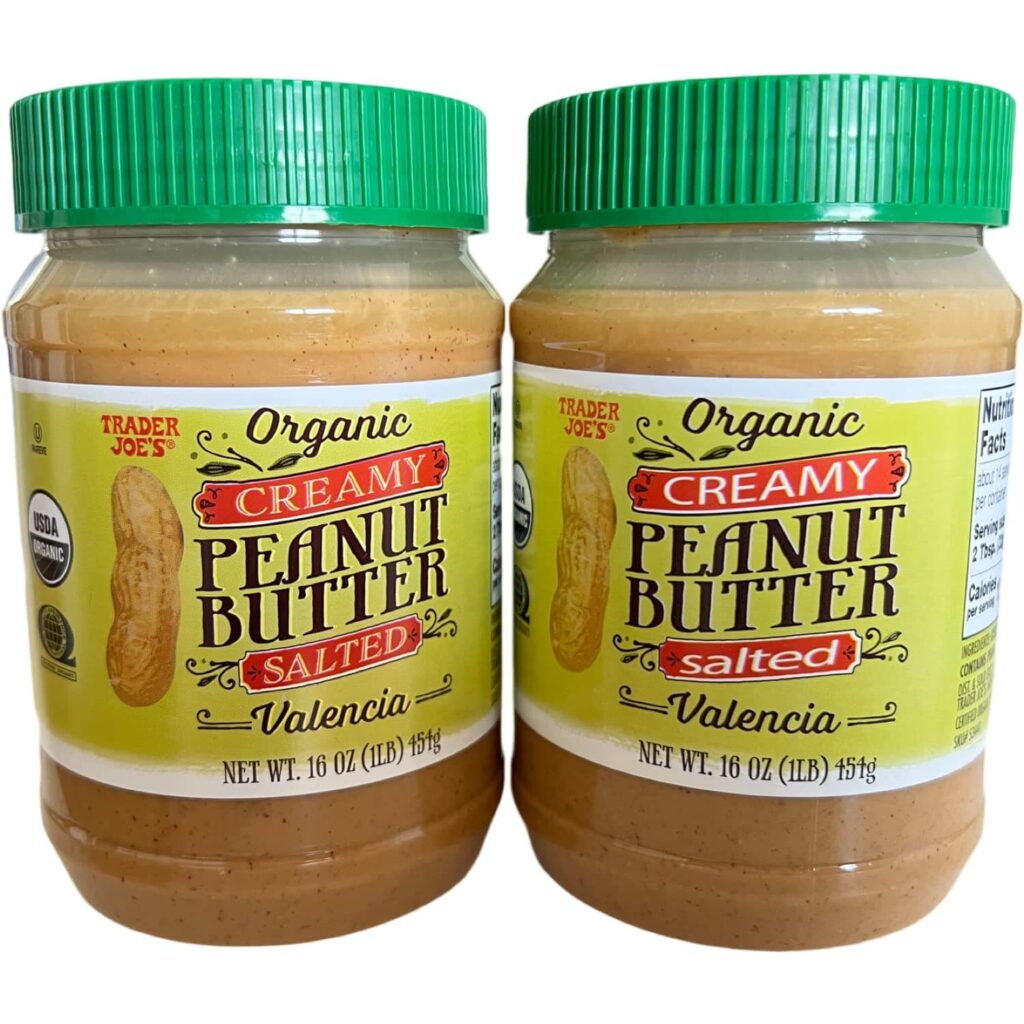
Trader Joe’s Organic Peanut Butter Creamy Salted Valencia
Trader Joe’s Organic Creamy Salted Peanut Butter keeps it simple, with only organic Valencia peanuts and sea salt. These naturally sweet peanuts offer pure, wholesome flavor—no extra oils or sugars, just the goodness you can trust.
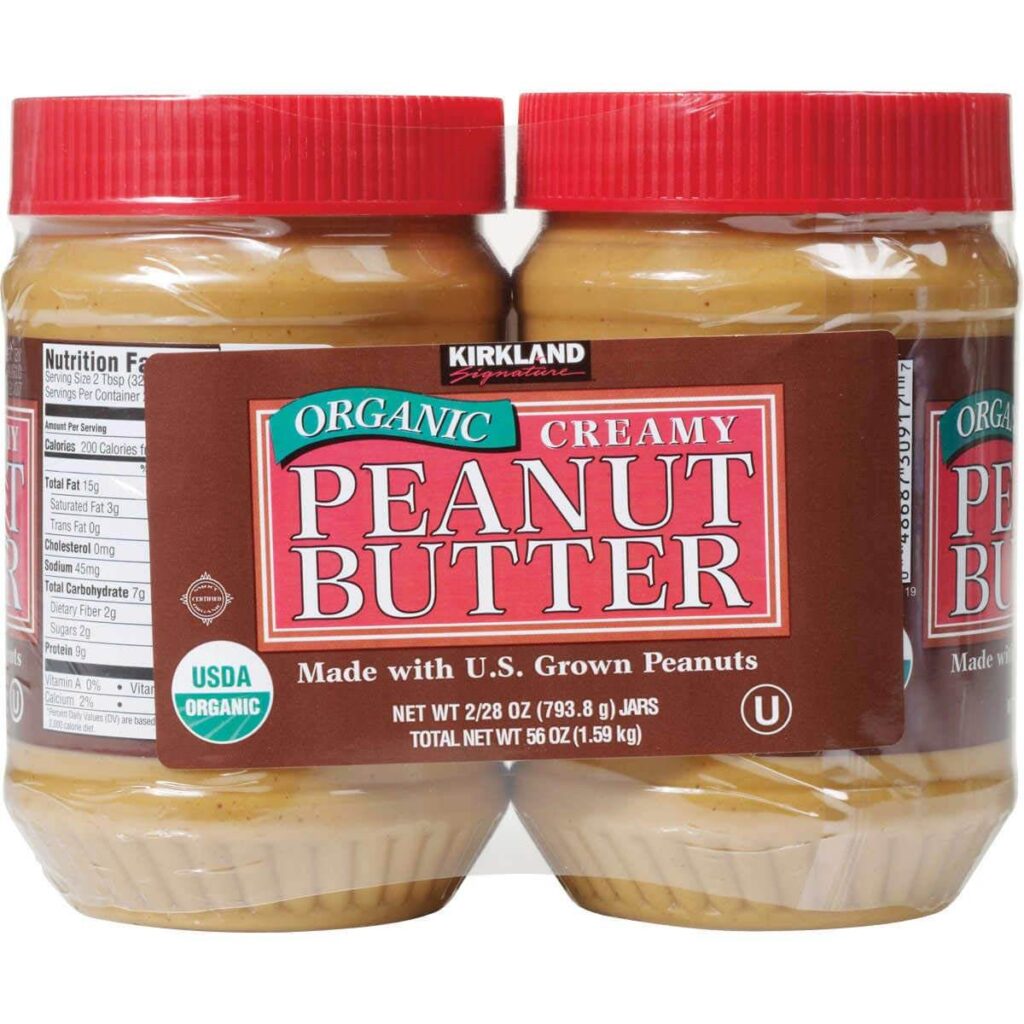
Kirkland Organic Creamy Peanut Butter
Kirkland’s Organic Creamy Peanut Butter uses only U.S. Valencia peanuts, which are naturally lower in mold. This butter is dry-roasted and lightly seasoned with sea salt to deliver a clean, rich flavor without any added oils or sugars.
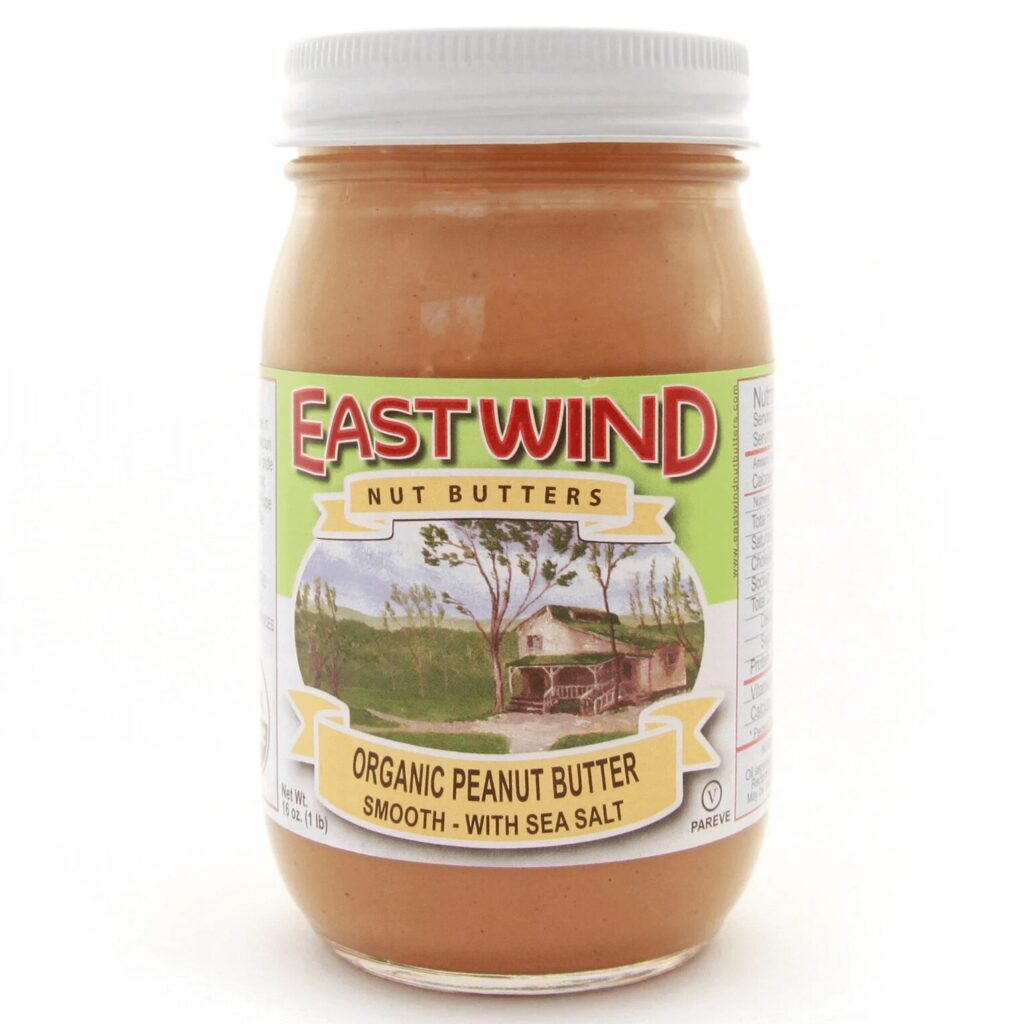
East Wind Organic Peanut Butter
EWNB’s Organic Valencia Peanut Butter is crafted from 100% U.S.-grown organic Valencia peanuts, which are dry roasted and milled after blanching. Available in both salted and unsalted varieties, it allows you to choose the option that best suits your taste.
Health Benefits of Natural Peanut Butter
Natural peanut butter, when made from just peanuts and perhaps a touch of salt, offers a nutrient-dense source of healthy fats, protein, and fiber. It’s packed with nutrients that support heart health, weight management, and stable blood sugar levels.
Here are five ways natural peanut butter can support your health:
1. Heart Health Ally
Natural peanut butter contains monounsaturated fats, which are beneficial for heart health. Studies have shown that these fats can help lower LDL (“bad” cholesterol) while maintaining or even increasing HDL (“good” cholesterol). A study published in the Nutrients demonstrated that diets high in monounsaturated fats reduced cardiovascular risks by improving blood lipid profiles (6✓)✓ Trusted ResourcePubMed CentralHighly respected database from the National Institutes of HealthRead source. Additionally, peanuts contain resveratrol, a plant compound linked to anti-inflammatory benefits that support healthy blood vessels.
2. Promotes Satiety and Can Aid in Weight Management
Natural peanut butter is incredibly filling. Its combination of protein, fiber, and healthy fats slows digestion, making you feel satisfied for longer. A study reported by Loma Linda University found that including nuts in a diet can help with weight maintenance due to their high protein and fiber content, which boosts satiety and helps prevent over-eating (7✓)✓ Trusted ResourcePubMed CentralHighly respected database from the National Institutes of HealthRead source.
3. Supports Blood Sugar Control
Peanut butter has a low glycemic index, meaning it won’t cause rapid spikes in blood sugar. The fats, fiber, and protein content all contribute to slow, steady glucose absorption, which is especially important for individuals managing diabetes or insulin resistance. For example, research published in Current Developments in Nutrition showed that incorporating peanut butter in high-glycemic meals helps to stabilize blood glucose spikes (8✓)✓ Trusted ResourceScience DirectElsevier's premier platform of peer-reviewed scholarly literatureRead source. This effect is thought to be due to peanut butter’s combination of protein, fiber, and healthy fats, which slows down carbohydrate absorption, thus preventing sudden rises in blood sugar.
4. Boosts Brain Health
Peanut butter contains several brain-supporting nutrients, including vitamin E, niacin, and magnesium. Vitamin E acts as an antioxidant, protecting brain cells from oxidative stress—a key factor in cognitive aging. Studies, such as one published in Frontiers in Nutrition, highlight how vitamin E-rich diets are associated with a reduced risk of cognitive decline and dementia (9✓)✓ Trusted ResourceFrontiersWidely respected publisher of peer-reviewed scientific researchRead source. Niacin further contributes to nerve health and overall brain function, making peanut butter a beneficial food for mental clarity and focus.
5. Supports Bone Health
Peanut butter is a good source of magnesium and phosphorus, minerals that are essential for bone strength. Magnesium, in particular, plays a role in over 300 biochemical reactions, including those that support healthy bones and muscles. A study published in Biometals indicated that adequate magnesium intake is associated with better bone density and reduced fracture risk (10✓)✓ Trusted ResourcePubMed CentralHighly respected database from the National Institutes of HealthRead source, underscoring the importance of magnesium-rich foods like peanut butter.
The Bottom Line
Peanut butter, especially when it’s all-natural, can be a nutritious addition to your diet. With high-quality brands and moderation, you can enjoy its benefits without the additives that accompany many commercial brands. To maximize benefits, opt for brands with no added sugars or hydrogenated oils, and remember that a balanced diet filled with whole foods remains the best approach for optimal health.


Leave a Reply