
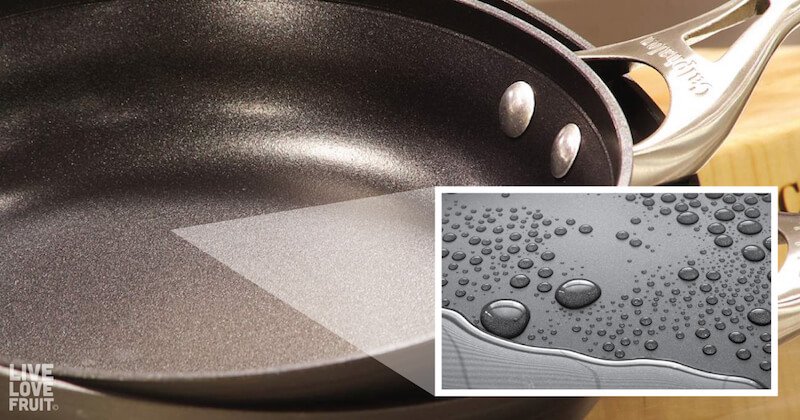
Non-stick pans have gained huge popularity in the last decade. They’re easy to use and convenient to clean. But what many don’t know is that these pieces of toxic cookware come with an unfortunate danger – chemicals that cause various health issues.
We all try to make the right choices when it comes to food. Whether that is vegan, organic, or gluten-free, if you’re not cooking on the right cookware, you could be sabotaging your whole plan to eat healthy in the first place.
Luckily, replacing these products isn’t too hard, you just have to invest in a brand that takes caution in ensuring their cookware isn’t toxic.
What is Nonstick Cookware?
Nonstick cookware refers to pots, pans, and other kitchen tools coated with a special material designed to prevent food from sticking during cooking. The most common type of nonstick coating is made from a substance called PTFE (polytetrafluoroethylene), which is best known by the brand name Teflon. These coatings are popular because they make cooking and cleaning easier—food slides off effortlessly, and you need less oil, which can be a healthier cooking option.
However, it’s not just PTFE that’s used for nonstick surfaces. Some cookware is coated with ceramic, silicone, or enamel, offering a nonstick experience without the potential dangers of PTFE-based coatings. While these alternatives are marketed as being safer, concerns still exist about their long-term durability and potential health risks when damaged.
Despite their convenience, the risks associated with nonstick cookware—especially the traditional Teflon variety—are becoming more evident. Over time, the coating can wear down or become scratched, which may cause harmful chemicals to leach into your food, posing health threats.
The Issue with Scratched or Damaged Nonstick Cookware
Nonstick cookware has long been associated with toxic “forever chemicals,” but a new study now reveals just how many plastic particles can leak from a single crack in a frying pan.
These chemicals, commonly found in the coating, have been linked to serious health issues like hormone disruption and even cancer. And if your cookware gets more seriously damaged—say, the coating cracks—things get even worse. The study found that a broken nonstick surface can release over 2 million tiny nanoparticles into your food.
What’s especially scary about these particles is how easily they can be absorbed by your body. Because they’re so small, they slip right through, staying in your system for years. And the worst part? PFAS don’t break down. They’re known as “forever chemicals” because they can linger in both the environment and your body, potentially leading to long-term health problems.
The Dangers of Nonstick Cookware
Nonstick cookware is a popular choice for many due to its easy food release and low-fat cooking benefits. However, not all nonstick pans are created equal, and when sourced improperly, they can pose significant health risks.
While some nonstick coatings are safe, others can leach harmful chemicals into your food if they break down or get scratched.
Here are four dangerous types of nonstick cookware that could be harmful to your health:
1. Ceramic-Coated Cookware
Ceramic-coated pots, pans and cutlery may look nice, but they aren’t so nice when it comes to leeching harmful chemicals. They’re manufactured from various metals that are coated with a synthetic polymer, which is softer than metal (1). This means that there is some sort of metal (usually hard anodized aluminum) that has been coated with a layer of ceramic. Keep in mind that this is different from 100% ceramic cookware, which is completely safe and will be mentioned under “safe alternatives” below.
While ceramic coats are perfluorooctanoic acid (PFOA) and polytetrafluoroethylene (PTFE)-free, some products may contain lead or cadmium. This is mostly true for products that come from Latin America and Asia, as there are stricter requirements by the FDA in the United States, which require ceramic products to be free of lead or cadmium (2).
Unfortunately, ceramic coats don’t last that long (about one year), and once the coating chips (after high temperatures and mishandling), the glaze will often chip. If your ceramic-coated cookware does indeed contain lead and cadmium, this will cause the heavy metals to leach into your food.
Lead is extremely toxic, and can lead to symptoms like hearing loss, vomiting, seizures, constipation, abdominal pain, sluggishness and fatigue (3). Not to mention, if the chip goes as far as the aluminum underneath the ceramic coating, then you have the possibility of aluminum particles entering your body (which, as we all know, is highly linked to neurological conditions like Alzheimer’s disease (4)).
If you must purchase ceramic-coated cookware, be sure to look at companies that are based in the USA, or companies that use 100% ceramic to reduce aluminum exposure. I’ll list these companies below.
2. Non-Stick Cookware (Teflon)
Non-stick pans have gained major popularity in the homes of millions. They’re convenient and easy to clean, and reduce the hassle of any food particles sticking to the bottom of the pan. While these pans are loved by those with little time to deal with the fuss ruining, say, the perfect pancake, they also come with the danger of toxic chemicals leaching into your food.
Non-stick cookware is manufactured with a synthetic coating of PTFE (mentioned above), a plastic polymer that releases toxins if heated above 450 degrees Fahrenheit. This synthetic polymer, also known as Teflon (a DuPont brand trademark), has been linked to cancer and reproductive problems (5).
To put this to the test, the Environmental Working Group (EWG) discovered that it only took about 5 minutes for a Teflon-coated pan to reach 721ºF on a conventional, electric stove top. This test showed that the cookware exceeded the temperatures deemed “safe” by DuPont themselves (about 660ºF). EWG found that Teflon-coated pans essentially turned toxic through the simple act of preheating a pan, on a burner set on high. At 680ºF, Teflon pans released at least six toxic gases, including two carcinogens, two global pollutants, and MFA, a chemical lethal to humans at low doses (6).
Inhalation of the toxic fumes released by Teflon cookware can cause polymer fume fever, which causes chills, fevers, chest tightness, and mild cough. These fumes are even lethal to birds, kill millions of pets every year (7).
There are pretty good alternatives to non-stick cookware, and I’ll list those below. Many green companies have come out with a Teflon alternative that is generally pretty safe, and a much better alternative to the toxic cookware that DuPont creates.
3. Aluminum Cookware
Cooking with aluminum or aluminum foil is also pretty dangerous, given the dangers of aluminum itself. There’s been quite a bit of research linking elevated aluminum levels to central nervous system problems. One 2013 study in Immunologic Research linked aluminum to Alzheimer’s, ALS, and autism spectrum disorders (8).
While aluminum cookware is often coated to prevent leaching, the coating does tend to chip and deteriorate, just like ceramic materials. Instead of utilizing aluminum cookware and aluminum foil, invest your money in a greener option – there’s lots of them!
4. Copper Cookware
Copper cookware, while beautiful, is also quite toxic. The popularity of copper is mainly thanks to the material’s conductive properties that enable even and quick heating.
Uncoated copper has the ability to quickly leach into your food, especially when heated. Even copper cookware that is coated, often contains nickel, an extremely toxic and highly allergenic compound. Too much copper in the diet suppresses zinc levels, which is necessary for proper immune function. Lowered zinc levels are also linked to malfunctioning of the adrenals and thyroid gland.
There are a lot better alternatives when it comes to copper. If you require consistent and fast heating, there are other safer alternatives out there that don’t come with the dangers of any leaching metals or other compounds.
Safe Cookware Alternatives
When buying pots and pans, always choose items made from safe, non-toxic materials like carbon steel, lava rock, porcelain enamel, or tempered glass.
Here are just a few options for those looking for safer alternatives to toxic cookware.
1. Cast Iron
Cast iron pans are generally safe, given you’re not simmering food in them for long periods of time. There are enamelled cast-iron pans and bare cast iron pans. Enamelled pans offer the same non-stick benefits of Teflon, without the toxic fumes, and require little maintenance.
Bare cast iron pans, on the other hand, heat more evenly, but also leach small levels of iron into your food when cooking with acidic ingredients (like tomatoes). If you’re a vegan, or someone who is anemic or suffering from an iron deficiency, this is a great option. Too much iron, however, is not good for your health, so always err on the side of caution with this cookware type.
2. Stainless Steel
Stainless steel is another great option for cooking with, as products made from it are non-stick, and relatively light. They are also resistant to chipping and scratching. Just beware that stainless steel does have the possibility of leaching small amounts of nickel into your food. While this isn’t a real major concern, if you plan on using stainless-steel for hour-long simmers, opt for glass or another alternative mentioned below.
3. Glass
Glass is one of my favourite options for cookware. The material is inert, and doesn’t deteriorate or release toxins into your food. It is a little harder to use glass as a pan for frying food items (I’ve tried with pancakes and it kind of failed), it is an excellent option for those who use pots on a day-to-day basis.
4. 100% Ceramic Cookware
100% ceramic cookware, like those manufactured by the company Xtrema, are made purely with a clay formula that is 100% natural. This means that it is free of ANY metals and/or chemicals, and is made without PTFE and PFOA. Also, since there is no “coating” other than a natural ceramic glaze, there is no risk of anything flaking or peeling off into food.
I would say that Xtrema produces some of the safest cookware available on the market, especially when it comes to non-stick products.
5. Non-Toxic Non-Stick Coatings
There are a few companies out there that use safer non-stick coatings like Thermolon by GreenLife and GreenPan. Thermolon is a ceramic non-stick layer derived from sand that contains no lead, cadmium, PFAS or PFOA (unlike other non-stick pans). It is heat resistant up to 450ºC, meaning it won’t blister or release toxic fumes when over-heated.
Other safe ceramic-coated cookware that doesn’t contain these harmful elements are Ozeri, Healthy Legend Cookware and Josef Strauss Cookware.
While I did mention above that ceramic-coated cookware is dangerous, this is typically only from companies that reside in Asia or Latin America, who have less strict requirements than the United States. GreenLife and GreenPan ensure that their ceramic non-stick coating doesn’t contain any of the harmful elements (like lead and cadmium) that could potentially leach into food when chipped.
Always avoid pots and pans that leach and break down easily. If your cookware looks like it has a few battle wounds, always get it replaced. Do you use any natural cookware that you’re proud to say you love? Let me know in the comments below!






Hi Carly
Also looking to replace russell Hobbs slow cooker with the original Crockpot hoping it is a safer product…
I haven’t looked into crockpots as I do not use them. Try to find something without non-stick coating.
Hi Carly
I am also looking to replace russell hobbs slow cooker with the original Crockpot hoping this is a safer option?